Commercial Roofing in 5400 South Corridor, West Valley City, UT

Plan commercial roof work along 5400 South in West Valley City with drainage checks, access windows, and repair limits tied to the roof itself.

Set the 5400 South roof review

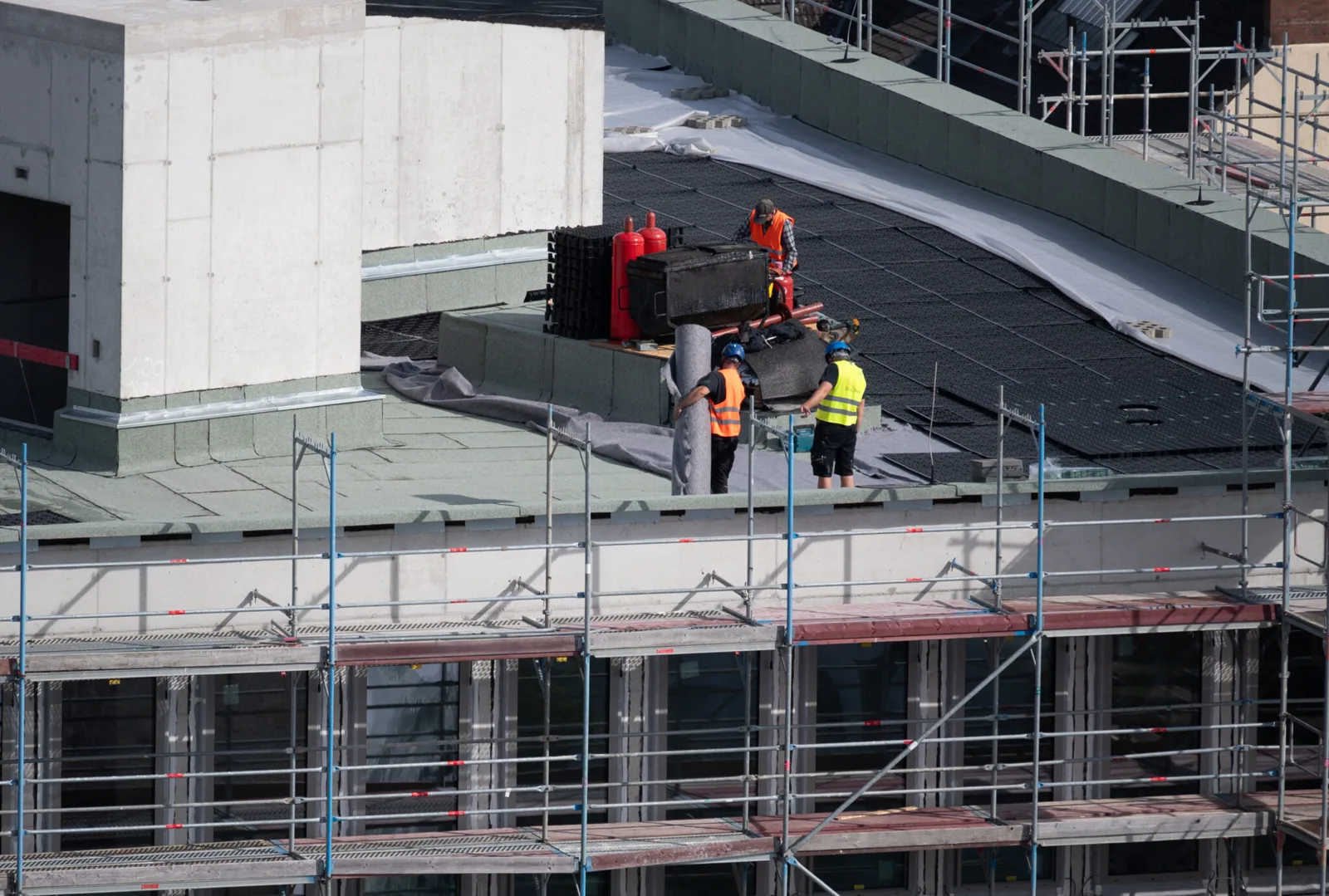
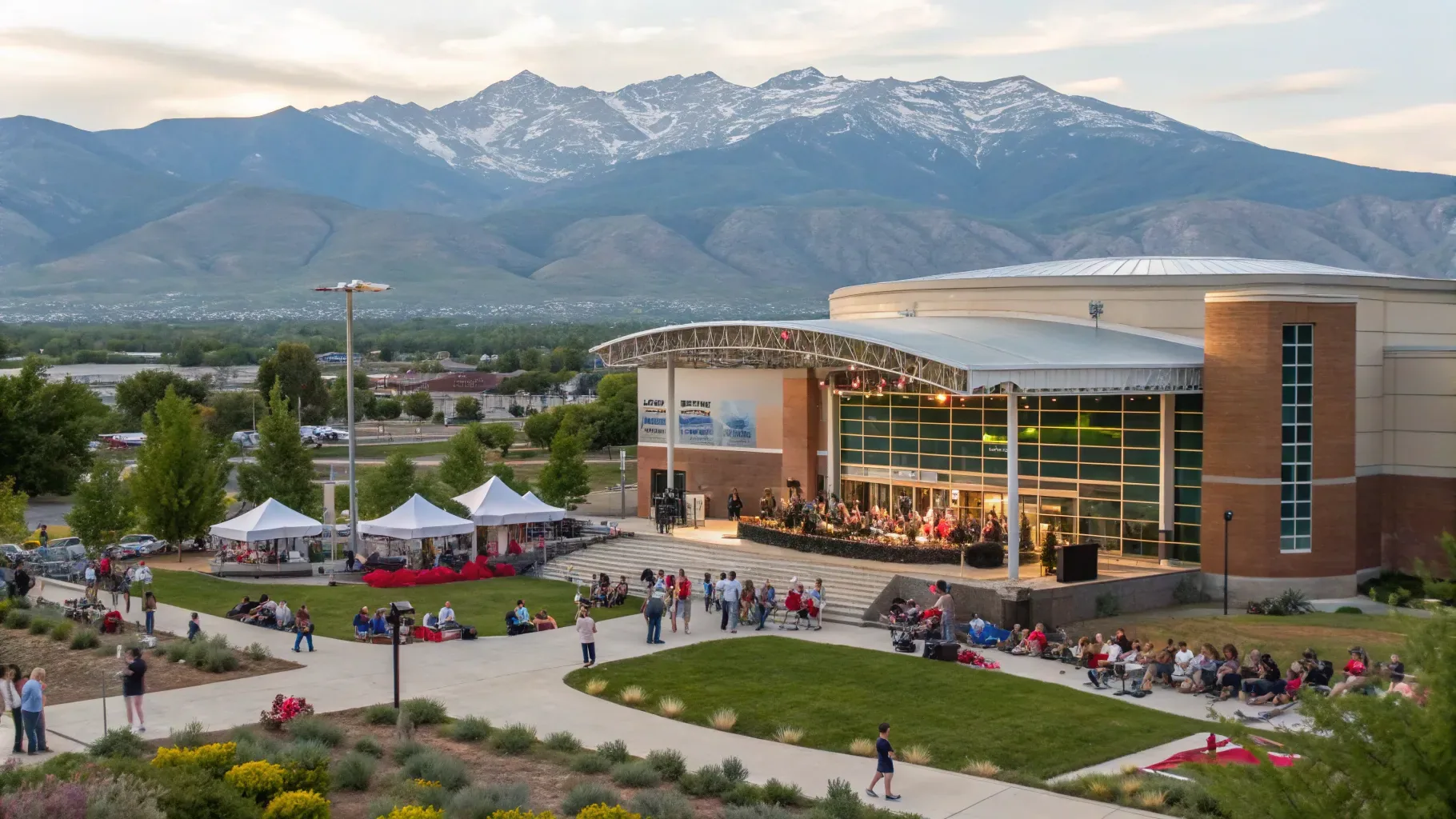
A parapet termination may fail behind the visible edge, so we inspect its fasteners and support before setting the repair limit. We check the metal, fasteners, flashing, and substrate before setting the cut line. In West Valley City, UT, 5400 South carries major arterial traffic. Selected locations along it are designated for general commercial or medium-density residential use. That mix makes current occupancy and delivery paths worth confirming before we set a lift or work window.

Traffic and property use can affect lift placement, deliveries, and the hours available for noisy work. We confirm the actual gate, staging area, and path to the roof before pricing those needs. A commercial roof inspection records seams, drains, curbs, and edge details so the owner can compare a local repair with a larger scope. Each building receives its own roof map and repair boundary.
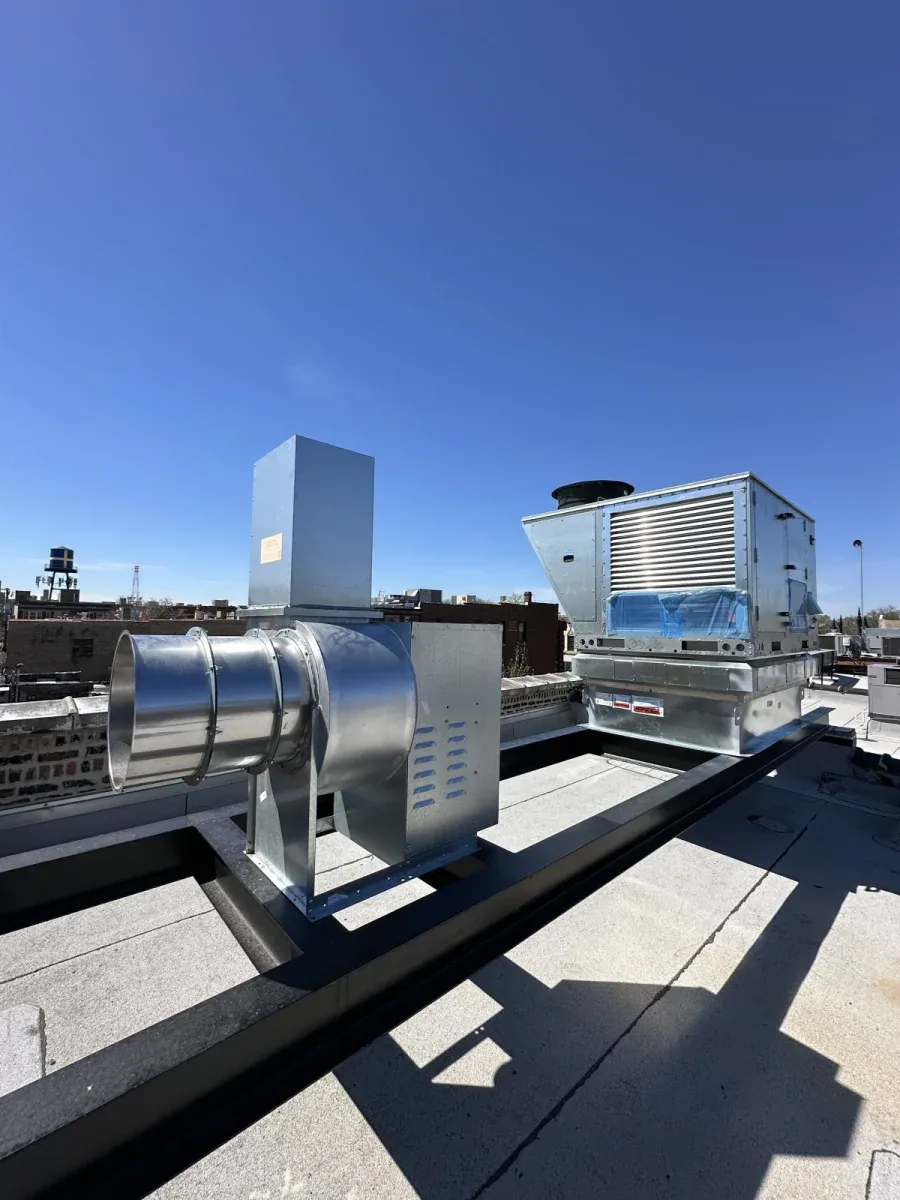
A ceiling stain points to a place to investigate, not a roof cut line. We compare it with the nearest lap, penetration, drain, and low point. If the membrane moves underfoot or insulation feels soft, we consider a test cut. The opening shows whether moisture is local or has traveled below the surface. We photograph the layers and mark the nearest sound substrate before recommending removal.

At selected 5400 South locations, commercial and residential designations meet, so we confirm current occupancy and roof assembly during the site walk. A low-slope membrane may need seam and drain work; a metal roof calls for checks at fasteners, panel ends, and transitions.

At a roof transition, we check whether the older and newer fields meet at a raised curb, a change in deck, or a simple lap. Each joint needs a compatible detail and room for movement. We photograph the connection before covering it. A repair that bridges loose material can hide the same opening instead of closing it. The owner sees the distinction between a sound tie-in and a detail that needs removal.

5400 South Corridor

Trace water through the roof

5400 South Corridor

A drain bowl can pass surface water while its membrane connection remains open. We inspect the strainer, clamping ring, bowl, overflow, and the insulation around the opening. A blocked outlet and a failed flashing detail call for different work. We keep those findings separate in the scope. If a test cut shows saturated board beyond the bowl, the repair boundary moves only as far as the wet material reaches.

The Southwest Opportunity Area has Mountain View Corridor access at 5400 South and 6200 South. The property contact confirms the delivery gate and loading rules before equipment is scheduled. A drain and scupper repair can address an outlet and its roof connection. Where several roof zones share drainage, a southwest corridor roof review should still map each building separately.

Snow and freeze-thaw exposure deserve a closer look at low points and metal edges. Salt Lake City International Airport station normals for 1991 to 2020 show 51.9 inches of snowfall per year, with a January mean of 12.70 inches. We check drains, overflow paths, and flashing on the roof before setting a repair scope.

Price the repair boundary

Cost changes when work crosses from a surface patch into wet insulation, deck repair, or a perimeter rebuild. We list each confirmed item by roof zone. A test cut or concealed deck condition stays outside the base price until inspection confirms the extent. The estimate also separates disposal, lift reach, material handling, and protection of occupied areas. That gives the owner a clear approval point before the opening gets wider.

On a selected commercial or residential parcel, the roofing scope follows the building use and actual assembly, not the map color. We identify whether a coating, recover, or tear-off is viable only after checking attachment and moisture. A commercial replacement plan can compare tear-off and deck review with a localized repair. For sound, dry areas, a compatible roof recover option may reduce disruption, subject to existing layers and drainage height.

Before approving coating, we check adhesion, surface preparation, seams, and whether trapped moisture would remain under the new layer. A coating can renew a suitable surface, but it does not correct wet insulation or failed drainage. We identify repairs that must happen first and list the measured area separately. That sequence helps compare restoration with recover or tear-off without pricing a roof condition that has not been opened.

5400 South Corridor

Set the opening and dry-in limit

A repair schedule needs a daily boundary that the crew can close before leaving the roof. We confirm the access window, weather, delivery route, equipment shutdowns, and any tenant or customer path below. The plan identifies what stays open, what receives a temporary barrier, and where the dry-in line ends each shift. If the roof exposes unexpected wet material, work pauses at that hold point while the owner reviews the added scope.

West Valley City's arterial network matters to work logistics, but truck access into a specific property remains a field question. We verify turning room, lift position, and material staging before mobilization. An occupied-building reroof plan can phase work to keep entrances and interior operations usable. If severe leakage appears outside normal hours, emergency roof response is available any time, including nights, weekends, and holidays.

Leave a usable roof record

Closeout should show more than a completed line item. We record the repaired seam, replaced insulation, drain detail, or edge metal, then attach photos to the roof zone. The report notes the test-cut location, whether the substrate was dry, and what remains outside the approved scope. That record helps the next facilities review start with the last confirmed condition instead of treating an old stain as a new roof diagnosis.

For deliveries using 5400 South or 6200 South, we confirm the route to Mountain View Corridor access with the property contact before material arrives. We keep each building's access notes and roof findings together in its repair record. We can also store follow-up items in a roof condition report for later budget review. The next visit begins with that building’s address, roof zone, and recorded repair boundary.

Common questions

Does the 5400 South land-use designation identify my roof type?

No. It describes planned use for a selected area, not the assembly or condition of a particular property. We inspect the roof to identify membrane, metal, insulation, drains, and edge details. The field findings set the repair boundary and material choice.

How do you keep a small leak from turning into an open-ended scope?

We mark the initial repair zone, then test concealed layers only where surface checks leave a real question. Photos show what the opening reveals. If wet insulation or damaged deck extends beyond the approved limit, we secure the dry-in and request direction before proceeding.

Can corridor traffic change the roof repair schedule?

It can change when a truck or lift can enter a property, but the site controls the final route and work window. We confirm gate rules, turning space, loading activity, and tenant access with the property contact. Those limits go into the sequence before materials arrive.

What should a closeout record include after drain work?

The record should identify the outlet, bowl connection, nearby membrane, and any insulation replaced. We add photos and note whether the overflow path was clear during inspection. The record also lists unresolved conditions so maintenance staff know what remains outside the completed repair.

When is replacement worth comparing with a local repair?

Repeated wet areas, loose attachment, or widespread seam separation can shift the economics toward a broader scope. We map the confirmed failures and compare tear-off, deck review, access, and dry-in needs with a local repair. A dry, bonded roof area can remain outside replacement when the evidence supports it.

Set the 5400 South roof review

ServicesRoof SystemsIndustriesProperty TypesService AreasDamage RepairCapabilitiesManufacturersContactAboutRequest a Roof Assessment555-555-5555
Call555-555-5555