Flex Industrial Roofing in West Valley City, UT

Inspect and repair flex-industrial roofs in West Valley City with building-by-building scopes for changing uses, equipment, drainage, and tenant access.

Map the flex-industrial roof by section

A split seam above one tenant bay can send water into an office while the adjoining shop stays dry. We inspect the roof section over the report, map transitions and equipment, and identify where a test cut could change the repair limit. The city’s business-park definition covers office and light-industry uses alongside research and support functions. A flex property can join several functions, so each roof zone and access route needs to be checked on its own.

Tenant improvements can add curbs, exhausts, or penetrations without changing the rest of the assembly. We compare visible details with available plans, then verify attachment, drainage, and membrane type in the field. A local repair can stay narrow when the surrounding material is sound. Wet insulation, recurring failures, or unclear layer buildup may require a broader investigation. The scope separates confirmed work from concealed quantities until a test or opening provides evidence.
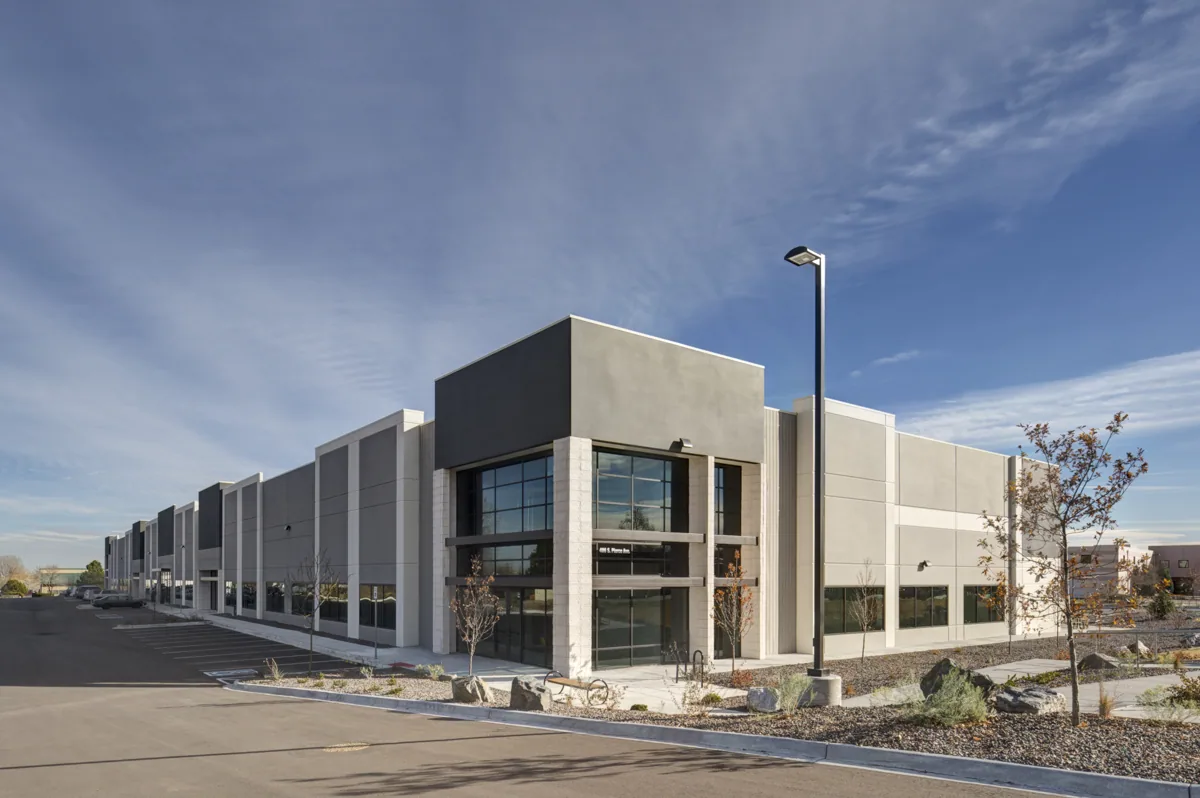
A property line between tenants rarely matches a seam or drain line on the roof. We use plans, room reports, and field measurements to locate the affected area. The map notes units, offices, shop space, and shared corridors below the roof. If a test cut is needed, the manager can coordinate access to the right bay and protect inventory or equipment without moving tenants who are outside the work zone.

A building may include separate additions or membrane systems installed at different times. We identify the transitions and do not spread a finding from one tenant area across the full roof without inspection. A roof inspection can establish a base map, while warehouse roofing may involve similar inventory and loading considerations. The record remains organized by physical roof section, not only by lease suite.

Flex Industrial Roofing

Check tenant equipment and penetrations

Flex Industrial Roofing

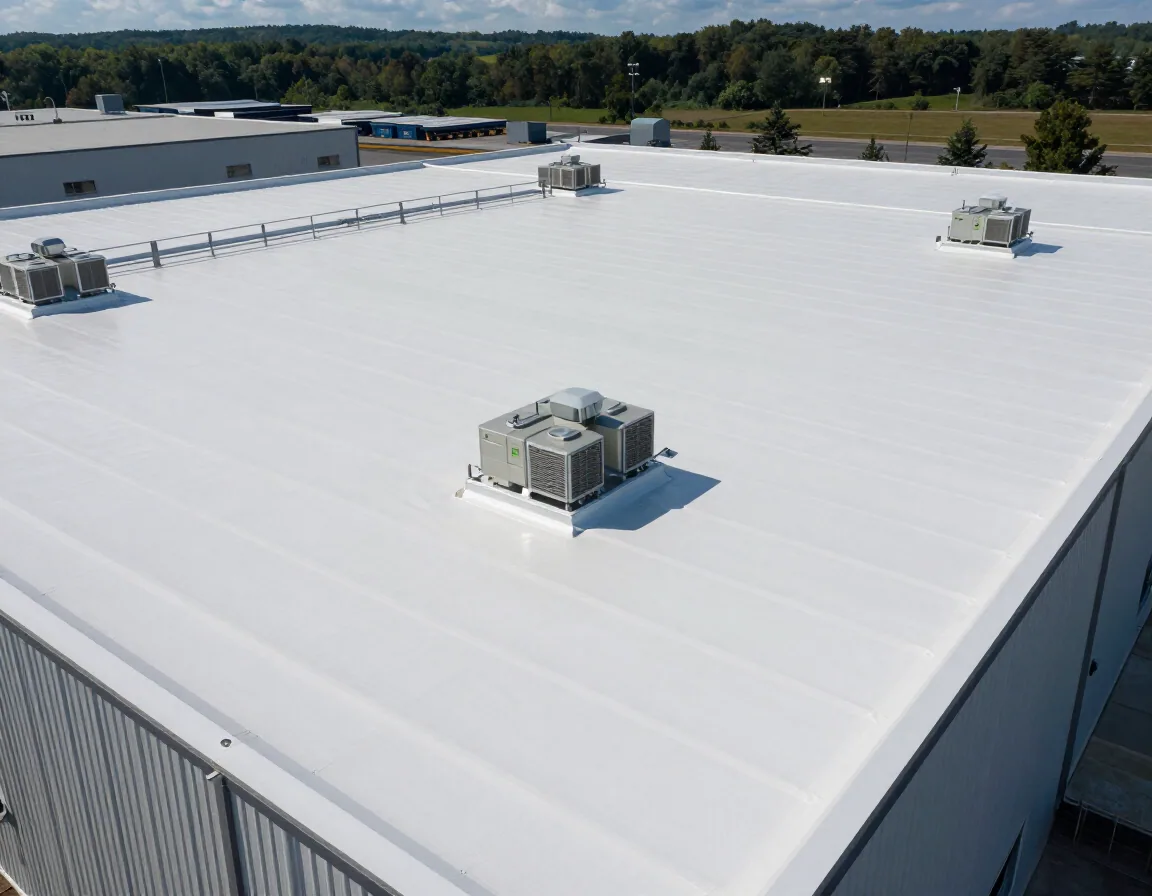
Exhaust ducts, HVAC curbs, plumbing vents, and electrical supports interrupt the membrane. We inspect the flashing base, curb height, fasteners, and nearby field seams. A later equipment change can leave a patch or penetration with different materials from the surrounding roof. We note which trade owns the unit and what must be disconnected, lifted, or protected before removing roofing material around it.

The access plan identifies tenant contacts, roof hatches, escort needs, and any equipment shutdown. We keep tools and debris clear of operating areas below and confirm how each opening will be protected overnight. A roof curb and equipment support repair can address a failed transition. For manufacturing uses, plant roof sequencing can involve production controls. The selected repair still follows the actual roof condition and the facility's approved work window.

Follow each roof zone to its outlet

Water may cross a tenant line before reaching a drain. We inspect the bowl, scupper, sump, and visible path from each low point, then check nearby seams and wall transitions. A blocked outlet is different from a settled deck or insulation that has compressed. We identify the suspected cause and show whether cleaning, drainage work, or a membrane repair changes the route.

West Valley City's plan places trucking and distribution uses along northern SR-201 and connects industrial areas with SR-201, Bangerter Highway, and I-215. The corridor context can affect deliveries to nearby properties, while roof drainage remains a site-specific check. A drain and scupper repair may be priced separately from the roof membrane. Where a bay roof has repeated wet areas, EPDM system review starts by confirming the assembly and the boundaries shown by testing.

Flex Industrial Roofing

Stage work around different tenant shifts

A shop can open early while an office tenant arrives later. We confirm lift placement, loading routes, quiet periods, and which doors must remain available. Roof removal is sequenced in sections that can be closed within the agreed shift. If one tenant needs a shutdown or interior barrier, the manager coordinates it before work reaches that area. We keep changes to the plan visible to the building contact.

The city identifies commercial transportation as an important economic activity and calls for maintaining or expanding successful employment sectors. Properties near that operating network may have vehicle routes to preserve through the work day. For a site by the North SR-201 industrial corridor, we confirm arrival, staging, and turnaround space with the site contact. A phased occupied-building reroof can set the dry-in line and daily handoff before the roof is opened.

Compare a local repair with a property-wide plan

A local patch is a reasonable starting point when the membrane holds, the substrate is dry, and the defect ends at a stable detail. Multiple roof systems, repeated seam failures, or wet cores may support a broader scope. We show the areas inspected, test points, and zones where access remains incomplete. That gives the owner a choice between a confirmed repair and additional investigation instead of a building-wide quantity built from one report.

Cost varies with system type, access, penetrations, tenant protection, and the number of roof sections involved. A replacement comparison should identify removal limits, substrate assumptions, and daily dry-in. A distribution property may need distribution center coordination for truck operations, while a dealership roof scope can involve customer paths and active service bays. Each estimate stays specific to the property inspected.

Leave one roof record across multiple suites

Closeout photos locate the completed seam, curb, drain, or edge by roof section. We record the tenant area below, any material removed, and the test results that changed the work. Exclusions are marked so a manager does not mistake an unopened bay for a confirmed sound area. The record can also show where a separate roof system begins at an addition or expansion joint.

West Valley City lists major arterials including 3500 South and 4700 South, and those streets can inform delivery planning for a property nearby. The actual site plan determines which gate and drive aisle are available. We retain the approved route, building contact, and next check with the closeout file. A roof condition record can preserve this information for future capital planning across suites or buildings.

Flex Industrial Roofing

Common questions

Can you inspect one tenant's leak without checking every roof section?

We can focus the visit on the reported bay and the adjoining details that could carry water to it. The inspection notes what was reached and what remains outside the access window. If separate roof systems or moisture paths are nearby, we explain whether another section needs its own test rather than extending one finding across the property.

What if tenants have added equipment at different times?

We identify the curb or penetration, inspect its flashing and surrounding membrane, and review available service history. The trade responsible for the equipment may need to disconnect or support it before repair. We document the transition and use materials compatible with the existing assembly instead of assuming all roof details were installed together.

Can roofing work continue while shop tenants operate?

We plan the sequence around loading, staff access, equipment shutdowns, and safe dry-in limits. Each open area is kept to the size that can be secured within the agreed shift. If a tenant route or production task conflicts with staging, we adjust the setup with the building manager before removing roofing.

How do you allocate repairs when suites share a roof?

We map the physical roof area, identify the suite or common space below, and list the finding by location. A lease line does not establish where the defect ends. The owner can use the map and photos to review work allocation, while scope decisions remain based on the roof assembly and approved responsibility.

When does flex-industrial repair turn into replacement?

Widespread moisture, loose attachment, repeated seams opening, or multiple incompatible repairs can move the comparison toward replacement. We inspect and test representative areas, then show which sections are confirmed. The estimate separates tear-off and dry-in from work still dependent on a test cut or trade access.

Map the flex-industrial roof by section

ServicesRoof SystemsIndustriesProperty TypesService AreasDamage RepairCapabilitiesManufacturersContactAboutRequest a Roof Assessment555-555-5555
Call555-555-5555