K-12 School Roofing in West Valley City, UT

Protect West Valley City school buildings with phased roof repairs, drain checks, and dry-in limits planned around classrooms and school access.

Set a school roof work plan

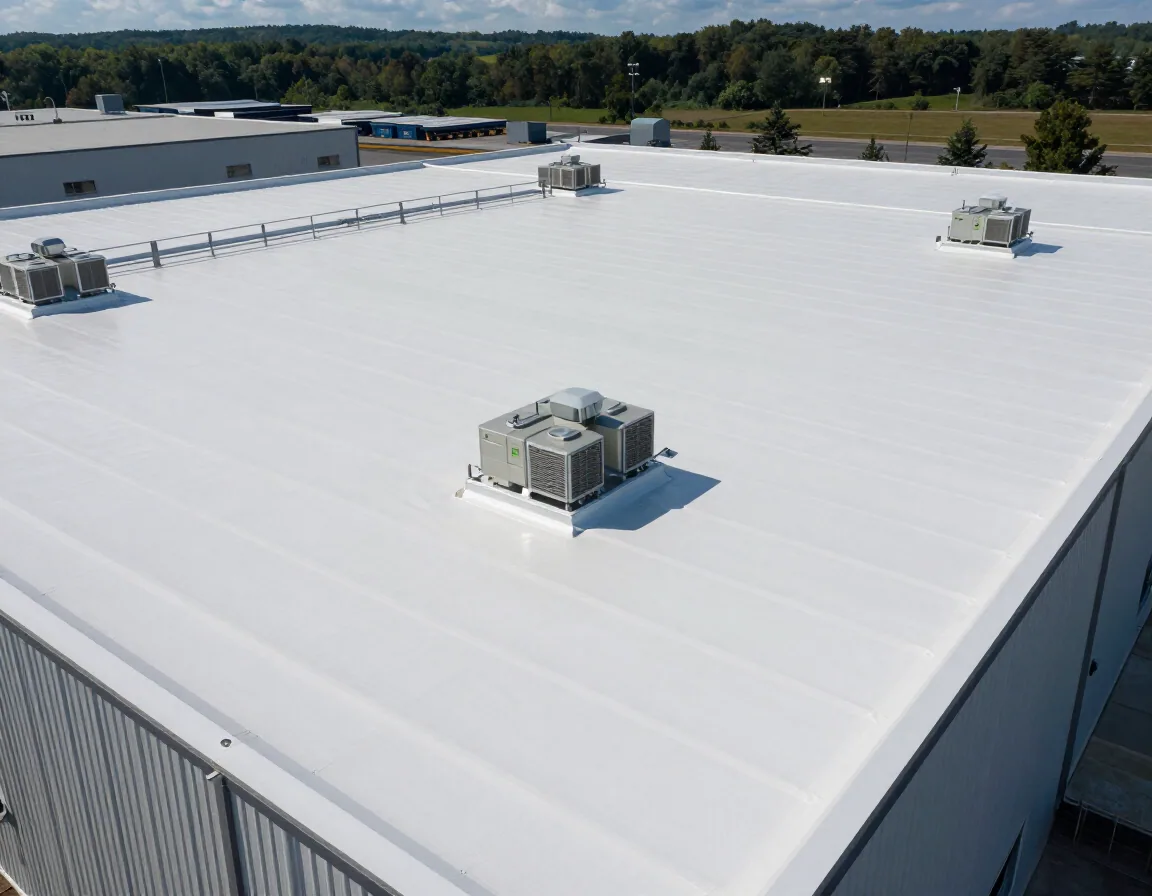
A lifted flashing at the gym wall can send water behind the roof before a ceiling stain appears. We inspect that seam, nearby drains, and the insulation below it. In West Valley City, UT, school work has to fit the hours when students, staff, and deliveries use the campus. The roof condition sets the repair boundary. The school calendar sets the access window.

A campus may have classrooms, offices, kitchens, gyms, and separate additions with different roof ages. We map each section before setting a crew sequence. Test cuts can distinguish a surface repair from wet insulation or a weak deck. Our roof inspection identifies what can stay in service and what needs a protected opening.
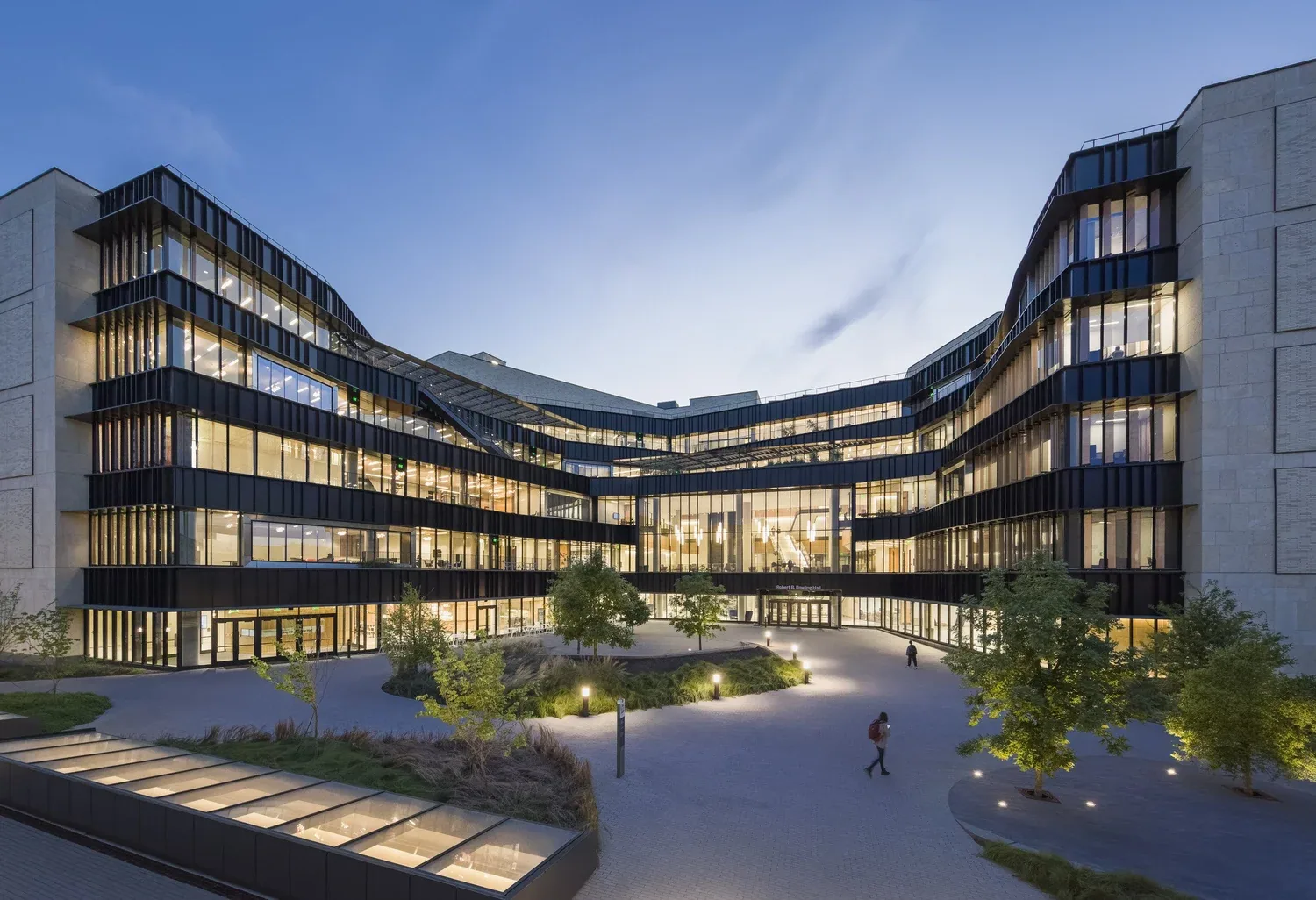
One roof plan may cover several wings, but each area needs its own condition record. We mark seams, curbs, drains, skylights, and previous repairs by location. A soft area near a classroom can require different protection than an empty mechanical room. We also check where additions meet older membrane. Those transitions often shape where the first phase can begin. We tie roof zones to room assignments before work.

School staff can identify rooms that need quiet, uninterrupted power, or a clear entrance. We include those limits with roof access and material staging. Near 3500 South, traffic and delivery timing may affect how materials reach a campus. The city lists 3500 South as a major arterial, so the site contact can set an arrival window that avoids the building's busiest periods. An administrative office roof may need separate access for maintenance. We can keep deliveries outside arrival and dismissal traffic windows.

K-12 School Roofing

Keep rooms in service

K-12 School Roofing

Classroom use continues below the active roof area. We identify sensitive rooms, ceiling equipment, and paths that cannot take debris or water. Before removal, the crew protects interior assets and confirms where the day's dry-in will stop. If a test cut reveals more damage, we secure the opening and review the change with the owner before extending the work.

Some roof sections can be repaired without closing a whole building. Others need a short shutdown for an exhaust fan, rooftop unit, or kitchen connection. We coordinate with the school facility lead and the trade that controls the equipment. A phased occupied-building plan can show the sequence, work limits, and restart checks before the first crew arrives.

Keep drains clear during each phase

Leaves, packaging, and loose insulation can block a drain during construction. We inspect bowls and scuppers before each section opens, then keep a path for water as the roof changes. A low point may need correction before new material covers it. We record ponding and check the slope around the drain instead of relying on a fresh membrane to solve a settled area.

At a school, rain protection also means keeping roof openings away from vulnerable interior areas. Temporary cover needs secure edges and a clear path to the drain. We check overflow paths before covering the drainage field. We plan the day's work so the crew can close every exposed seam. If an unexpected repair takes longer, the work stops inside a safe limit. A drain and scupper repair can be scoped with the surrounding membrane work.

K-12 School Roofing

Match the repair to the roof

Different school wings may have different membranes and details. We identify the existing material before choosing a patch, coating, recover, or replacement. The repair has to bond to the substrate and tie into the existing flashing. If insulation is wet or attachment has failed across a broad area, a local patch can leave the underlying problem in place.

We price visible work separately from concealed deck or insulation repairs. That gives the school a defined scope and a clear approval point if removal reveals something different. A college and university roof plan may require separate lab, auditorium, and residence access. A TPO membrane is one possible assembly when the design and existing conditions support it. A replacement plan can also phase wings so no more roof opens than the crew can dry in.

Plan around heat and winter exposure

Hot surfaces change how adhesives and coatings handle. For the Salt Lake City International Airport station, July’s normal daily high is 94°F; August’s is 91.7°F. Before applying adhesive or coating on a school roof, we measure the surface and confirm the specified product’s temperature range.

Snow and freeze-thaw conditions put drains, edge metal, and flashing transitions back under review. The same station averages 51.9 inches of annual snowfall, including 12.70 inches in January. We inspect the actual roof for blocked drainage, loose metal, and low areas before winter work. Before material arrives, the crew marks delivery staging, debris lowering, and a protected path from the campus gate to roof access. We confirm each crossing with school staff and keep it clear for arrival and dismissal. Each phase should end with a clear access route.

Record the work by building area

Closeout should show which wing was repaired, what material went in, and where concealed conditions changed the scope. We provide photos of seams, drains, curbs, and terminations before access equipment leaves. The school can use that record to plan future maintenance without treating every roof as one assembly. A roof condition report can keep those observations tied to a building plan.

West Valley City's public-serving places include civic and shared uses at Fairbourne Station. West Valley City’s Green Line, UTA Intermodal Hub, and 3500 South transit corridor serve employment and activity centers. At each school, we confirm arrival, delivery, and service routes with staff before work. The facility lead receives an open-item list and the date when each section was returned to normal use. Photo labels should include the room and roof area.

K-12 School Roofing

Common questions

Can roof repairs happen while classes are in session?

The answer depends on the roof area, interior sensitivity, and work being done. We can isolate sections, set a dry-in limit, and coordinate noisy work or equipment shutdowns with school staff. The plan identifies entrances and rooms beneath each phase. If a section cannot be protected safely during class hours, we schedule it for a different window.

What does a school roof inspection need to cover?

We map each wing and inspect seams, flashing, curbs, drains, skylights, and past repairs. Test cuts help determine whether insulation or deck below the membrane is affected. The report ties findings to room or roof locations and separates maintenance from larger repair needs. That lets the owner compare phases without guessing which section drove the cost.

How do you control water during a phased reroof?

Each phase has a removal limit and a planned closeout time. We protect interior areas, keep drains open, and secure temporary cover before leaving. When a concealed condition changes the work, the crew stops at a safe boundary. We document the finding and confirm approval before opening more roof.

Can different wings use different roofing systems?

Separate additions may have different decks, membranes, and edge details. We inspect each assembly and specify compatible repairs for that section. A system change needs a transition that handles movement and water at the joint. The scope identifies those details so future maintenance does not assume one material covers the full campus.

What records should a school keep after roof work?

Keep closeout photos, marked roof areas, test results, approved changes, and the material description together. We identify the rooms or wings below each completed phase. That gives the next inspection a usable baseline and helps facility staff coordinate roof access around school operations. Open maintenance items should remain visible in the handoff record.

Set a school roof work plan

ServicesRoof SystemsIndustriesProperty TypesService AreasDamage RepairCapabilitiesManufacturersContactAboutRequest a Roof Assessment555-555-5555
Call555-555-5555