Senior Living Roofing in West Valley City, UT

Plan senior living roof repairs in West Valley City around resident safety, quiet access, drainage, and a dry-in limit the staff can manage.

Plan a roof visit around resident needs

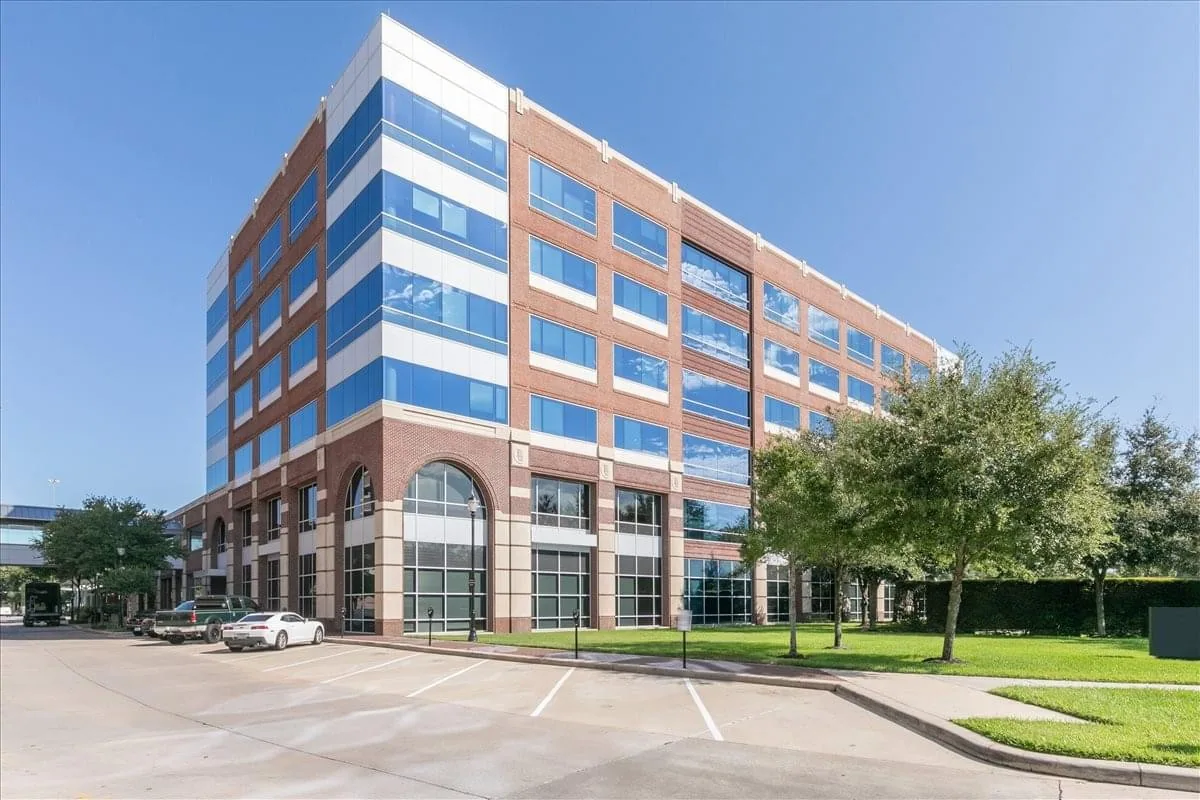
A ceiling mark above a resident corridor can turn a small roof opening into a move, a room closure, or an after-hours call. We trace the water path, inspect nearby drains and penetrations, and set a repair boundary that protects occupied rooms. In West Valley City, UT, senior housing near Fairbourne Station sits among civic, retail, office, hotel, and multifamily uses. Shared entries and active daily routines make roof access and interior notices part of the first inspection plan.

We coordinate with facilities staff before placing ladders, lifts, or protection inside. The roof may need a patch, a curb repair, drainage work, or broader replacement, depending on attachment, moisture, and repeated failures. We keep each opening small enough to close within the agreed shift. If a test cut finds wet insulation, the team sees the location and the revised limit before work extends above another room.
A lift beside a main entrance can cross resident drop-off, emergency access, and visitor movement. We walk the route with the building contact, identify doors that must remain clear, and choose a staging point that does not push people toward equipment or an open work zone. The city also identifies 3500 South as a major arterial and redevelopment opportunity area. For a property on that route, delivery timing and a clear resident entrance belong in the access plan. The plan also names who can authorize temporary barriers. A clear route reduces last-minute changes when the crew is ready to raise materials.

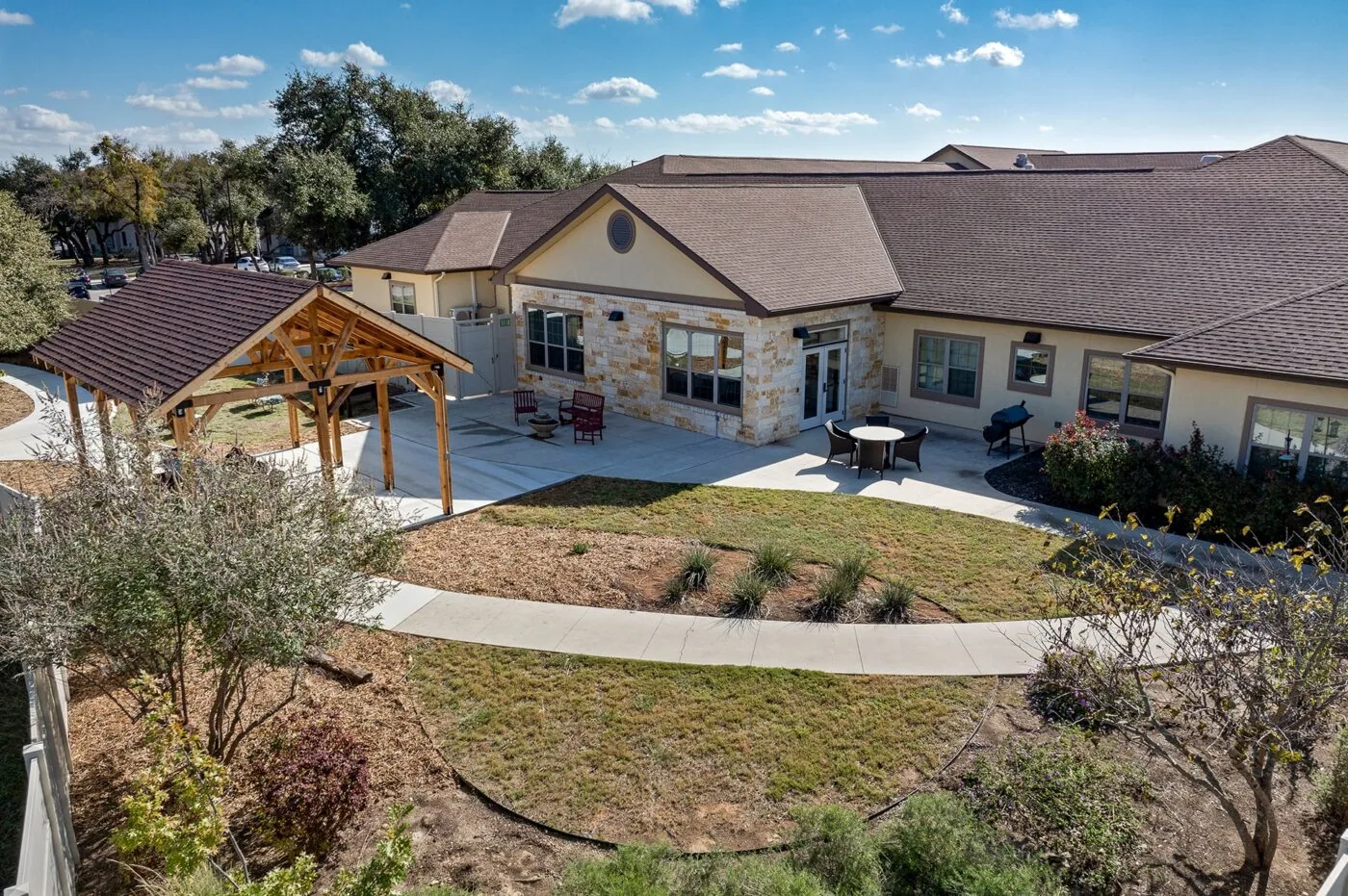
Senior living buildings can include common areas, resident rooms, kitchens, and care spaces with different access rules. We ask which area sits below the roof section and whether staff need advance notice. If equipment must be shut down or a room moved, that decision belongs in the schedule before the roof is opened. A phased occupied-building reroof can define daily work limits and the time available to secure each section.

Senior Living Roofing

Trace the leak above the affected room

Senior Living Roofing

A stain may appear below a drain, curb, seam, or wall transition several feet away. We compare the room location with roof details and inspect the likely water route before cutting the membrane. The opening is placed where it can answer a question about the assembly, not simply where the interior mark is easiest to reach. If insulation is wet, we measure the affected boundary and document the layers exposed.

Repeated leaks in different wings can point to separate details rather than a single roof-wide problem. We label each report by room or area, then check the adjoining field and flashing for movement or an earlier patch. A hands-on roof inspection can record those conditions by section. When moisture extends beyond the first test, we stop and confirm added removal before changing the price or opening more occupied space.

Clear drains and protect the roof path

A clogged drain bowl can send water toward a doorway or wall before it reaches an interior ceiling. We check the bowl, scuppers, sump, and visible slope, then record where debris or standing water remains. The roof profile and outlet height determine whether cleaning is enough or a drainage correction is needed. We show that work separately from replacing membrane or repairing flashing.

Snow may cover outlets and hide debris until the roof becomes accessible. The airport station's typical January brings twelve and seven tenths inches, against a full-year snowfall normal of fifty-one and nine tenths. We inspect facility outlets and surfaces when access is safe. For a damaged outlet, drain and scupper repair can address the water path before another interior leak occurs.

Senior Living Roofing

Keep daily care routines in view

Noise, odor, and vibration can affect a resident area even when the roof crew stays outside. We identify quiet hours, medication or meal routines, and any HVAC controls that cannot be interrupted without staff approval. Noisy removal can be grouped into a defined window, followed by quieter detail work. The site contact receives the sequence and the limits on access to each work zone.

Fairbourne Station includes a mix of residential, hotel, office, civic, and retail uses. That district setting can bring shared pedestrian paths and active neighboring properties. We coordinate deliveries and barriers so an occupied building keeps its own entries available. For a facility near the Fairbourne Station area, we record the access route, staging spot, and any time restriction that changes where the crew can work first.

Compare a contained repair with replacement

A local repair may be enough when the membrane is bonded, the insulation is dry, and the defect stops at a sound seam. Repeated openings, saturated layers, or loose attachment can move the repair boundary across a larger section. We use test cuts where needed and keep confirmed removal distinct from areas that remain concealed. That gives the owner a repair option and a broader alternative tied to evidence on the roof.

Replacement cost changes with tear-off limits, disposal, substrate repair, flashing, and how much roof can be opened safely each day. A commercial replacement scope should account for resident access and the agreed dry-in line. If several buildings share a portfolio, a multifamily roof plan can help keep records separate by structure, while hospital roof work can involve different operating controls. We identify the use-specific constraints before pricing.

Leave staff a clear roof record

Closeout should show what changed and where staff should look if water returns. We provide photos of the repaired detail, nearby drainage, the test opening, and any area excluded from the scope. The record names the roof section and the room or corridor below it when that information is available. If hidden damage was found, the file distinguishes confirmed removal from areas that were not opened.

We also record temporary protections, equipment shutdowns, and access limits that affected the schedule. A clear record gives maintenance staff a starting point instead of asking them to reconstruct the work from memory. The facilities team can plan the next inspection around the repaired detail and the area below. That is useful when a leak appears after a different storm or when staff changes make an old work order hard to interpret.

Senior Living Roofing

Common questions

Can roof repairs happen while residents remain in the building?

We plan the work in sections and coordinate routes, room access, noise windows, and any equipment interruption with the facility contact. Each opening has a daily dry-in limit. If a room or route needs to remain clear, the sequence is adjusted before work starts. The building team approves any move or temporary closure that affects care operations.

How do you keep a roof leak from becoming a larger interior disruption?

First we locate the roof detail tied to the affected room and protect the area below. A test cut can show whether wet insulation extends beyond the visible mark. We set the repair boundary from that evidence and close each section within the agreed shift. Added removal is confirmed with the owner before the opening moves into another occupied area.

What if several resident wings report leaks?

Separate reports may point to separate drains, curbs, seams, or prior repairs. We map each location by roof section and compare the likely water routes before recommending one larger project. The inspection record shows which areas were checked and which need testing. A shared roof does not make every leak part of the same defect.

Can you work around meal and quiet hours?

Yes, the facility identifies the routines that set the access window. We can group loud removal into an agreed period and sequence detail work around it, subject to weather and safe dry-in limits. The schedule also accounts for doors, delivery paths, and equipment needs. If those conditions change, we confirm a new sequence with staff.

What controls the cost of a senior living roof repair?

Repair area, flashing details, access equipment, interior protection, and confirmed wet insulation all affect scope. Replacement adds tear-off, disposal, substrate work, and daily dry-in needs. We identify the base repair and any concealed condition separately. The estimate does not treat an unopened area as confirmed damage, and it ties each added quantity to a location or test result.

Plan a roof visit around resident needs

ServicesRoof SystemsIndustriesProperty TypesService AreasDamage RepairCapabilitiesManufacturersContactAboutRequest a Roof Assessment555-555-5555
Call555-555-5555