Commercial Roofing in South Salt Lake, UT

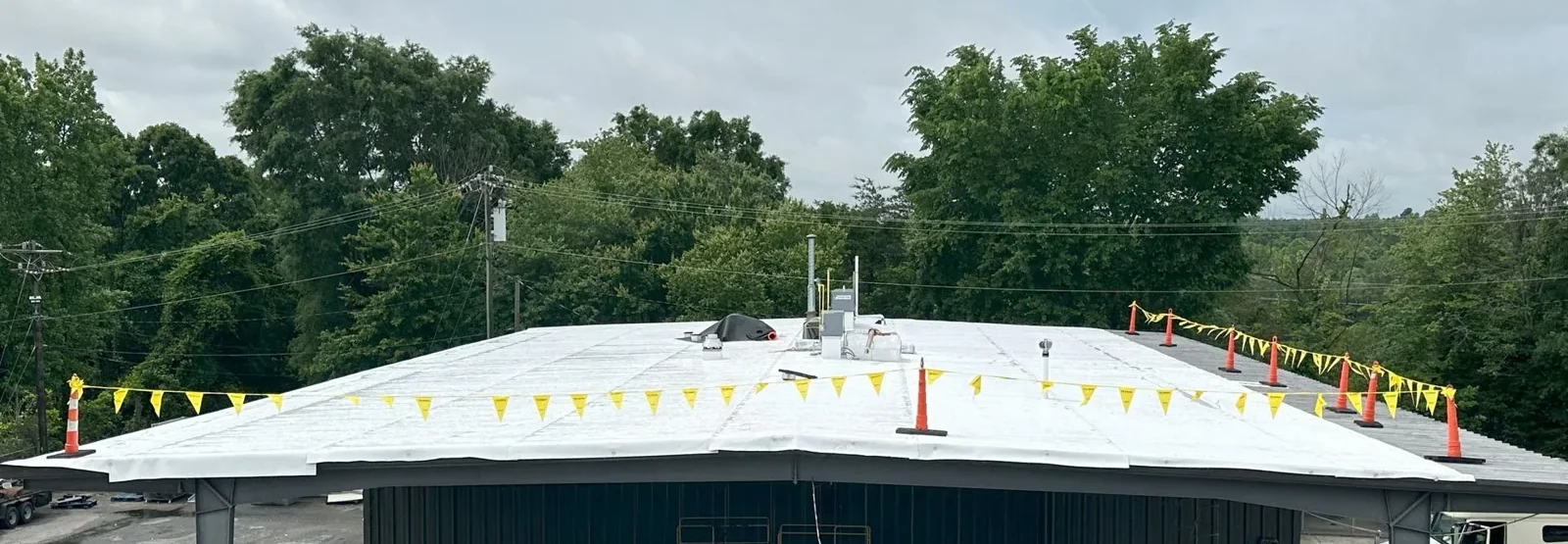
Commercial roof repair in South Salt Lake starts with a field check of seams, drainage, access, and the repair boundary for each building.

Set a South Salt Lake roof inspection

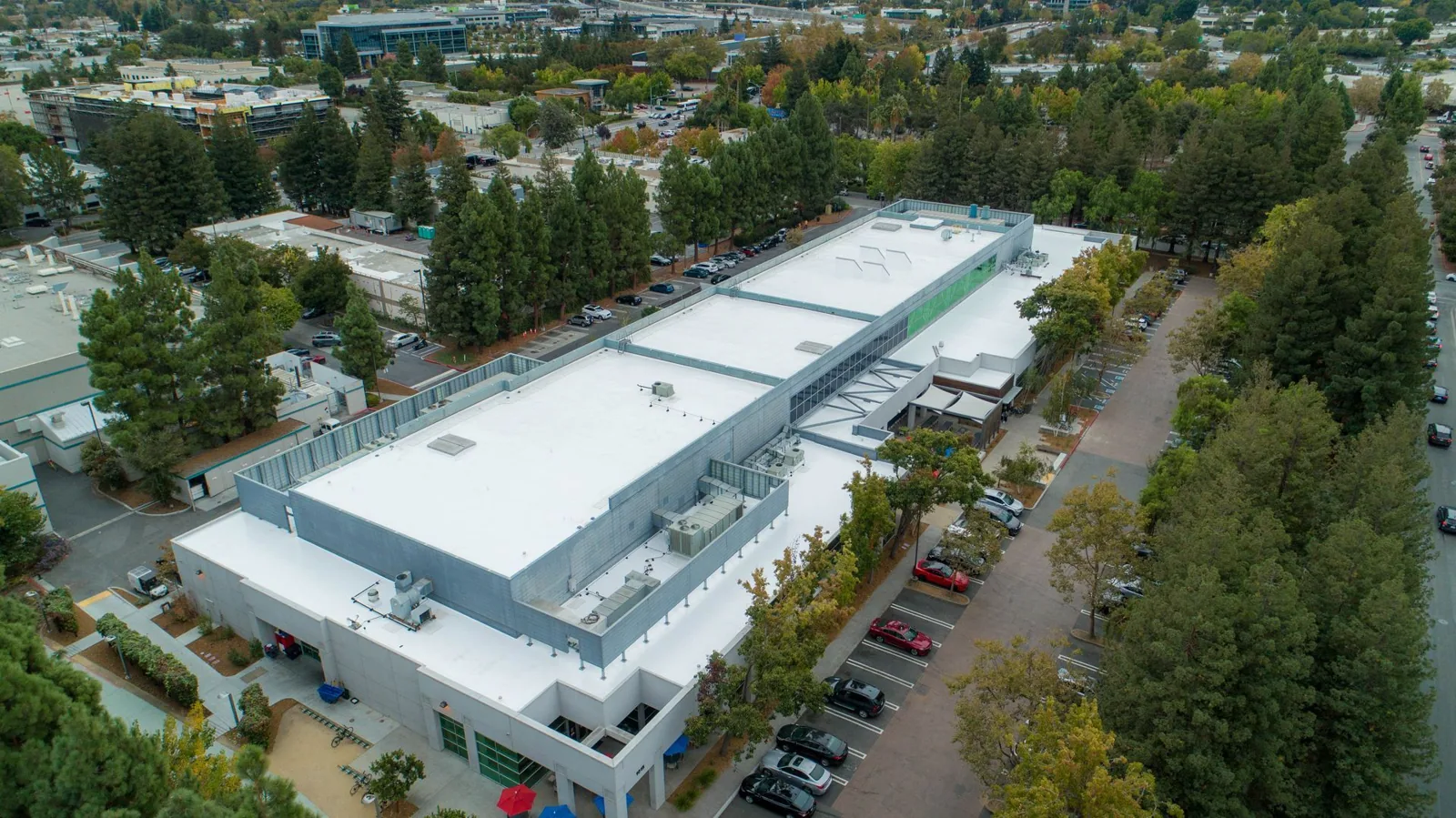
Warehouse roofs in South Salt Lake call for a close look at drainage and seams before the repair quantity is set. We inspect the seam, bowl, and insulation before setting the removal limit. South Salt Lake's city profile describes retail, manufacturing, warehouse, and distribution businesses, within a largely business and mixed-use land base. We confirm each building's use, roof, and operating limits before setting its access plan and pricing work.

The city reports more than 3,200 businesses and places itself where I-15 and I-80 meet, within the regional transit network. That transportation context can matter to material delivery and site access, but it does not set a property's loading route. On the first walk, we identify the roof assembly, the reported leak, drainage, and any active entries below. Then we separate confirmed repair from concealed conditions that need approval to open.
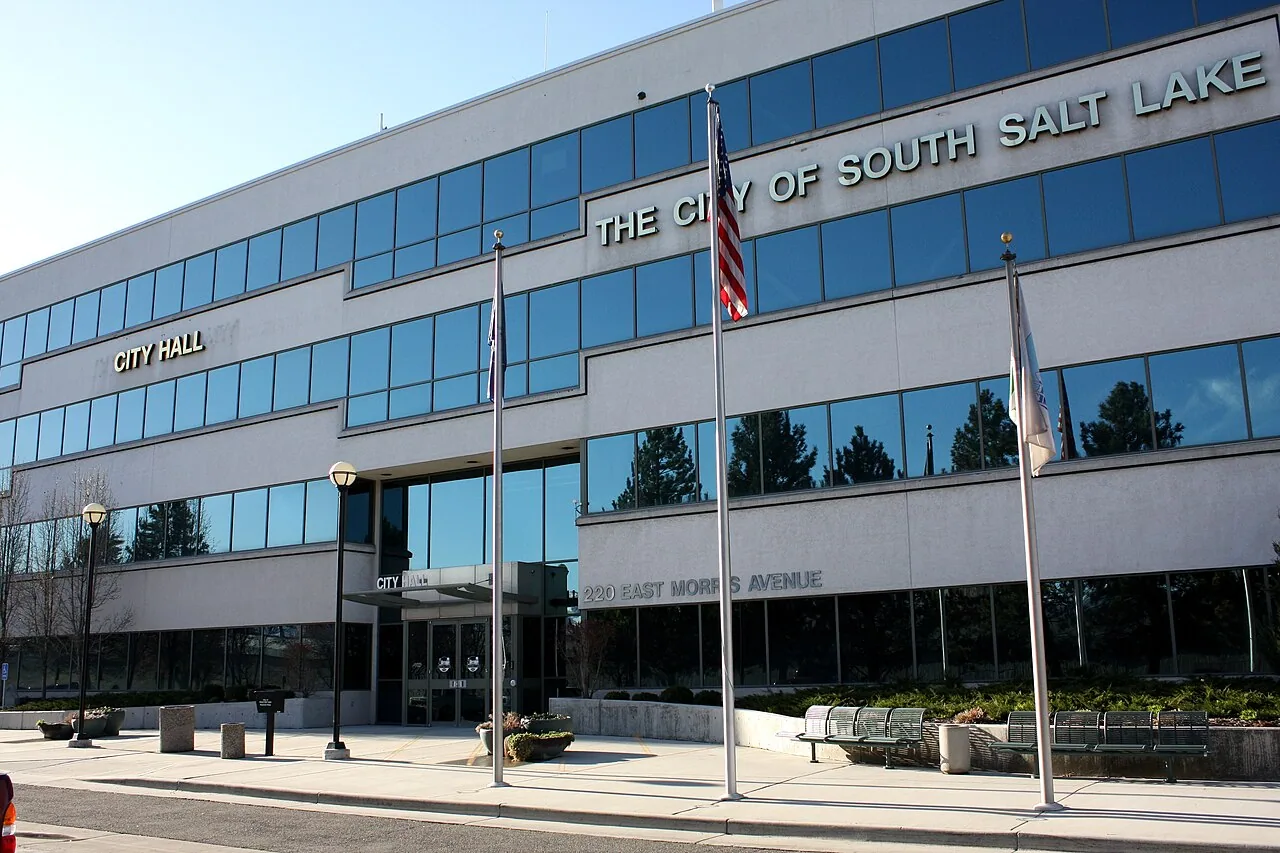
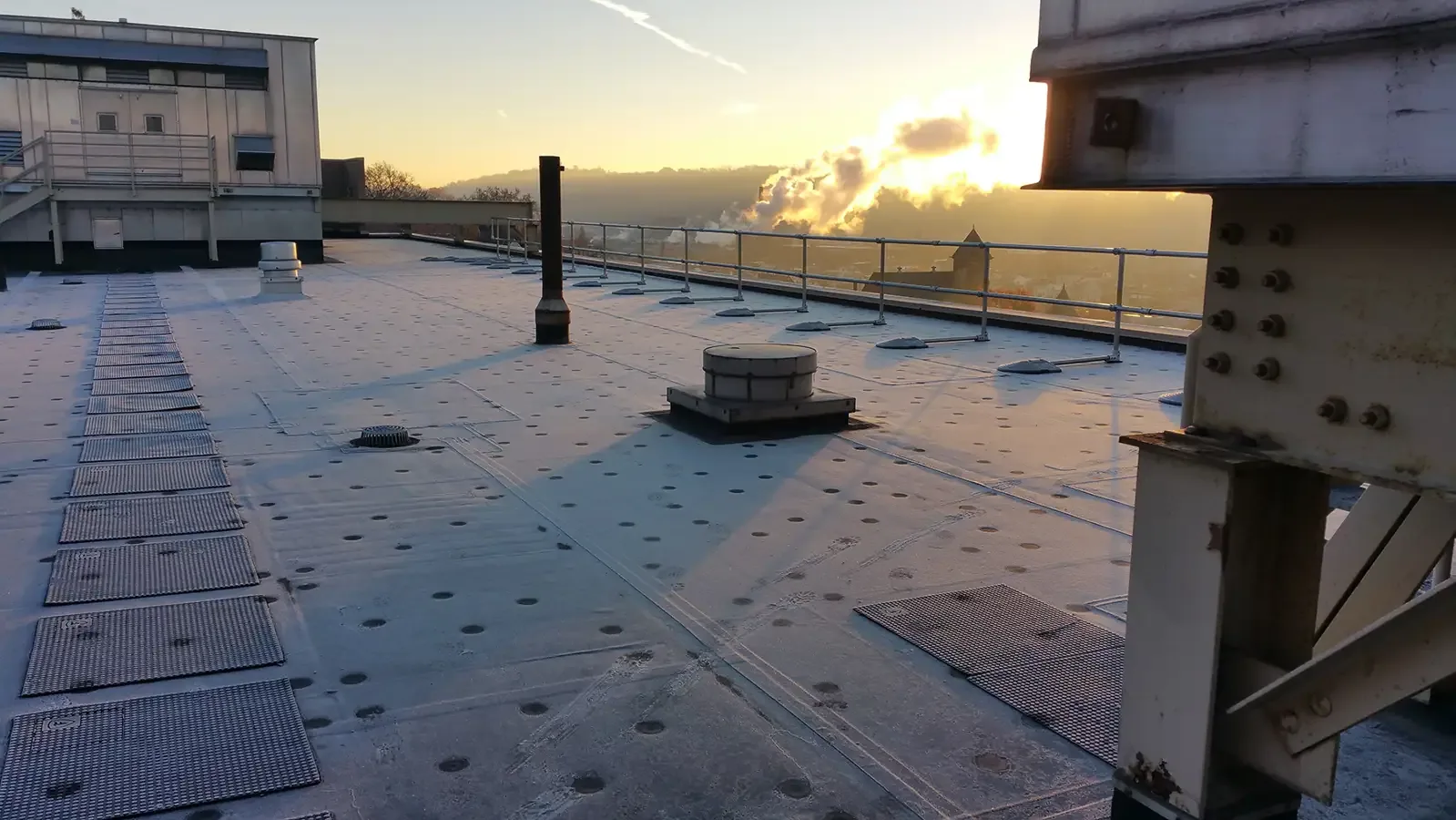
Retail, manufacturing, warehouse, and distribution properties may have different operating hours and roof access controls. We ask who can release the hatch, where materials can be staged, and whether an interior area needs protection. The citywide business count is not a count of roof assets or commercial buildings. We record only the property being inspected and do not transfer conditions from one site to the next.

A loading area or equipment zone can change where a lift or material drop fits, but we confirm that on site. We mark active doors, delivery routes, fire access, and any equipment shutdown before opening the roof. For another district inside South Salt Lake, the downtown roof scope needs its own building walk. A Murray Central review likewise stays tied to that property's observed assembly and access plan.

South Salt Lake

Trace water to the roof detail

South Salt Lake

A ceiling stain can sit below a curb or seam that is several feet from the actual entry. We follow the likely water path and check open laps, flashing corners, fasteners, and the nearest drain. The membrane surface should be dry and stable where a patch will bond. If the edge lifts farther than the visible opening, or the insulation flexes below it, we mark a broader test area instead of extending a surface repair by guesswork.

At a drain, we clear the bowl when safe, inspect the clamping ring, and check whether the membrane has pulled back. If the outlet is clear but water remains, we look for a low area or soft insulation. A drain and scupper correction may be separate from a ponding-area repair. Each item gets its own boundary so the owner can see what corrects the entry and what changes the roof's water route.

Protect active warehouse and production areas

When the property use includes warehousing or distribution, keeping a route open can shape material handling and lift placement. Manufacturing work may add equipment or process access limits that the site contact needs to identify. We do not assume those controls from a street address. Before a crew begins, we verify roof access, staging, overhead hazards, and any area below that needs protection. The daily open section stays small enough to close within the agreed dry-in line.

South Salt Lake also describes a regional transit connection as part of its transportation setting. We coordinate the delivery schedule with the property rather than assume where traffic or parking is available. If work crosses an occupied area, a phased reroof approach can set daily limits and hold points. distribution-center roof planning is useful when the actual building has that use; we confirm the use before choosing a work sequence.

South Salt Lake

Check the core before enlarging the patch

A membrane can hide wet insulation that has softened around a fastener or drain. We inspect for deflection and changes in support, then choose a test cut where its result will answer the repair question. The opening shows the materials at that spot. We mark, photograph, and restore it within the approved work. If the core is dry and the deck remains sound, the repair may stay limited to the seam or detail.

Moisture that continues under the sheet can move the tear-off line and add insulation, cover board, or deck work. We identify those quantities after testing and seek approval before widening removal. Cover-board work stays separate from the membrane patch. If multiple seams, edges, or wet areas need work, replacement can be compared against a wider repair on the same confirmed roof zones.

Check the roof during the application window

A normal January at Salt Lake City International Airport brings 12.70 inches of snow; the yearly normal is 51.9 inches. In South Salt Lake, we inspect drains and low areas before repair, accounting for any cover that limits visibility.

A surface that is damp, icy, or outside the selected material's installation range can delay an adhesive or coating repair. We check the roof temperature, dryness, and substrate before application. The amount removed in a shift has to fit the weather window and the roof's dry-in capacity. A scheduled roof visit can record open seams and drain conditions before a leak forces a larger opening.

Price the work that inspection confirms

Repair cost depends on the defect length, detail count, membrane type, test openings, insulation removal, access equipment, and protection below. We list the confirmed work and keep hidden layers outside the price until testing establishes their condition. If a test finds a wet core, the owner receives the new measurement and a revised quantity before removal expands. That is the point where a focused patch becomes a broader repair.

On a larger property, we map findings by roof zone and record which sections were not accessible. A commercial roof inspection can establish the current condition, while a photo-based condition report can preserve repair history and priorities. Closeout shows the finished seam or flashing, the material changed, and any test area that remains outside scope. The next roof decision begins with documented limits, not an assumption that the full building was inspected.

South Salt Lake

Common questions

Does South Salt Lake's business count describe the number of commercial roofs?

No. The citywide total covers business activity and does not establish how many commercial buildings or roofs exist. We inspect the property named by the owner and record the roof assembly and defects visible there. A different address requires a separate inspection, even when it has a similar use.

Can a warehouse leak be repaired without stopping shipments?

We first confirm roof access, lift placement, material delivery, and any loading or fire route that must stay clear. A small section may be isolated and dried in while work continues below, if site conditions allow. We set that sequence with the property contact and identify any shutdown or temporary closure before pricing.

When does a seam repair need a test cut?

A test is useful when the membrane lifts, the substrate feels soft, or water may have moved beyond the visible seam. We choose a location that can establish whether insulation is wet and where removal should stop. If the sample shows dry layers, the work can remain narrow. Wet material requires a separate, measured scope.

How does the I-15 and I-80 setting affect roofing work?

It can inform delivery planning, but it does not show which road a particular property uses or where equipment can be staged. We confirm the actual route, turn space, gate, and roof access with the site contact. Those details affect mobilization and the work window, not the membrane repair method.

What belongs in the final roof repair record?

The file should show the defect, the completed repair, materials replaced, and any area opened for testing. We record the edge of work and list areas that remained inaccessible. That lets the next maintenance check compare its observations with the actual repair, rather than treating an unexamined zone as complete.

Set a South Salt Lake roof inspection

ServicesRoof SystemsIndustriesProperty TypesService AreasDamage RepairCapabilitiesManufacturersContactAboutRequest a Roof Assessment555-555-5555
Call555-555-5555