Commercial Roofing in West Jordan, UT

Review commercial roof repairs and replacement in West Jordan with documented roof zones, access needs, and a scope based on field conditions.

Set a West Jordan roof assessment

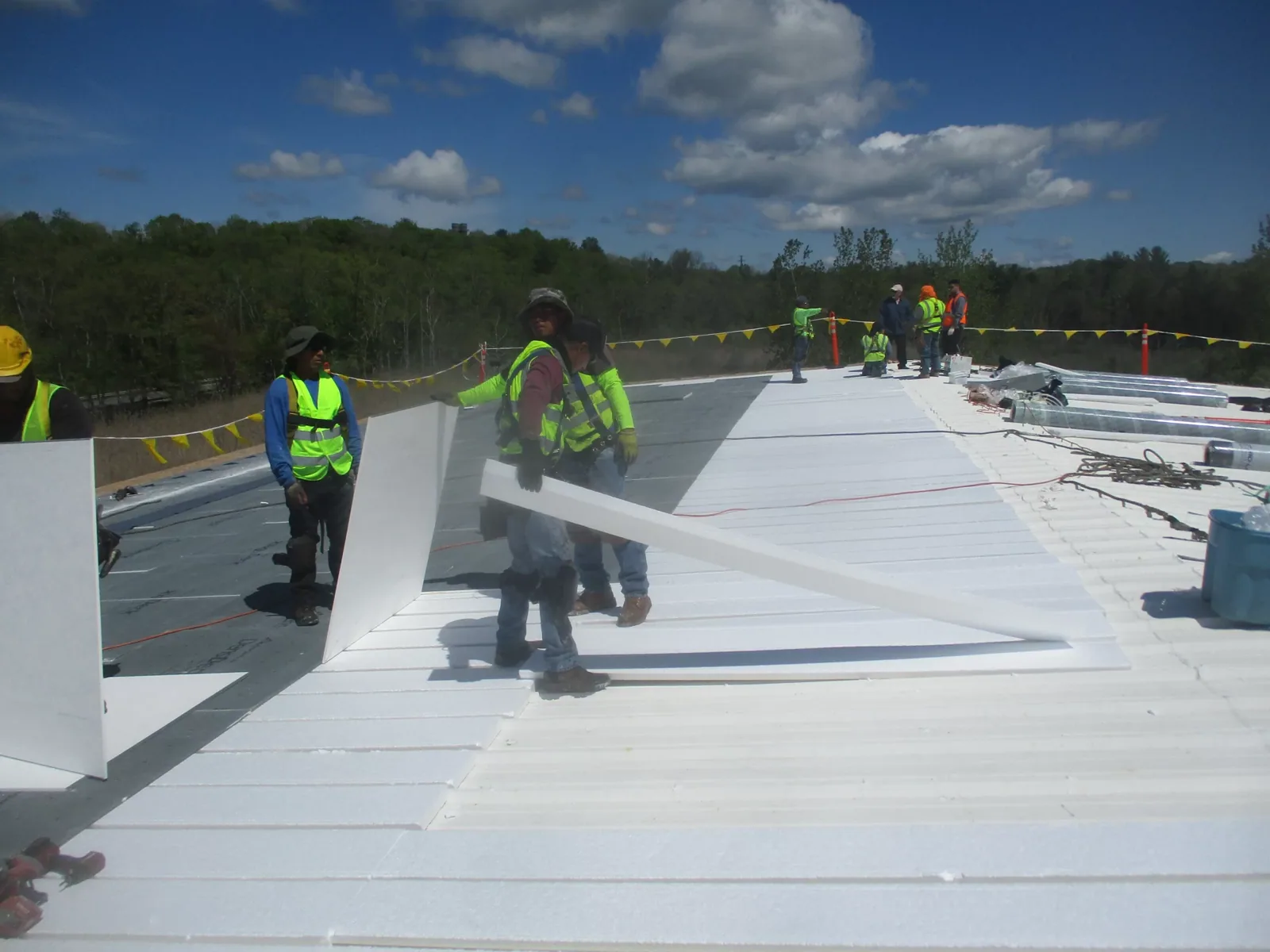
A soft spot beside a rooftop curb can signal wet insulation beneath an otherwise intact membrane. We mark the area, compare it with the leak report, and test the layers before deciding how far removal should go. West Jordan lists industrial, office, and retail real-estate categories and supports business attraction, retention, and expansion. Those categories describe a varied market. We inspect each roof before assigning a repair method or work window.

The city reports approximately 4,600 acres of undeveloped land. That figure is a citywide planning fact, not a count of available roofing projects. For an existing property, the first walk covers membrane, drains, penetrations, access, and occupied areas. A commercial roof inspection provides the evidence for patching, testing, recover, or tear-off. Each recommendation stays tied to the building’s own condition.

Where an addition meets an older roof, we inspect the transition for a change in height, membrane, or deck. That joint can move as the two sections respond differently to temperature. We check the base flashing, termination, and drainage path on both sides. If water appears along the interior wall, the survey still follows the roof details above rather than assuming the wall is the entry point. Photos identify the joint and the repair limit.
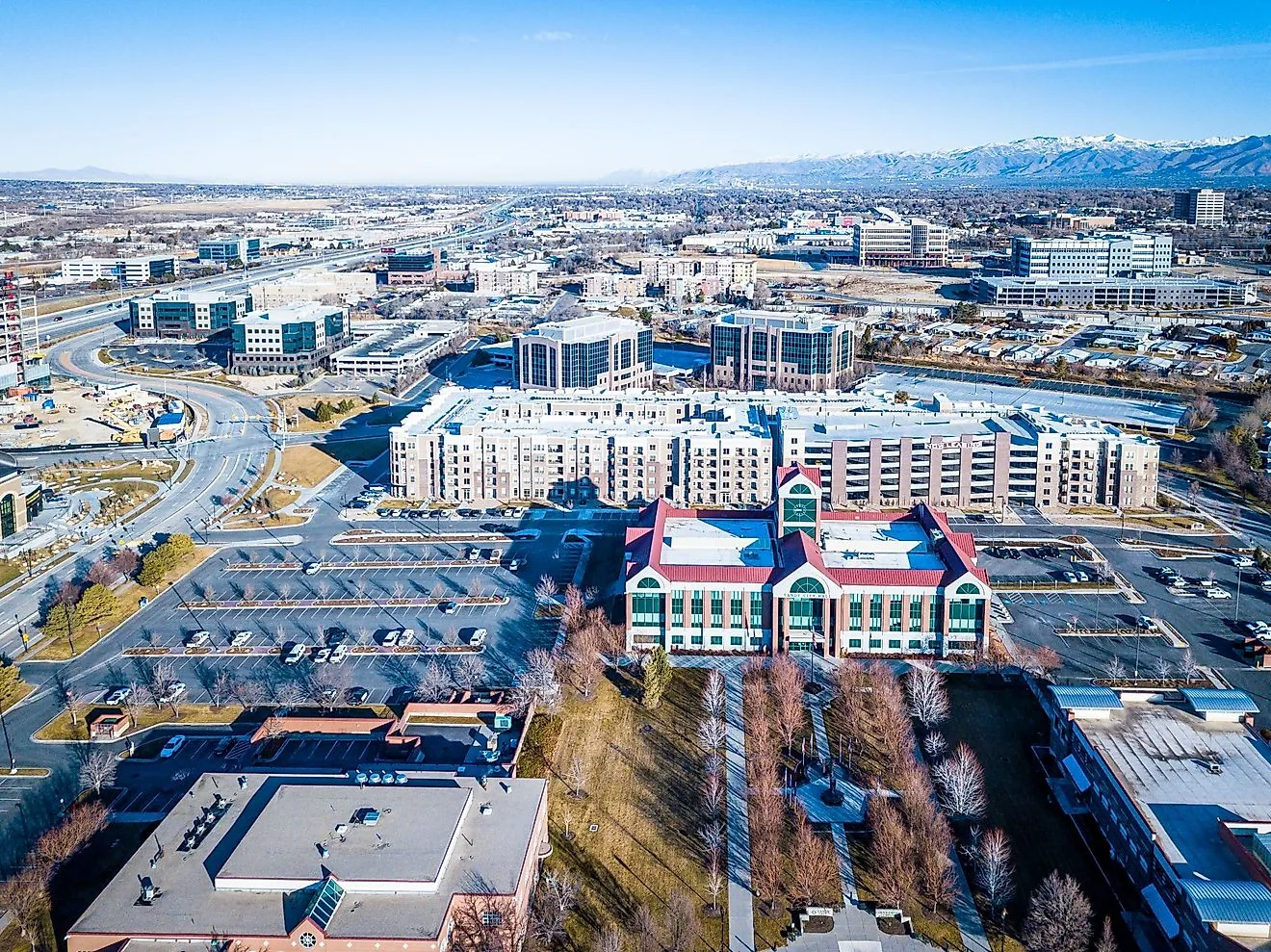
An industrial, office, or retail use can create different access and scheduling requirements, but the label alone does not identify the roof assembly. We ask which entrances, loading areas, tenants, or equipment must remain available. Then we map the route to the roof and mark any ground zone beneath the work. The building contact confirms shutdown windows before we set a delivery or lift schedule.

West Jordan’s economic-development office supports business attraction, retention, expansion, and community enhancement. That role can coincide with new projects, but it does not tell us whether a given roof is new, aging, or under construction. We document what is present. For office use, an office roof survey can identify curbs and penetrations. For manufacturing, a plant roof assessment can map operating constraints and details around equipment.

West Jordan

Trace the entry before opening the roof

West Jordan

A ceiling mark can be offset from the point where water enters. We check nearby laps, drains, wall transitions, skylights, and equipment curbs before selecting a test location. If the membrane is loose or the board beneath it feels soft, an opening can reveal the layers and moisture extent. We photograph the test cut and mark the nearest dry, sound substrate. That becomes the proposed repair boundary.

The first estimate separates confirmed work from concealed conditions. A failed seam can need a local repair if nearby material remains bonded. Wet insulation or a damaged deck may require removal beyond that seam. We explain the hold point before work begins and secure the roof if more material appears. A commercial roof repair can address a defined defect, while a flashing repair can replace failed curb or wall details that keep water outside the assembly.

We also check the perimeter where roof membrane meets parapet, fascia, or coping. Loose metal can allow water behind the flashing, while an intact edge may still hide wet insulation nearby. The inspection records the metal attachment, seams, and substrate at the transition. If the issue is limited to one run, the proposal keeps it separate from field membrane repair. If the edge repeats across several sides, we show that broader pattern before the owner approves replacement.

Compare repair with a longer scope

West Jordan reports about 4,600 undeveloped acres, but that number says nothing about the roof condition of an existing commercial property. Owners deciding between repair and replacement need roof-level evidence: attachment, insulation moisture, deck condition, drainage, and the number of failed areas. We mark those findings by zone. A local patch remains viable when the roof around it is sound; widespread moisture or recurring separation can support a larger comparison.

Price also changes with tear-off depth, debris handling, lift reach, access restrictions, and the time needed to protect occupied space. We list those items separately so a budget review can compare like scopes. A replacement proposal can show removal, deck review, and dry-in limits. Where the existing assembly has suitable attachment and no trapped moisture, a recover option may be considered after checking height, drainage, and edge details.

West Jordan

Inspect the details through seasonal change

The Salt Lake City airport record puts normal low temperatures under freezing in January and December. Its July high normal is 94°F, followed by 91.7°F for August. In West Jordan, surface and substrate readings govern when coatings, sealants, or adhesive can be applied.

January's snowfall average at the airport is twelve point seven inches, within an annual normal of fifty-one point nine. Our winter walk checks overflow paths, drains, low spots, and edge metal; roof findings determine any repair scope. A preventive roof visit can record these details. If water remains after drainage checks, a ponding-water evaluation can identify whether obstruction, slope, or another condition is involved.

Application work needs its own weather hold points. Surface temperature, moisture, wind, and overnight conditions affect whether adhesive or liquid flashing will cure as intended. We check the product limits and the actual roof, then set a work window that protects the repaired area. If conditions move outside those limits, the crew keeps the roof secure and reschedules the application step instead of extending material beyond its safe working range.

Close with a decision-ready record

We leave the owner a roof plan showing the areas inspected, repairs completed, test cuts, and open conditions. Photos identify the seam, drain, curb, or perimeter detail before and after work. The closeout also details whether insulation was dry or replaced and what remained outside the approved scope. This record helps facilities staff compare future leaks and set a next inspection priority without treating an old repair as new evidence.

Some portfolios include West Jordan, the West Jordan Southwest Quadrant, and Murray. We keep each report separate and link work to the correct property. A Southwest Quadrant roof plan may involve its own development coordination and access sequence. A Murray property review keeps that city’s roof findings distinct. Portfolio records can be consolidated through a roof condition report without transferring one building’s condition to another.

Common questions

Do West Jordan’s undeveloped acres tell me whether my roof needs replacement?

No. The citywide land figure is a development fact, not an inspection result for an existing property. We check attachment, moisture, deck, drainage, and repair history at the building. Those findings show whether a local repair or broader scope deserves pricing.

Can a repair be planned around office or retail hours?

We confirm when entrances, loading areas, or interior operations need to stay open. The plan identifies lift placement, ground protection, roof opening size, and a daily dry-in limit. If a shutdown is needed for rooftop equipment, that window is set with the facility contact before the work starts.

When would you use a test cut in West Jordan?

A test cut is useful when surface evidence cannot show whether insulation is wet or how far a leak has traveled. We photograph the layers and mark the nearest sound material. The owner receives a defined boundary and a decision point before concealed damage is added to the scope.

What should be in a roof replacement comparison?

The comparison should show removal depth, deck review, insulation, drainage, access, material handling, and dry-in limits. We separate confirmed work from conditions that require opening the assembly. That lets the owner compare a localized repair with a larger project on the same assumptions.

Can you keep several West Jordan roofs in one maintenance record?

We can organize multiple properties in a portfolio record while keeping each building’s roof map, photos, and findings distinct. Different roof systems or repair histories change the recommendation. Shared reporting does not make one site’s conditions evidence for another.

Set a West Jordan roof assessment

ServicesRoof SystemsIndustriesProperty TypesService AreasDamage RepairCapabilitiesManufacturersContactAboutRequest a Roof Assessment555-555-5555
Call555-555-5555