Commercial Roofing in Murray, UT

Plan commercial roof inspections and repairs in Murray with access coordination, drainage checks, and repair limits confirmed at the property.

Schedule a Murray roof inspection

A cracked boot at a pipe penetration can let water into the insulation before a ceiling shows a stain. We check the boot, membrane, and nearby seam before choosing a repair size. Murray identifies medical, transportation, retail, and professional-office activity in its local economy. We ask how each property's use affects access and schedule, then verify the roof assembly and building details on the first walk.

Murray reports access to I-15, I-215, TRAX, and FrontRunner, and identifies transit-oriented development areas around transit stops. Those connections may matter when planning material delivery or occupied work near a transit-focused area. We confirm the actual property entrance, loading path, and roof access with the owner. A commercial roof inspection records the condition, not just the reported leak.

Where a roof ties into a parapet or rooftop curb, we check the metal termination, sealant, and membrane turn-up as separate details. A leak at the wall may have entered at a failed joint higher on the roof. We photograph the entire transition, then close in on any gap, loose fastener, or wet substrate. That record shows whether a small flashing repair will close the path or whether removal needs to reach the next sound tie-in.

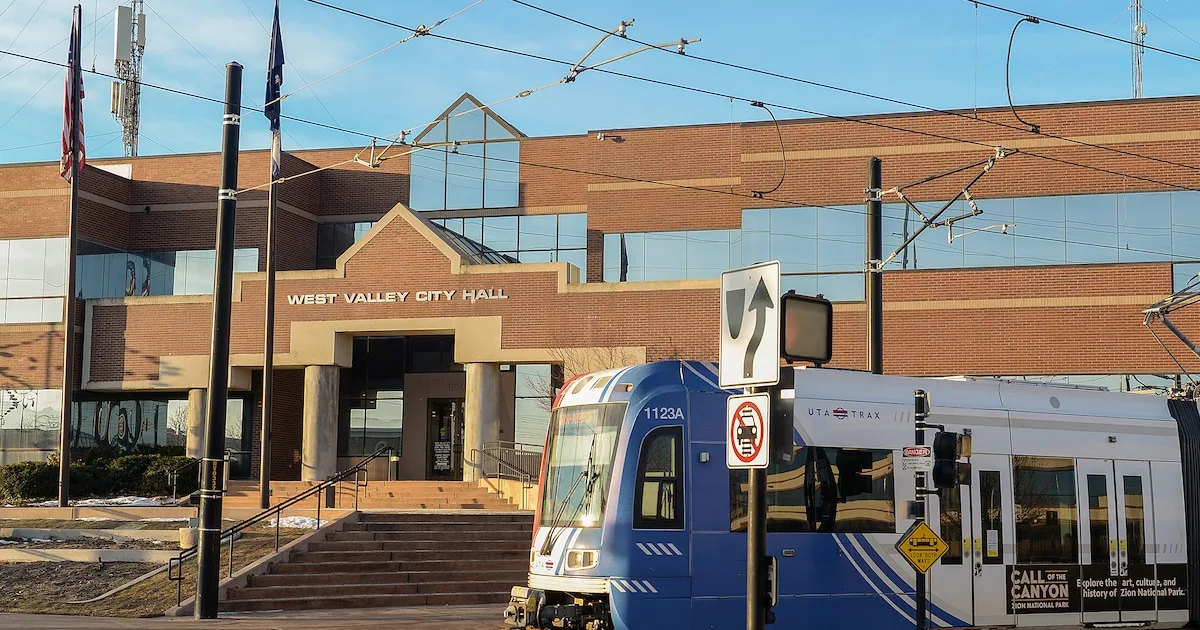
A medical office may need quiet hours, while a retail property may need customer entrances kept open. Transportation activity can put additional limits on where a lift or delivery truck can stand. We ask the property contact which operations need to continue, then map the roof zone and ground protection. The plan identifies shutdowns, access windows, and the daily dry-in limit before work starts.

Murray’s economic-development page lists medical, transportation, retail, and professional-office uses across the local economy. That mix gives us questions to ask, not a reason to assume a building type. We inspect the actual roof and check whether equipment, drains, and tenant routes affect the scope. A medical-office roof review can map sensitive access and rooftop equipment where the property serves that use. A phased reroof plan can keep work limits aligned with operating hours.

Murray

Confirm delivery and staging

Murray

I-15, I-215, TRAX, and FrontRunner are listed as transportation access in Murray. A route map helps with regional planning, but it does not determine the truck turn, gate height, loading zone, or crane setup at a given site. We confirm those details before ordering equipment. If work is near a transit stop or shared access road, the property contact identifies boundaries and times when staging must remain clear.

Murray also identifies transit-oriented development areas around transit stops. That land-use context can prompt a conversation about pedestrian routes, staging, and temporary barriers. We do not assume a specific construction schedule or roof condition from the designation. Instead, we mark where people and vehicles move below the work and keep the open-roof area as small as the repair allows. A Murray Central roof assessment can keep the area’s own access details with its property findings.

Test the layer beneath the membrane

A leak near a curb, pipe, or drain can travel before it becomes visible indoors. We check the roof above the stain, compare nearby seams and flashing, and look for soft insulation. If the surface does not show how far moisture extends, a test cut can reveal the layers. We photograph the opening and identify the nearest sound substrate. The repair estimate stops at that evidence until another area is confirmed.

Drain bowls, scuppers, and overflow paths require separate checks. We inspect the strainer, clamping ring, outlet, and surrounding membrane. A clear bowl does not prove the flashing connection is intact. If the connection is open, we price that detail apart from water removal or a larger membrane repair. A drain and scupper repair can address the outlet. For a failed curb or wall transition, a flashing repair scope identifies the termination and tie-in that need replacement.

A penetrations schedule can help when several pipes or exhaust units share a roof zone. We number each curb or boot on the roof plan and record the condition at its base. If a single boot has split, the repair can stay local. If multiple details show brittle material or poor attachment, we compare their locations and recommend a coordinated repair visit. The owner can then decide whether to address each defect now or group compatible work by access window.

Murray

Check the roof in hot and cold periods

At the Salt Lake City airport station, winter monthly lows are normally below freezing; summer daily peaks average 94°F in July and 91.7°F in August. In Murray, we read the roof surface and substrate before applying adhesive, coating, or sealant, then follow the product's work limits.

For the airport station's snowfall record, twelve point seven inches is the January mean and fifty-one point nine is the annual normal. We schedule checks at low spots, drain openings, and metal edges, then photograph each property's conditions. A maintenance visit can log open items. After a particular storm or ice event, a snow and ice assessment can document the affected zone and repair limit.

Give the owner a clear next step

Repair cost changes with removal depth, insulation, deck condition, lift reach, disposal, and the hours the site can release. We itemize confirmed work and keep concealed layers as a separate decision point. If a test cut finds wet board, the crew protects the opening while the owner reviews photos and added scope. A replacement estimate can compare removal and dry-in with a local repair when repeated failures or broad moisture make the larger option worth pricing.

At closeout, we record the repaired penetration, seam, drain, or edge with photos tied to the roof plan. The report states what was replaced, whether the insulation was dry, and what remains open for a later decision. If a property manager oversees several sites, a roof condition report can retain those records without merging them. A West Jordan roof file and a Southwest Quadrant record should each keep their own access and condition history.

If a repair is approved, we confirm whether existing insulation can remain and whether the replacement material will tie into the current membrane. The scope names what will be removed, what receives a new flashing or patch, and how the area will be protected each day. That level of detail lets the building contact plan occupant notices or equipment access without treating every roof zone as unavailable.

Common questions

Does a transit-oriented designation identify the roof system?

No. Murray’s transit planning describes areas around transit stops. We inspect the property to identify membrane, insulation, drainage, and access conditions. The observed assembly and repair history determine the roofing recommendation.

How do you plan work near a transit stop or active road?

We confirm the property entrance, staging location, pedestrian routes, lift position, and hours when deliveries can occur. The owner or site contact identifies any boundary that must remain clear. Those facts shape the roof opening and ground-protection plan.

Can repair work proceed over a medical or office space?

We can plan a work window around operating hours, noise limits, and any equipment shutdowns the facility identifies. The daily roof opening stays within the area the crew can protect. The estimate details when access or interior coordination changes the sequence.

What does a drain inspection include?

We check the strainer, bowl, clamping ring, overflow route, surrounding membrane, and insulation near the outlet. If the connection is open or the board is wet, the repair boundary is recorded. Clearing debris and repairing a failed flashing detail are priced as separate work when needed.

How do you compare repair and replacement for a Murray property?

We map confirmed defects, test concealed moisture where needed, and review attachment, deck, access, and drainage. A localized repair remains in the comparison when nearby layers are sound. Repeated failures or broad moisture may support pricing a larger removal scope.

Schedule a Murray roof inspection

ServicesRoof SystemsIndustriesProperty TypesService AreasDamage RepairCapabilitiesManufacturersContactAboutRequest a Roof Assessment555-555-5555
Call555-555-5555