Cool Roof Installation in West Valley City, UT

A reflective roof in West Valley City must fit the assembly, drainage, and use of the building. We inspect first, then price a buildable scope.

Check the roof before selecting a finish

A faded roof may still be dry, while a bright surface can hide a wet core. Before proposing a cool-roof upgrade, we check the membrane, insulation, drains, and seams. Salt Lake City International Airport's 1991-2020 normal daily maximum reaches 94 degrees Fahrenheit in July. We measure roof conditions before selecting materials and do not promise a savings figure. A blocked or low outlet can leave water against the membrane detail.

Reflective membranes and coatings can reduce solar absorption at the roof surface. They do not correct poor drainage or damaged insulation. We identify which layer needs repair, whether the existing assembly can accept a new finish, and how crews can keep the building dry. A hands-on roof inspection gives the owner a marked starting point.
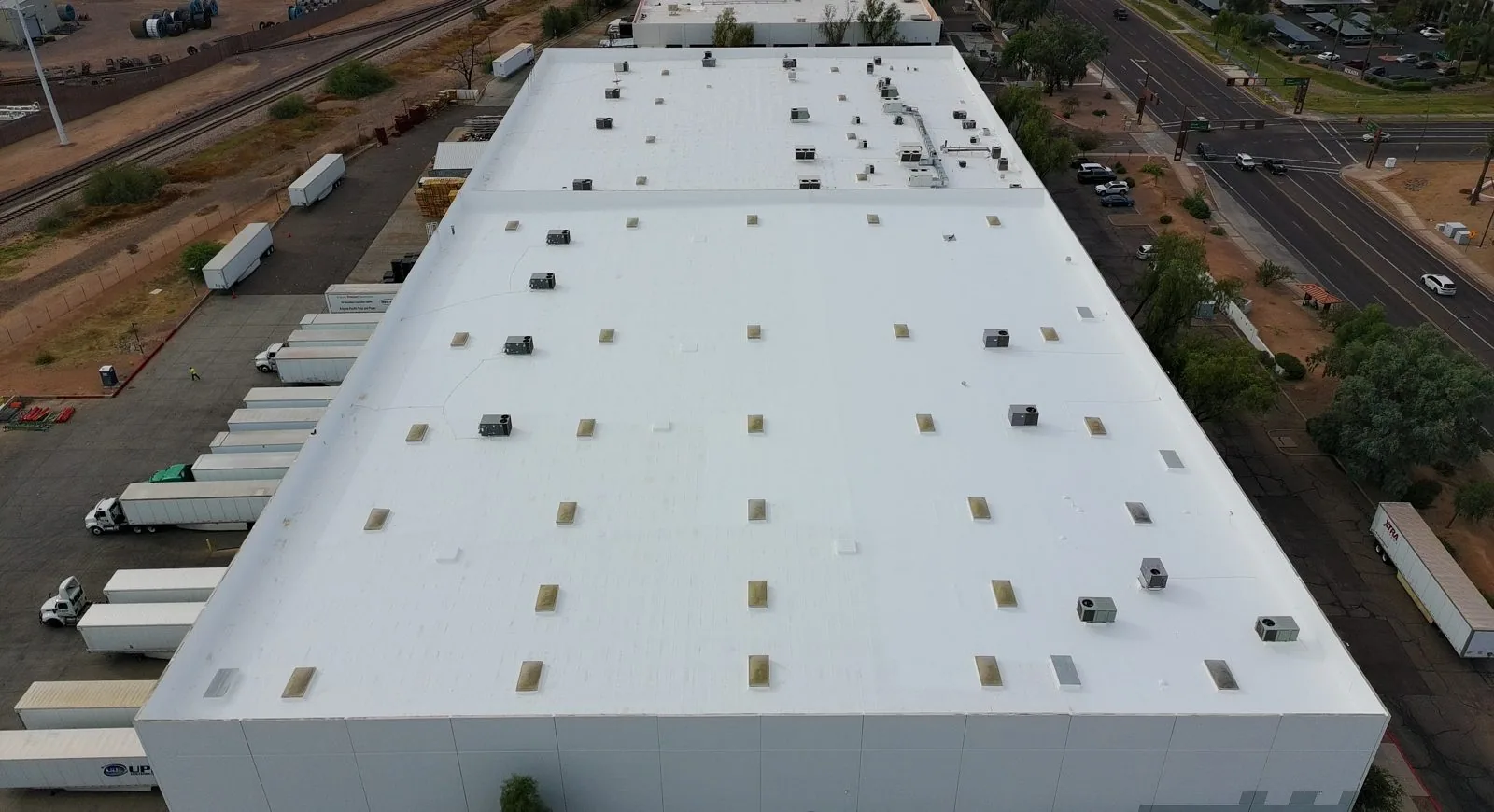
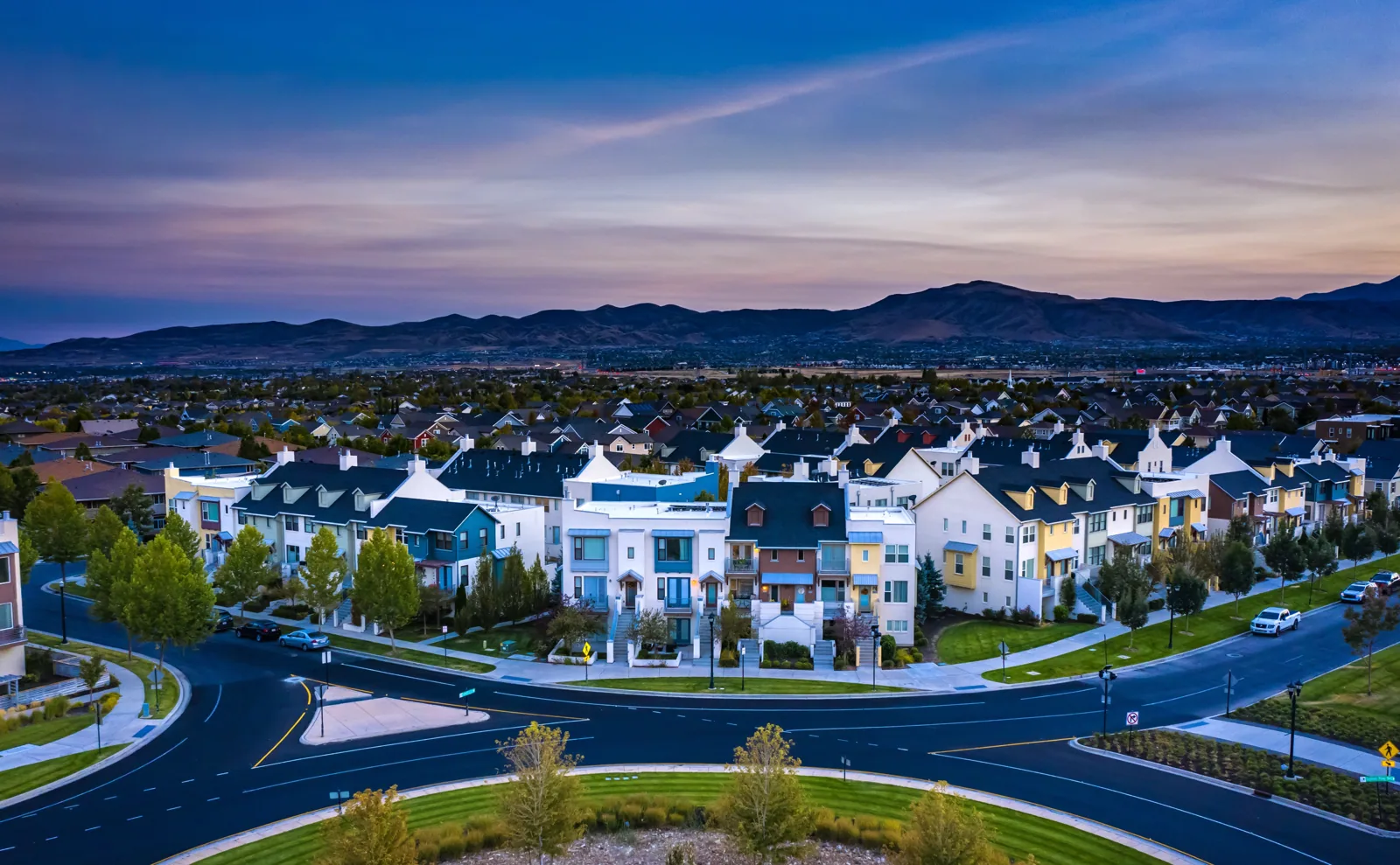
Surface color tells only part of the story. We inspect laps, penetrations, edge metal, drain sumps, and prior coating. Blisters or loose seams need repair before a reflective layer goes down. A test cut can show whether insulation is damp or compressed. We map those findings and separate preparation from the finish coat so the bid does not treat damage as ready surface. Chalk or old patch residue can block adhesion.

Heat reaches the membrane through the assembly, but condition still controls the decision. Warm-season work uses the airport station's monthly maximum normals as a reference: July reaches ninety-four degrees Fahrenheit, and August ninety-one point seven. We still measure substrate temperature, sun exposure, and product limits at the building before coating begins.

Cool Roof Installation

Choose reflectance with the assembly

Cool Roof Installation

A reflective TPO membrane may fit when the roof needs replacement and the details support that system. A coating can be considered when the existing membrane is compatible, firmly attached, and dry. We do not use color to cover a wet core or weak bond. The proposed assembly lists preparation, repairs, insulation work, and finish material as separate decisions. We record where a test confirms the finish can bond.

On an existing roof, white coating needs a clean and stable surface. We check whether seams, penetrations, and wall terminations can accept the selected product. If the roof has multiple layers or widespread moisture, a recover or tear-off may be a better route. The TPO membrane and silicone coating options each have limits that depend on the base and detail design. The selected primer must suit both surfaces.

Keep drains and edges in range

A coating adds film thickness, and a new membrane can raise the finished roof level. We check drain bowls, scuppers, curb heights, and wall terminations before fixing the system. A low drain or settled deck needs correction, not another layer over the same water path. We mark any drain work, tapered insulation, or edge-metal change in the scope. The drain path stays open through each work shift.

West Valley City identifies trucking and distribution near the northern SR-201 corridor. Roof work above an active loading site needs a clear place for lifts, materials, and safe movement around drains. We plan staging with the facility contact and keep the open-roof limit within the dry-in window. A northern SR-201 industrial corridor building may have traffic timing that changes when materials can arrive. We confirm barriers before a lift crosses an operating route.

Cool Roof Installation

Match the surface to building use

A reflective roof can sit above offices, storage, or production space. The project still has to protect what happens below it. We ask about HVAC schedules, temperature-sensitive rooms, odors, and roof access before selecting adhesives or coating products. Equipment curbs, pipe supports, and exhaust openings receive separate checks. Those details often control preparation more than the field membrane does. We record service clearances before equipment crews arrive.

Fairbourne Station includes office, hotel, medical-office, retail, multifamily, and public uses. A roof in that district may need work staged around entrances or occupied rooms. We confirm access routes, noise limits, and rooftop service windows with the building contact. If a coating has a cure period, we keep foot traffic off the area until the product can take the next step in service. We mark each cured area before reopening it.

Set the application window

Product limits set the daily start and stop points. We check forecast conditions, surface moisture, roof temperature, and dew before applying a coating or adhesive. Cold nights can affect cure, while hot surfaces can change how material spreads. The crew keeps each day's work inside the manufacturer's instructions and protects open seams if the schedule shifts. Wind and dust can also affect application quality.

Where repairs come first, we allow time to test adhesion and confirm the finished surface. The plan names which areas stay open, which areas cure, and who can release them for access. If the building cannot be closed during the shift, we stage sections so a safe route remains available. A roof coating restoration scope should identify prep, repairs, application, and inspection points. The closeout ties each repair to a roof location.

Compare the roof after installation

Closeout photos record seams, drains, terminations, and equipment details after the cool-roof work. We mark repairs that were made before coating and any area that stayed outside the scope. That baseline lets later inspections distinguish a new defect from a preexisting condition. A roof condition report can organize photos and observations for the building file.

Snow and freezing temperatures can affect drains and edge details. A normal winter at the Salt Lake City airport includes 12.70 inches of January snowfall; the annual normal is 51.9 inches. Before winter maintenance, we inspect building drains, low points, and terminations. The finish does not remove the need to keep water moving off the assembly.

Cool Roof Installation

Common questions

Will a reflective roof lower this building's cooling bill?

A reflective surface changes how much solar energy the roof absorbs, but the bill also reflects insulation, air leakage, equipment, schedules, and interior loads. We can inspect the roof and define a suitable assembly. We do not price an energy result without building data. The proposal focuses on repair scope, material, and installation conditions.

Can a white coating go over the roof that is already there?

The base must be dry, attached, clean, and compatible with the coating. We inspect seams and details, then test the surface when adhesion is uncertain. Wet insulation or broad membrane failure calls for a different scope. We show which repairs must happen first and where coating can remain an option.

How do drains change a cool-roof project?

We check drain bowls, scuppers, and low points for a clear water path after installation. Added insulation or membrane can affect curb height and drain level. We measure those details before pricing. If the deck has settled or the path is blocked, the scope needs correction beyond a reflective surface.

Does the work require the building to close?

Many projects can be divided into sections, but access and product cure time control the sequence. We coordinate roof entries, HVAC needs, deliveries, and any odor sensitivity with the facility contact. Each area has a protection and reopening point. If weather interrupts application, we secure the exposed edge and reset the schedule.

What should the owner compare in two cool-roof bids?

Compare preparation, repair limits, insulation work, drain and edge details, product compatibility, and application conditions. A low surface-price can leave wet material or loose seams in place. We separate those items so the owner can see what the proposed finish includes. Closeout photos and a written scope help future inspections use the same baseline.

Check the roof before selecting a finish

ServicesRoof SystemsIndustriesProperty TypesService AreasDamage RepairCapabilitiesManufacturersContactAboutRequest a Roof Assessment555-555-5555
Call555-555-5555