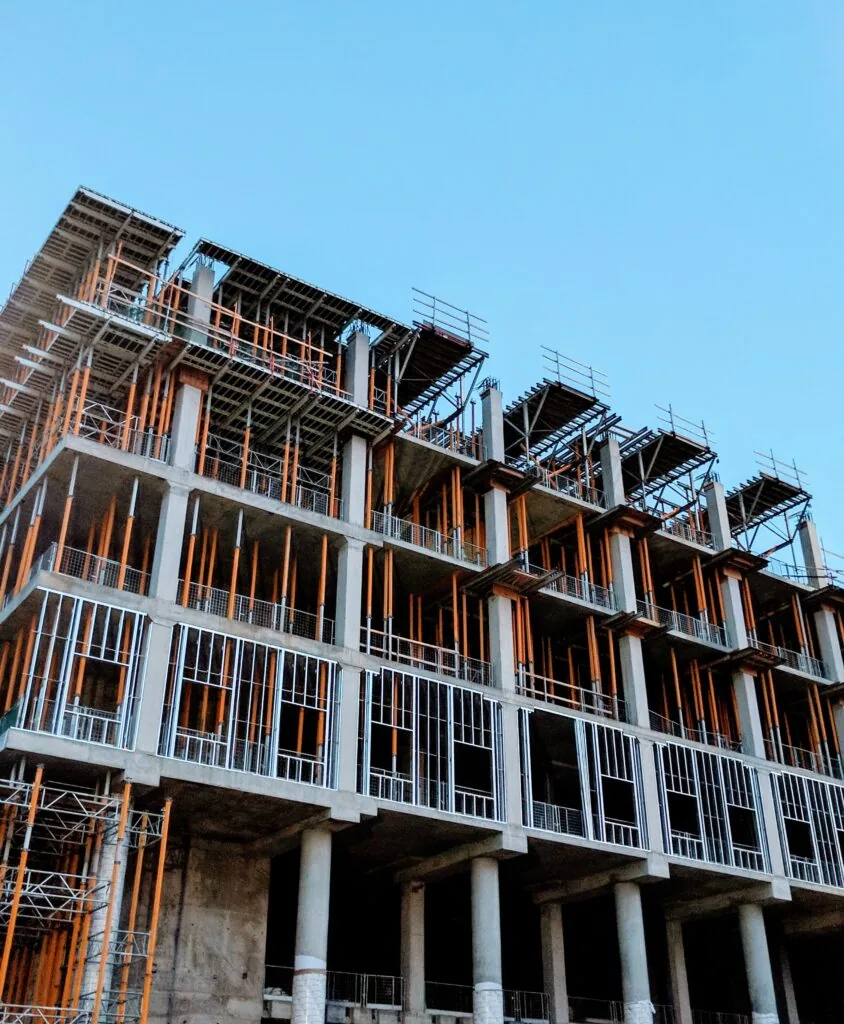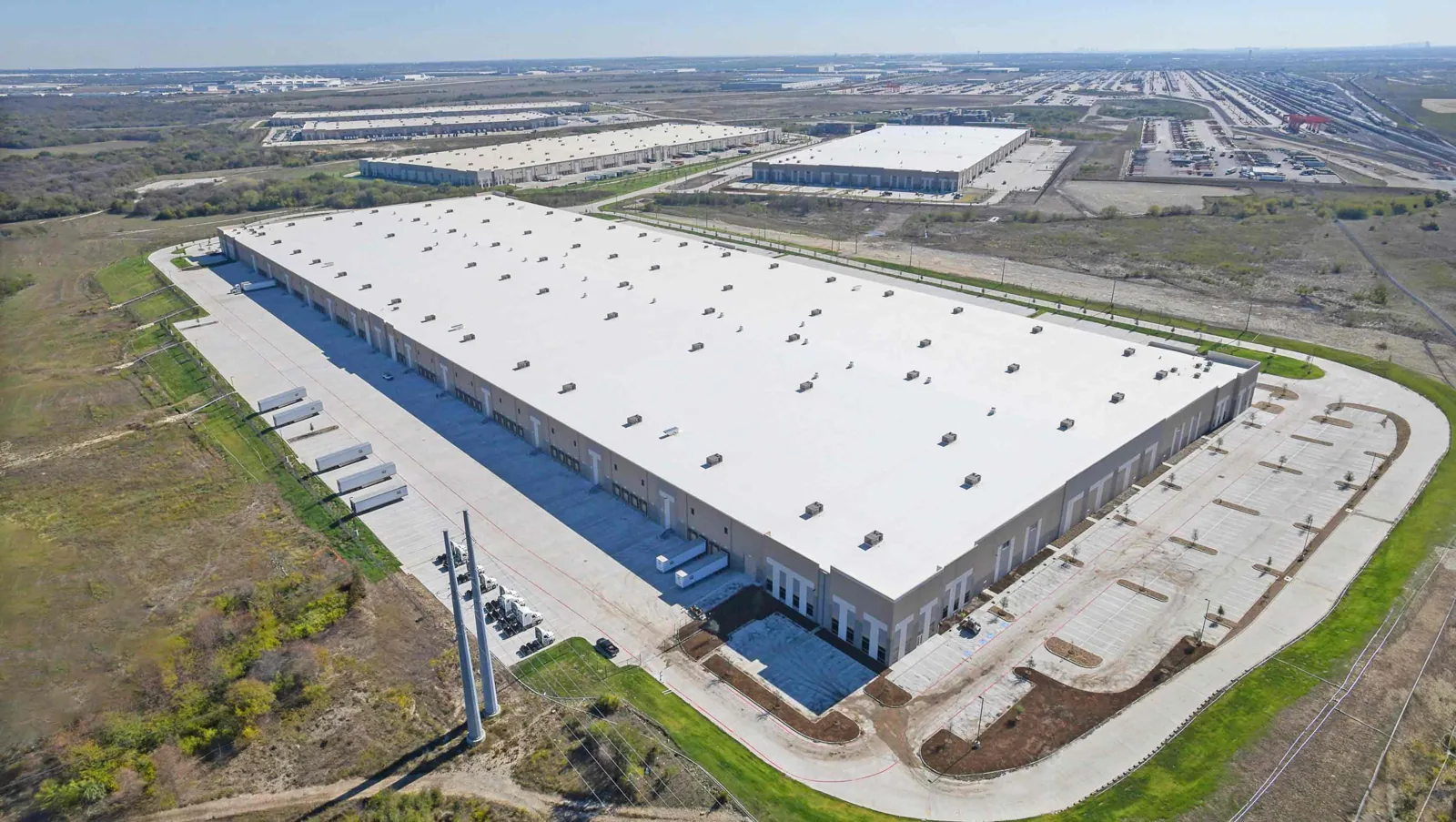
Commercial Roof Insurance Claim Assistance in West Valley City, UT

Document commercial roof damage in West Valley City with photos, measured repair limits, and scope details that help the owner coordinate an insurance claim.

Build a clear roof claim record

A torn membrane edge is easier to evaluate before a temporary patch covers the surrounding detail. We photograph the reported area, identify nearby seams and flashing, and keep emergency protection separate from permanent repair scope. For a West Valley City, UT distribution building near SR-201, truck access may set the inspection window; at Fairbourne Station, a shared entrance or occupied space may shape the route. Our role is to document roofing conditions and help the owner coordinate a clear claim file.

We can inspect reported damage, prepare photos and a written scope, and explain what the roof evidence supports. The property owner remains responsible for policy decisions and claim submission. We do not promise coverage, claim approval, or a settlement amount. If concealed damage appears after removal, we photograph the new condition and describe the additional work for review before continuing beyond the authorized boundary.
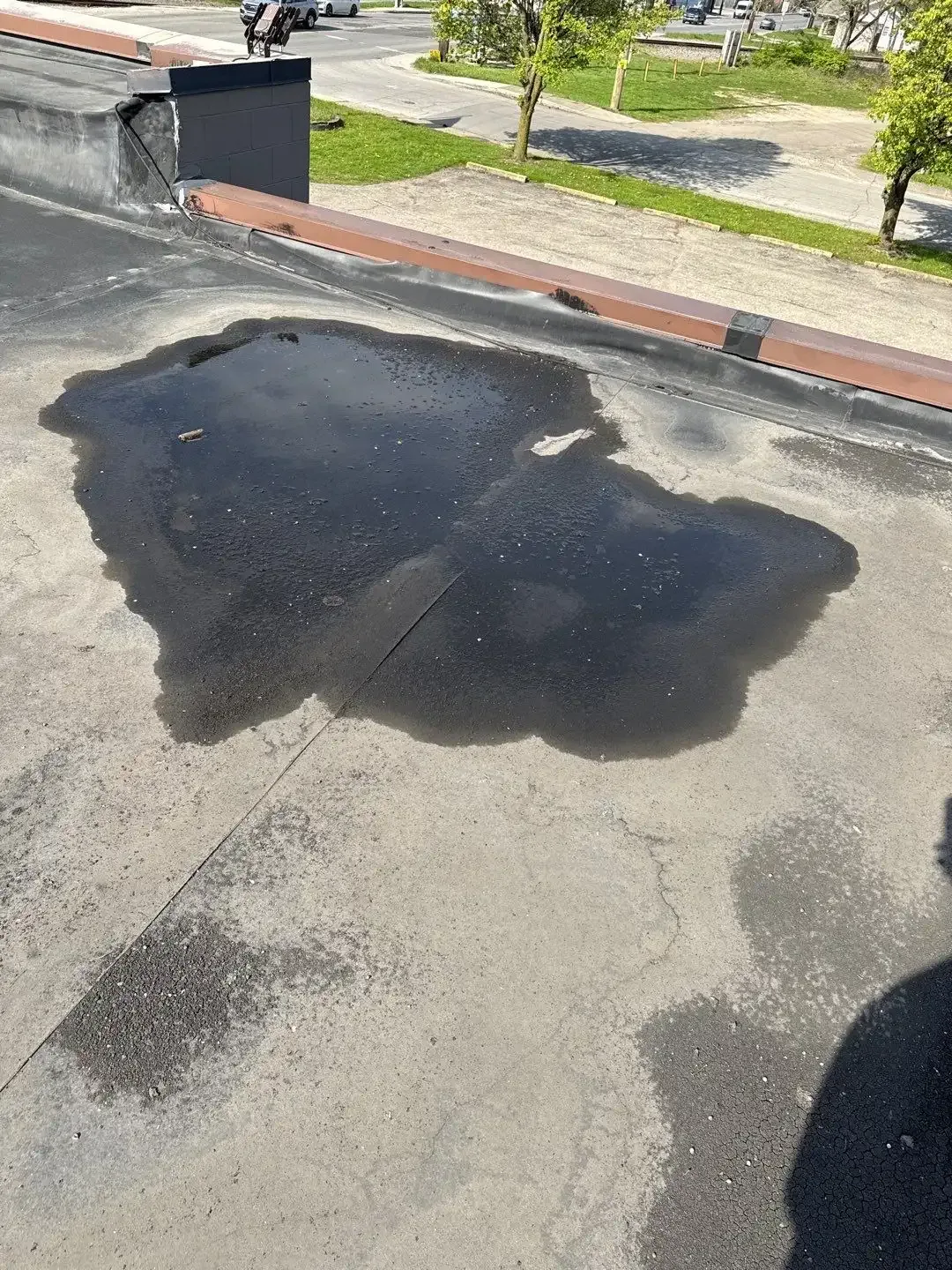
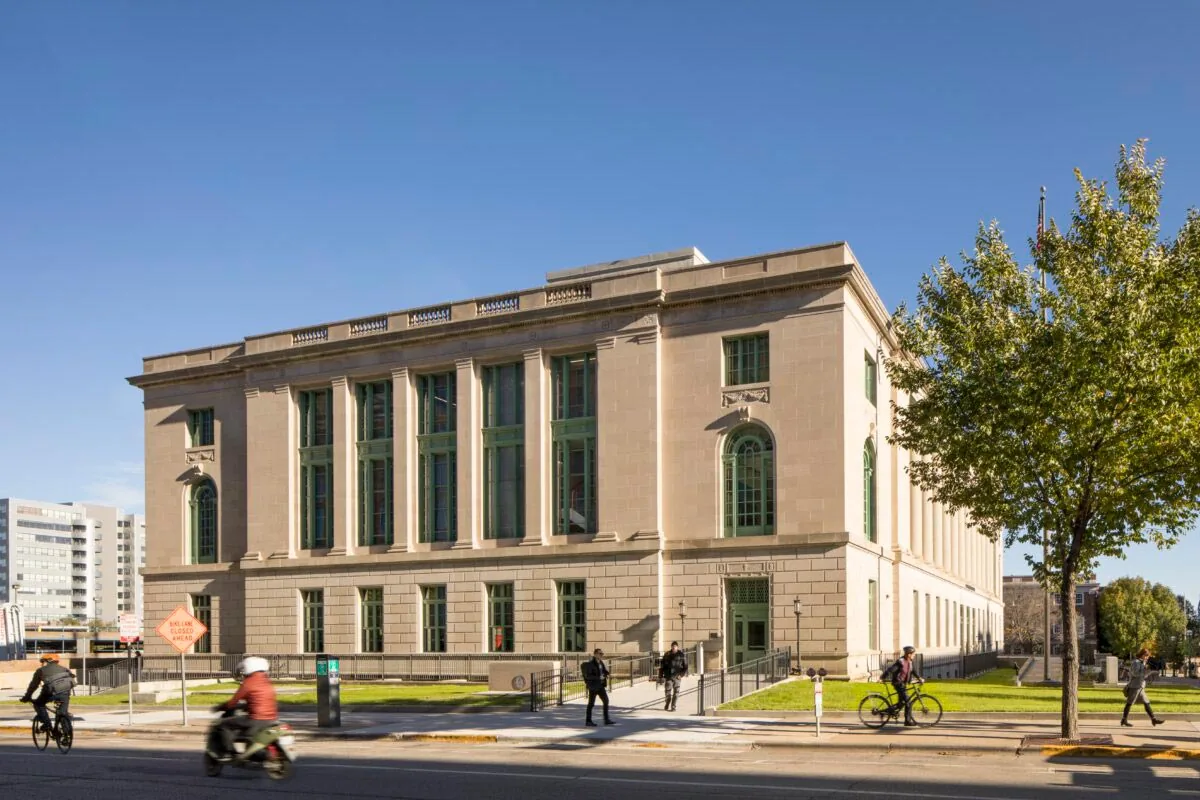
A useful first record shows the reported damage, surrounding roof condition, and any temporary protection already in place. We identify the building and roof section, photograph the defect from wide and close views, and mark the location on a plan or sketch. Existing wear, prior repairs, and active water paths are described separately. That record helps the owner distinguish what was observed after the event from conditions that were already present.

For active water, emergency response is available around the clock, including nights and holidays. We can install a temporary dry-in where access and conditions allow, then record its edges and monitoring needs. Permanent repair remains a separate decision. A storm damage roof assessment can document the condition, while emergency roof protection can reduce additional exposure during claim review.

Commercial Roof Insurance Claim Assistance

Tie each line item to a roof condition

Commercial Roof Insurance Claim Assistance

We describe the affected material, location, quantity or dimension when it can be measured, and the work needed to restore the assembly. A scope may include access, tear-off, substrate review, insulation replacement, flashing, membrane, and closeout. We distinguish a confirmed item from an allowance or condition that cannot be known until the roof is opened. The repair boundary is drawn to sound material, not expanded to unrelated areas without field support.

A claim review may involve an adjuster, owner representative, and facility staff with different questions. We can walk the visible damage with those parties and explain the roof detail, but the insurer determines its coverage position. If the opened area reveals wet insulation or a damaged deck, we photograph the exposed layers and request review of the added scope before proceeding. A roof condition report can keep photos and findings organized by location.

Separate event damage from deferred wear

A recent tear, bent metal, or displaced flashing may be consistent with a weather event, but the cause must be assessed from the roof itself. We note the condition, its edges, nearby attachment, and any signs of older deterioration. A brittle sealant bead or prior patch may need maintenance regardless of the claim. The file should not turn a general roof defect into event damage without evidence linking the two.

West Valley City’s northern industrial area includes trucking and distribution uses served by SR-201, Bangerter Highway, and I-215. That context can help schedule an inspection around loading, but it does not establish a roof’s age, system, or damage history. At an occupied Fairbourne Station property, we may need to coordinate interior observation with the building contact. A hands-on roof inspection can document conditions beyond the reported claim area if the owner needs a broader baseline.

Commercial Roof Insurance Claim Assistance

Keep the review organized

Claim reviews can move in stages. We label photos, keep estimates tied to marked roof areas, and record who approved temporary or permanent work. If the adjuster requests another view or a test cut, we coordinate access and explain how the opening will be restored. Any change in scope is documented with the condition that caused it. A dated record keeps the initial report, repair work, and later discoveries from becoming one undifferentiated file.

Beginning July 1, 2026, state law applies the 2024 IBC and IECC with Utah and local amendments under section 15A-2-103. That code context may matter when a project includes reconstruction or other regulated work, but it does not decide insurance coverage. We identify roof work questions for the project team to confirm with the appropriate authority. We do not present an insurance estimate as a code determination.

Protect the roof while decisions are pending

Open roof damage should not wait for every claim question to be resolved before basic protection is considered. We separate necessary dry-in from permanent repairs and record the temporary work, condition, and follow-up needs. The facility contact can monitor the interior area and report changes. If weather or unsafe access prevents a lasting detail, we explain what remains exposed and schedule the next roof visit when the work can be completed correctly.

A planned multi-building development such as 201 Mountain View Park represents a logistics setting where roof work may need to preserve daily movement between buildings. We confirm the specific site and route rather than assume a standard staging area. For a distribution center roof, we can coordinate work near loading areas. The documented scope can then be compared with repair options or replacement when the evidence shows a wider failure.

Deliver a record the owner can use

At closeout, we provide the photos, repair description, affected roof area, and conditions that remain outside the completed scope. If a temporary cover remains, it is identified with a monitoring step and planned return visit. The record notes which items were visible, which were exposed during work, and where confirmation is still needed. That gives property management a practical handoff without representing an insurer’s decision.

For a building near the North SR-201 industrial corridor, access or truck timing can be included where it affects follow-up. A roof capital plan may use the repair record to compare a claim-related repair with broader roof work. The documentation is useful even if the claim outcome differs from the repair recommendation, because it preserves the roof condition and the basis for the work.

Commercial Roof Insurance Claim Assistance

Common questions

Will you file the claim or negotiate coverage for us?

We document roof conditions and prepare repair information for the owner’s file. The policyholder submits the claim and the insurer makes coverage decisions. We can explain the roofing scope and respond to technical questions about observed damage, but we do not promise approval or a particular claim result.

What should be photographed before temporary repairs?

Capture the reported roof area, nearby details, interior water, and any loose material that can be documented safely. We also record temporary protection after it is installed. Do not climb onto a wet or unstable roof for photos. Our inspection can create a labeled record with wide context and close detail views.

How do you price work that is hidden under the membrane?

We identify visible work and list concealed conditions separately. Removal or a test cut may reveal wet insulation, cover board damage, or deck problems. We photograph those layers and define the added repair boundary for owner and insurer review before continuing beyond the approved scope.

Can emergency protection happen while the claim is reviewed?

Yes. When safe access and materials allow, we can install temporary dry-in to limit further exposure. We document its location, attachment, and any monitoring needed, then schedule permanent work after the roof conditions and approvals are clear. Emergency protection and the lasting repair are recorded as separate work items.

What if some roof wear existed before the event?

We describe visible prior wear and reported event damage separately. A repair may address both, but the scope identifies which condition each item corrects. If the cause or extent remains uncertain, we mark the area for testing or further review instead of assigning a conclusion beyond the evidence.

Build a clear roof claim record

ServicesRoof SystemsIndustriesProperty TypesService AreasDamage RepairCapabilitiesManufacturersContactAboutRequest a Roof Assessment555-555-5555
Call555-555-5555