Commercial Roofing for Retail and Restaurant Chains in West Valley City, UT

Coordinate retail and restaurant roof repairs in West Valley City with location-specific scopes, operating windows, access plans, and closeout records.

Set a store-by-store roof plan

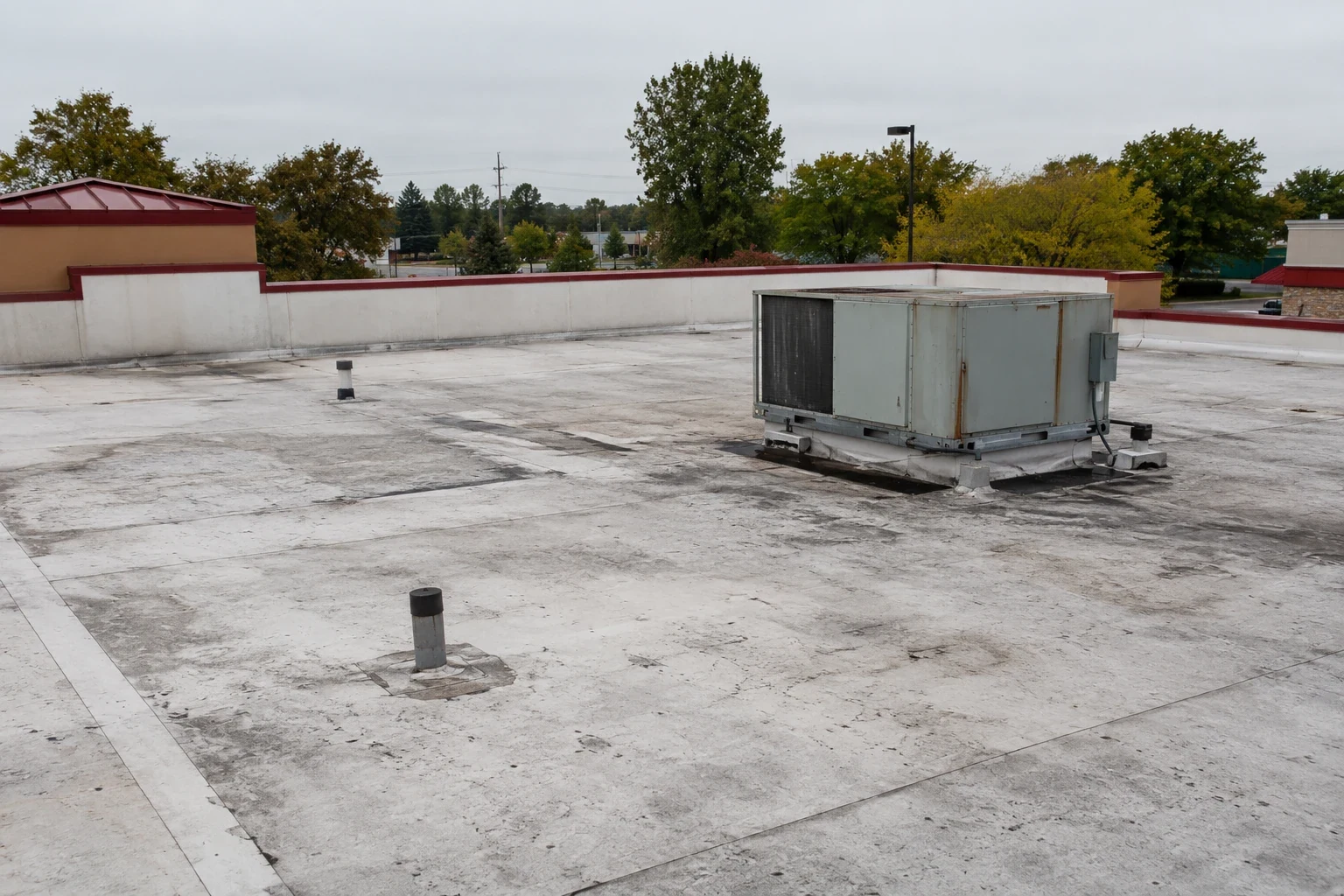
Before a chainwide visit, we check whether one kitchen exhaust curb has a local flashing failure. We inspect the failed detail and map each affected location before applying one chain-wide response. For West Valley City chain locations, reporting can be consistent while each store keeps its own delivery limits and roof repair boundary.

We record the issue, access limit, equipment, and condition that would change the scope. That lets a facilities team compare sites without assuming the same roof assembly or cause. A commercial roof inspection can establish a location-level baseline before the chain authorizes repairs or schedules a broader phase.
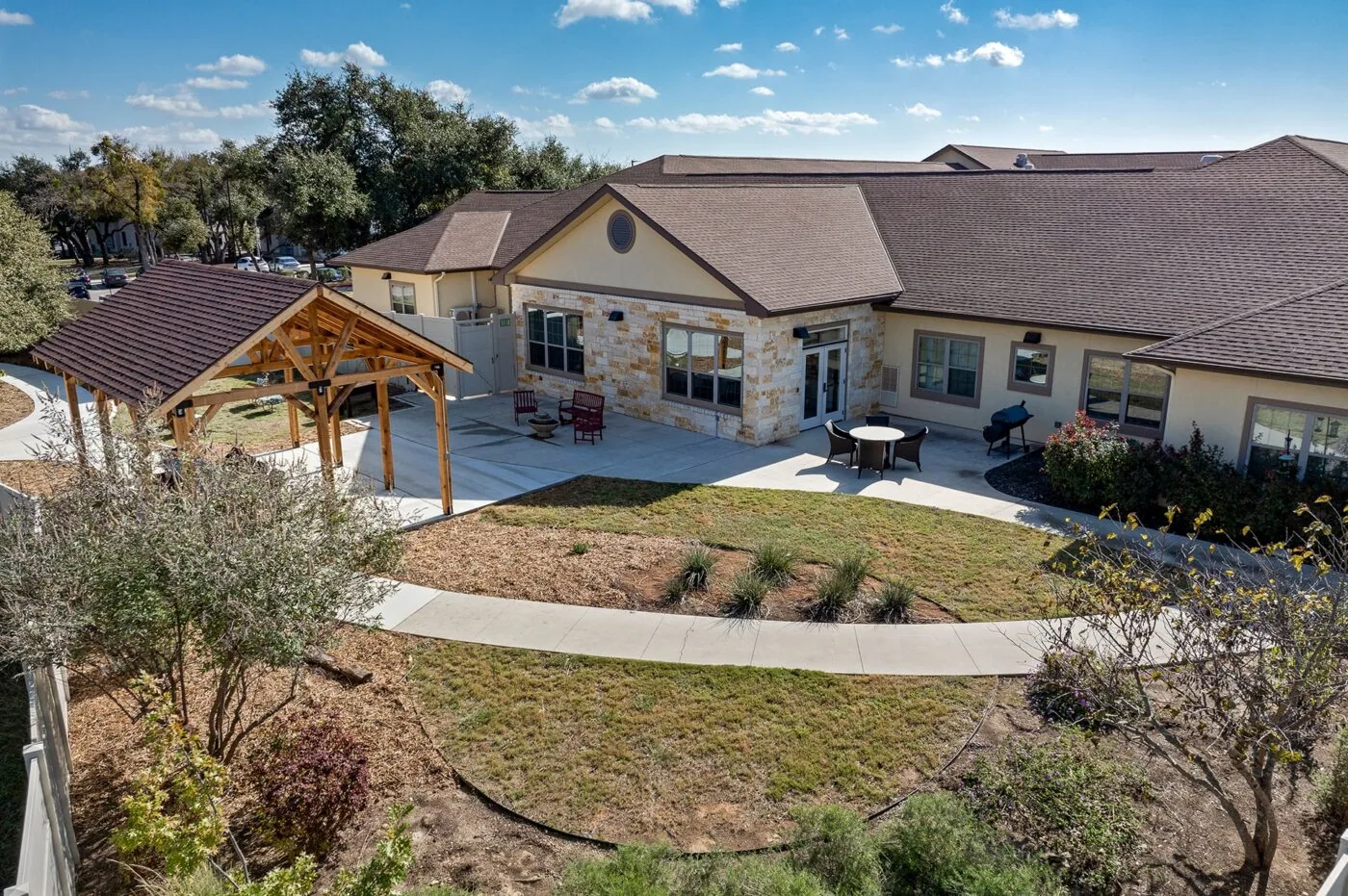
Store identifiers, leak dates, and closeout photos should point to the correct roof area. We label the building, seam, drain, curb, and any test cut before reporting findings. A recurring report from two locations may describe different failures. One could have a loose drain ring, another a wet insulation section. We keep those records separate while using common terms for the operations team.

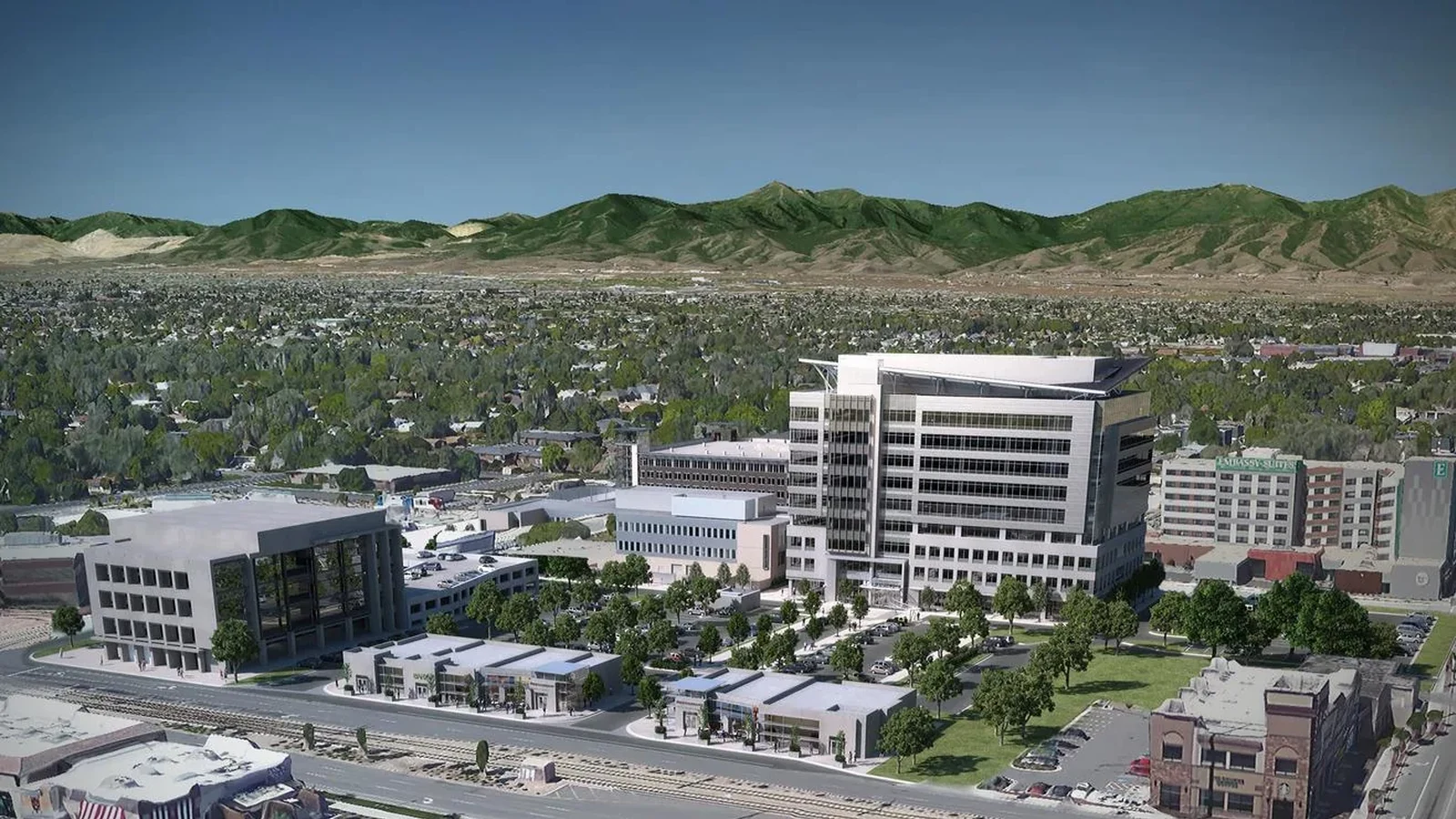
The Fairbourne Station plan combines civic, retail, office, hotel, and multifamily components in a single mixed-use district. Its station-area plan also includes medical-office, plaza, and park uses. For a nearby property, the manager confirms the tenant layout and roof plan before we stage work. A Fairbourne Station property visit starts with the actual roof plan and the manager’s access notes.

Retail and Restaurant Chains

Set work around customers and deliveries

Retail and Restaurant Chains

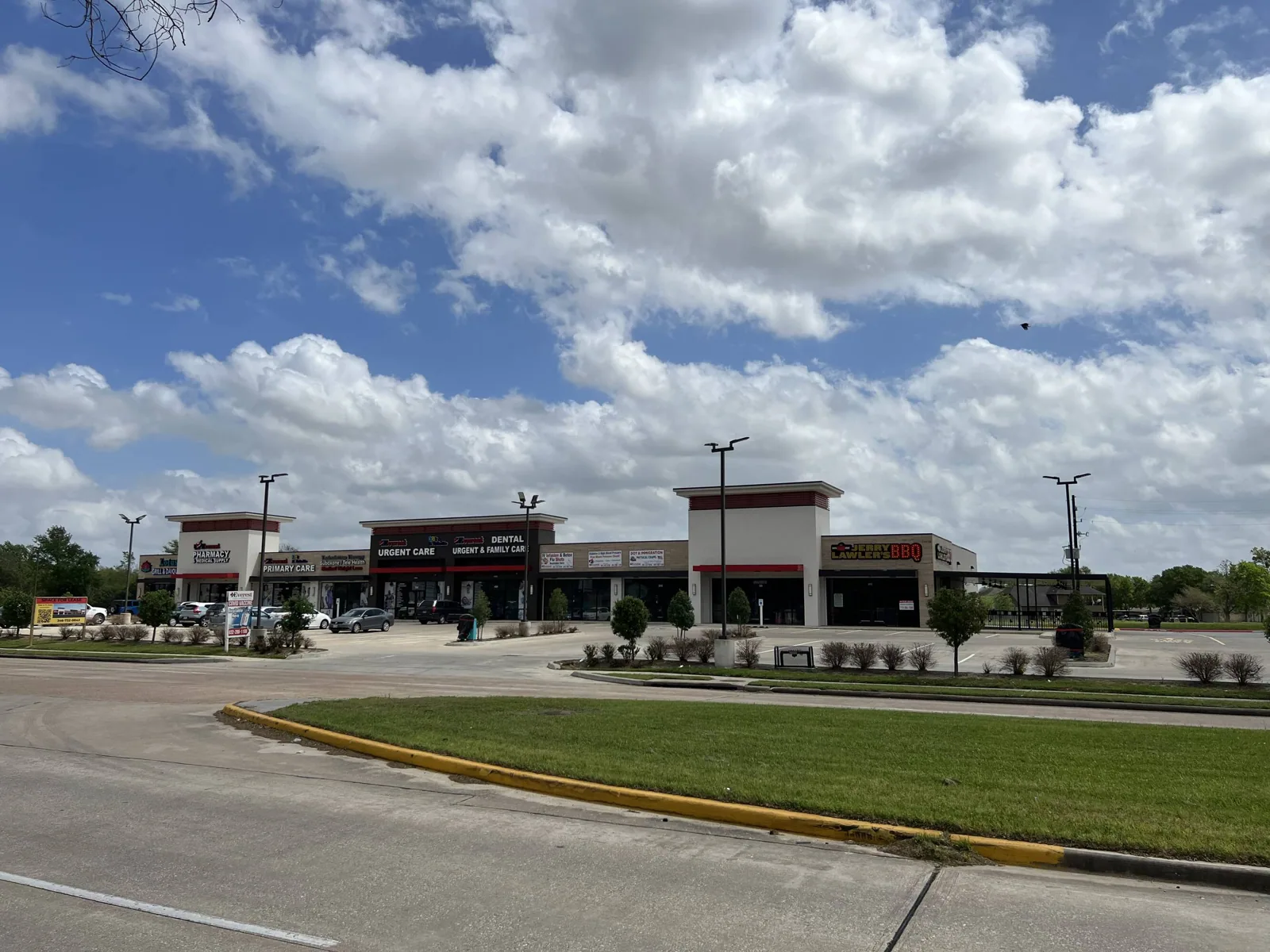
A lift near a storefront can affect customer parking, delivery access, and employee entrances at once. We identify the route, staging area, debris exit, and work hours with the site lead. Restaurant exhaust or refrigeration service may need a separate shutdown window. The schedule names which doors remain available and where temporary barriers will stand. The crew keeps the exposed roof inside the boundary that can be closed before opening.

West Valley City’s plan gives selected 3500 South parcels mixed commercial and residential designations beside a major arterial. Its transit connection serves activity centers, but individual stores still set receiving times and customer access. We confirm those details during the site walk. An hospitality roof coordination plan may share guest-access concerns, while chain locations also need a consistent handoff to store managers and regional facilities staff.

Match the repair to the roof system

Different locations can have different membrane types, repairs, and roof ages. We identify the existing assembly before selecting a patch, recover, coating, or replacement. The repair needs a compatible bond and a sound substrate. If test cuts show wet insulation beyond a localized area, we mark the expanded limit rather than repeating a surface patch that leaves moisture in place.

A chain can set common closeout fields without forcing identical scopes. We record materials, drainage, access conditions, and any open question for each site. If a restaurant has equipment-dense areas, a restaurant roof scope can detail its curb and exhaust transitions. A retail property assessment may need tenant entrances and shared staging. The building survey determines which details apply.

Retail and Restaurant Chains

Use weather windows without assuming roof conditions

Long-term normals at Salt Lake City International Airport put July's daily high at 94.0°F and August's at 91.7°F. We check each store’s roof conditions and the product instructions before setting an adhesive or coating work window. A chain with several open repair areas may need a daily sequence that limits how much membrane remains exposed.

Annual snowfall in the airport station's 1991-2020 normal is 51.9 inches; January's mean snowfall is 12.70 inches. At each store, we inspect outlets, low areas, and edge metal before setting the repair boundary. We inspect the actual roof, record blocked drainage or loose details, and mark what needs repair. A preventive roof visit can put those checks on a location schedule before an active leak changes the plan. For each store, the work order should identify the roof section, affected outlet or edge, and access window approved by store staff. That record helps the next visit start with a known repair boundary.

Compare repair costs across locations

Cost varies with membrane area, insulation removal, drain corrections, equipment coordination, lift reach, and store access. Each roof zone gets its own confirmed quantity, with concealed work held for approval. The regional team can compare locations while preserving each site’s scope. An estimate should state whether materials, after-hours access, or a shutdown are included, and what would require approval after removal.

SR-201, Bangerter Highway, and I-215 serve access to West Valley City’s industrial areas. The Green Line, UTA Intermodal Hub, and 3500 South transit corridor link employment and activity centers. For store visits, the property’s delivery gate and receiving schedule determine material arrival. We coordinate material arrival with the store contact and mark any ground closure. A replacement option can compare phased removal with a local repair when recurring leaks or moisture justify a broader project. We can sort locations by active leak, tested moisture, and deferred maintenance rather than by sales volume or a single age estimate. The regional contact sees which findings support immediate action and which can wait for a scheduled visit. A changed roof condition resets that sequence. Closeout records show when access returned.

Give managers one usable closeout

Each completed site should have a marked plan, photos, repair materials, drain findings, and deferred items. We note the exact zone released and any maintenance step that remains. The regional facilities lead can roll that information into a portfolio register without losing site-level detail. A roof condition record keeps inspection observations and work history together.

Transit access to West Valley City employment centers includes the Green Line, UTA Intermodal Hub, and 3500 South corridor. The area connections can help frame vendor and staff movement, while the store controls the actual work window. For an operator managing multiple real estate types, a managed-property roof register can organize location status without replacing individual closeouts. Store teams receive only the access and follow-up details they need.

Retail and Restaurant Chains

Common questions

Can one roof standard apply to every chain location?

A common inspection and closeout format can apply, but assemblies and defects vary by building. We record the system, leak area, and access limits at each site. The repair scope follows those findings instead of extending a patch specification to roofs that have not been inspected.

How do you keep repair work from disrupting store hours?

The manager identifies delivery, customer, and service windows before we stage equipment. We map lift access, barriers, and debris removal around those routes. If equipment must stop, the plan identifies the unit and timing. Each shift closes the exposed roof area inside a protected limit.

What is needed to compare roof costs across locations?

Use consistent scope labels for membrane, insulation, drains, equipment, access, and concealed conditions. We price confirmed areas by site and show what still needs testing. Regional staff can compare cost drivers without treating one store’s roof condition as representative of another.

How are kitchen exhaust or refrigeration leaks handled?

We inspect curb corners, flashing laps, nearby seams, and insulation below the unit. If removal or equipment movement is needed, we coordinate the mechanical trade and set a dry-in line. The estimate shows roof work separately from equipment shutdown or restart responsibilities.

What should store managers receive after a repair?

Give each manager the repaired locations, photos, material changes, drain findings, and any item deferred. We note the access area that returned to normal use and who needs to follow up. Regional staff can then maintain a portfolio record with reliable site details.

Set a store-by-store roof plan

ServicesRoof SystemsIndustriesProperty TypesService AreasDamage RepairCapabilitiesManufacturersContactAboutRequest a Roof Assessment555-555-5555
Call555-555-5555