Restaurant Roofing in West Valley City, UT

Address restaurant roof leaks in West Valley City with attention to kitchen exhaust, curb flashing, drains, and service access. Set a clear repair boundary.

Define the restaurant roof work window

A grease-stained exhaust curb can hide a loose membrane edge where the roof turns up the equipment base. We check that transition before pricing a patch. In West Valley City, UT, restaurant roof work also has to keep staff, deliveries, and customer entrances in view. We mark the roof limit and the ground access plan together. The kitchen’s service window sets when each area can be opened.

Kitchen exhaust, makeup-air units, pipes, and drains interrupt the roof field in concentrated areas. A leak may appear inside near a hood while water entered along a seam or curb above it. We compare the interior report with the roof details and expose only what testing can clarify. A commercial roof inspection records the starting condition before repair or replacement options are priced.
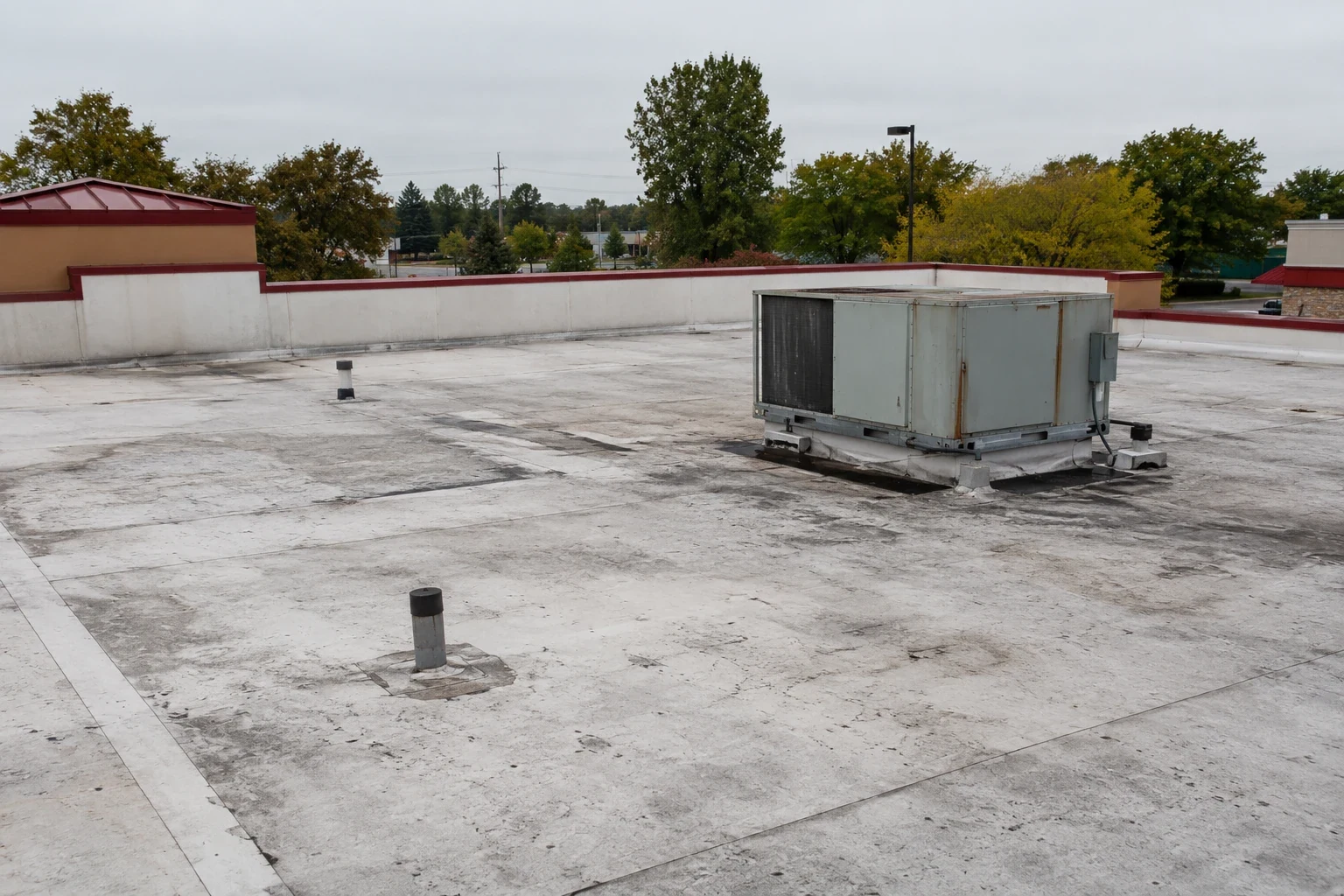
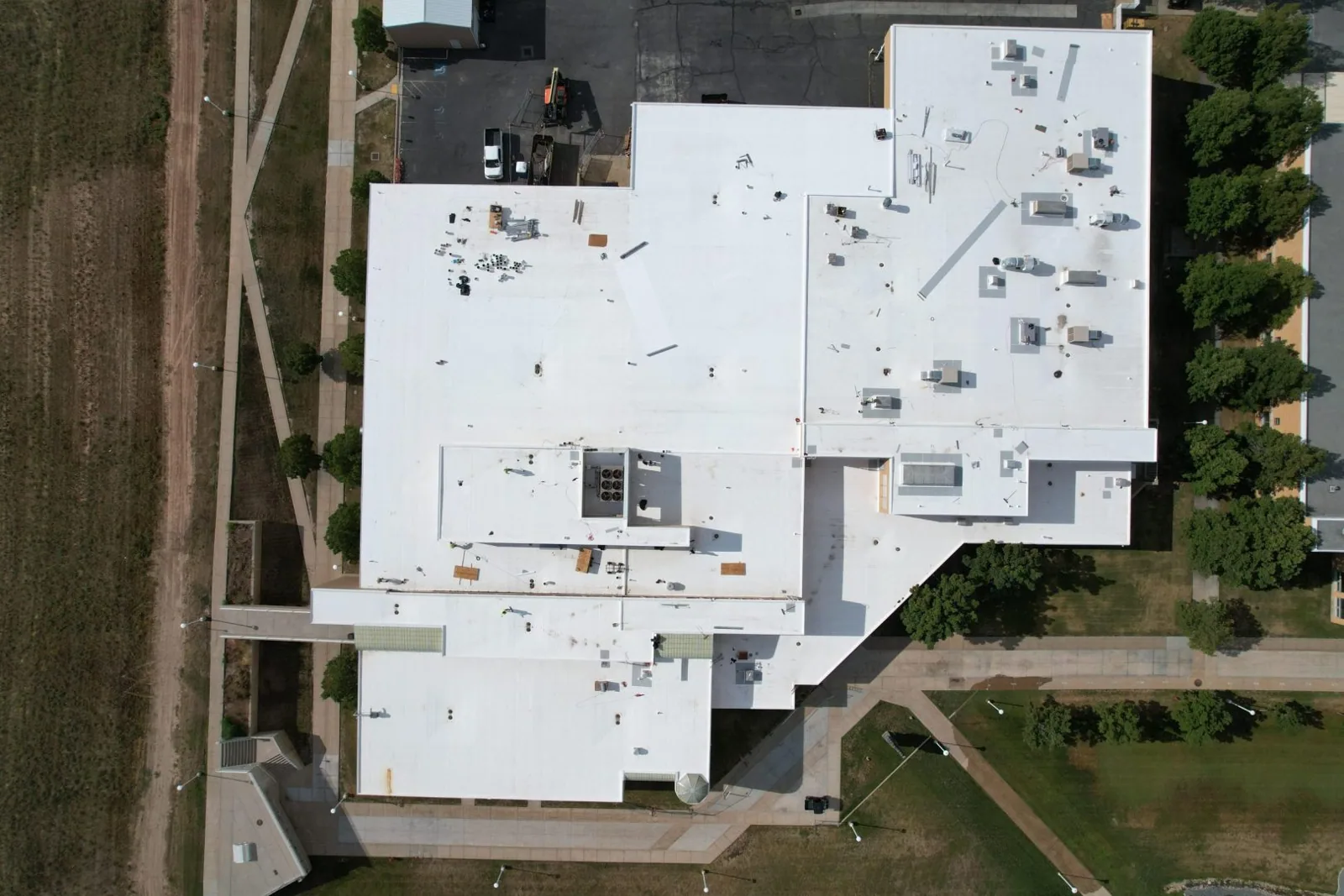
Kitchen exhaust can leave residue near the fan housing and curb. We look for a hardened or separated seal, open corners, membrane wear, and fasteners that have backed out. If grease or cleaning compounds have contacted roof material, we identify the affected area before selecting a compatible repair. The repair boundary should include the failed transition and sound material around it, not an arbitrary square around the stain.

A fan replacement or duct service can change how the curb is loaded and where trades need access. We confirm which unit may move and when the opening can be protected. A curb flashing repair should coordinate with the mechanical contractor so a new unit does not disturb finished membrane. We document the curb corners, nearby seams, and any support work that remains outside the roofing scope.

Restaurant Roofing

Track water through the low point

Restaurant Roofing

Food-service roofs may collect debris near drains and equipment screens. We inspect the drain bowl, clamping ring, strainer, and low field for loose material or standing water. A drain that is slow to clear can leave water against seams longer than intended. We check whether the membrane is still attached and whether insulation below the low point is wet. A test cut helps set the limit when surface evidence is inconclusive.

Repairs should address the entry point and the route water can follow. We separate a blocked drain, a failed bowl connection, and a wet insulation area into distinct findings. A drain and scupper service can restore the outlet or repair the membrane connection. When a low area continues to hold water, the ponding-water repair scope may require a broader look at slope and drainage before choosing the patch size.

Protect the kitchen and delivery window

Roof access may cross a delivery lane, employee entrance, or customer patio. We identify the route for ladders, material lifts, and debris before placing barriers. If a fan shutdown or hood service is required, the restaurant sets the operating window with its kitchen lead. We keep the open roof area inside the agreed dry-in line and make sure the shift ends with the membrane protected.

West Valley City identifies 3500 South as a major arterial with selected mixed commercial and residential uses along the corridor. That context can help with approach planning, but the restaurant’s delivery schedule and roof access point determine the sequence. A 3500 South area roof plan can be coordinated with the site walk. We confirm where equipment can be staged without blocking emergency access or the path used by kitchen suppliers.

Restaurant Roofing

Match the work to roof conditions

Summer surface heat can change how adhesives handle and how long a crew can keep a work area open. July and August airport-station high normals are 94.0°F and 91.7°F, in that order. Those airport records give seasonal context; we measure roof surface and substrate conditions at the restaurant. The product instructions and observed surface govern application and the daily stop point.

Cold weather can expose weak edges and slow drainage after snow or meltwater. The same station has a normal annual snowfall of 51.9 inches, with 12.70 inches as its January mean. We use that pattern when planning seasonal drain and perimeter checks. The roof itself determines what needs repair. A roof inspection can document a loose edge, blocked bowl, or related damage before the restaurant schedules other trades.

Choose between repair and replacement

A repair can remain local when the surrounding membrane is sound and the insulation is dry. A wet core that extends beyond the curb, repeated leaks at several penetrations, or broad seam failure can move the tear-off limit. We map each affected zone and separate known work from concealed conditions. A commercial roof repair scope should state its limit and what evidence would expand it.

Fairbourne Station is a planned transit-oriented district with retail, office, hotel, civic, and multifamily development. That mix illustrates why access requirements vary across nearby commercial uses, while the restaurant’s own roof determines the system and repair choice. If repeated repairs are no longer containing moisture, a shopping-center roof scope offers a useful comparison for coordinated tenant access. A grocery-store roof assessment also considers equipment-dense areas, though restaurant kitchen exhaust has its own service pattern.

Record what changed on the roof

We leave a record of completed repairs, drain condition, material used, and any area deferred for later work. Closeout photos show the curb, exhaust transition, seam, and edge after the repair. The manager can use that record to compare a future water report with the current condition. A roof condition report keeps findings and follow-up items together for maintenance or budgeting.

Fairbourne Station’s mix includes hotel and multifamily uses alongside retail and office buildings. For a restaurant nearby, that setting can mean shared pedestrian or service routes, but we confirm the site’s actual access plan before mobilization. We identify which entrances stay open, where debris leaves, and who accepts the roof closeout. If the property sits near Fairbourne Station, the building-specific survey still sets every repair boundary.

Restaurant Roofing

Common questions

Can a kitchen exhaust fan leak even if the fan still runs?

Yes, the fan can operate while its curb flashing has opened or pulled away. We inspect the curb base, corners, fasteners, and membrane nearby, then check whether insulation is wet. If equipment work is planned, we coordinate the roof opening and dry-in with the mechanical trade.

How do you keep a roof repair from disrupting food service?

The restaurant identifies its kitchen, delivery, and customer access windows. We set the lift location, material route, and any shutdown around those limits, then keep the exposed roof area within a protected boundary. If work needs a temporary closure, the affected entrance or service route is named before the crew arrives.

What makes an exhaust curb repair larger than a patch?

A larger scope may be needed when wet insulation extends from the curb, the membrane has separated along nearby seams, or several units have similar failures. We use a test cut where it will clarify the limit. The estimate lists the known repair area and concealed conditions separately.

Should a restaurant repair its roof drain during the same visit?

A drain with a loose ring, damaged membrane, or a slow outlet can affect the same low area as a reported leak. We inspect the bowl and surrounding field together. If the drain defect is confirmed, including that work can avoid leaving a nearby water path unresolved.

What information should be in the roof closeout?

Keep the repaired locations, materials, drain findings, photos, and any deferred areas in one record. We note the access route and work boundary used. That gives the facilities contact a clear baseline for maintenance and helps a future inspection compare the roof with the condition left at closeout.

Define the restaurant roof work window

ServicesRoof SystemsIndustriesProperty TypesService AreasDamage RepairCapabilitiesManufacturersContactAboutRequest a Roof Assessment555-555-5555
Call555-555-5555