Grocery Store Roofing in West Valley City, UT

Plan grocery store roof repair in West Valley City around refrigeration equipment, receiving lanes, drains, and customer access. Get a defined repair limit.

Set the grocery roof repair boundary

A dark ring at a refrigeration curb can point to a loose corner, a wet insulation layer, or water moving from a nearby drain. We check the curb base, seam, and drain bowl before opening the roof. In West Valley City, UT, grocery work also has to account for receiving traffic and customer entrances. We mark the repair boundary first. The store’s operating window then sets the sequence.

Long roof fields, refrigeration equipment, exhausts, and roof drains create several possible leak paths. A ceiling stain alone does not tell us which layer failed. We compare the interior location with roof conditions and use a test cut when it will change the repair limit. A commercial roof inspection can document those findings before the store chooses a repair or larger scope.
Refrigeration lines and service work can crowd the area around rooftop equipment. We inspect the curb corners, membrane transition, counterflashing, and nearby seams for open laps or patched surfaces. If the curb shifts or the flashing has separated, water can enter at the edge even when the equipment itself runs normally. We photograph the condition before removing material, then confirm whether insulation below it is dry.

Work around a unit may require a mechanical shutdown or a protected path for technicians. We identify the equipment affected and coordinate the roof opening with the store contact. The repair should not leave a curb exposed at shift change. A curb and support repair can address the roof transition while the equipment trade handles its own connections. Each responsibility stays clear in the work plan.

Grocery Store Roofing

Follow water to the drain bowl

Grocery Store Roofing

A drain can look clear at the grate while debris or a crushed line slows flow below it. We inspect the bowl, clamping ring, membrane termination, and surrounding low area. A soft spot or open lap beside the drain calls for a closer check of the insulation. If moisture extends beyond the bowl, we widen the test area before pricing a patch. The marked scope shows where sound material begins.

Grocery roofs carry exhaust discharge, refrigeration condensate, and routine service traffic in distinct zones. We separate those sources from rainwater entry rather than treating every wet area as the same defect. A drain and scupper correction can include clearing, repair, or membrane work depending on what the roof shows. Low areas may also call for a broader drainage correction.

Keep receiving and customer routes clear

Delivery trucks, staff entrances, and customer parking can share a tight ground area. Before lifting materials, we identify where trucks turn, where debris will leave the site, and which doors must remain accessible. If the receiving dock needs a short closure, the store contact can set the time and alternate route. Barriers and signs follow that schedule. The roof crew keeps its staging area inside the agreed limit.

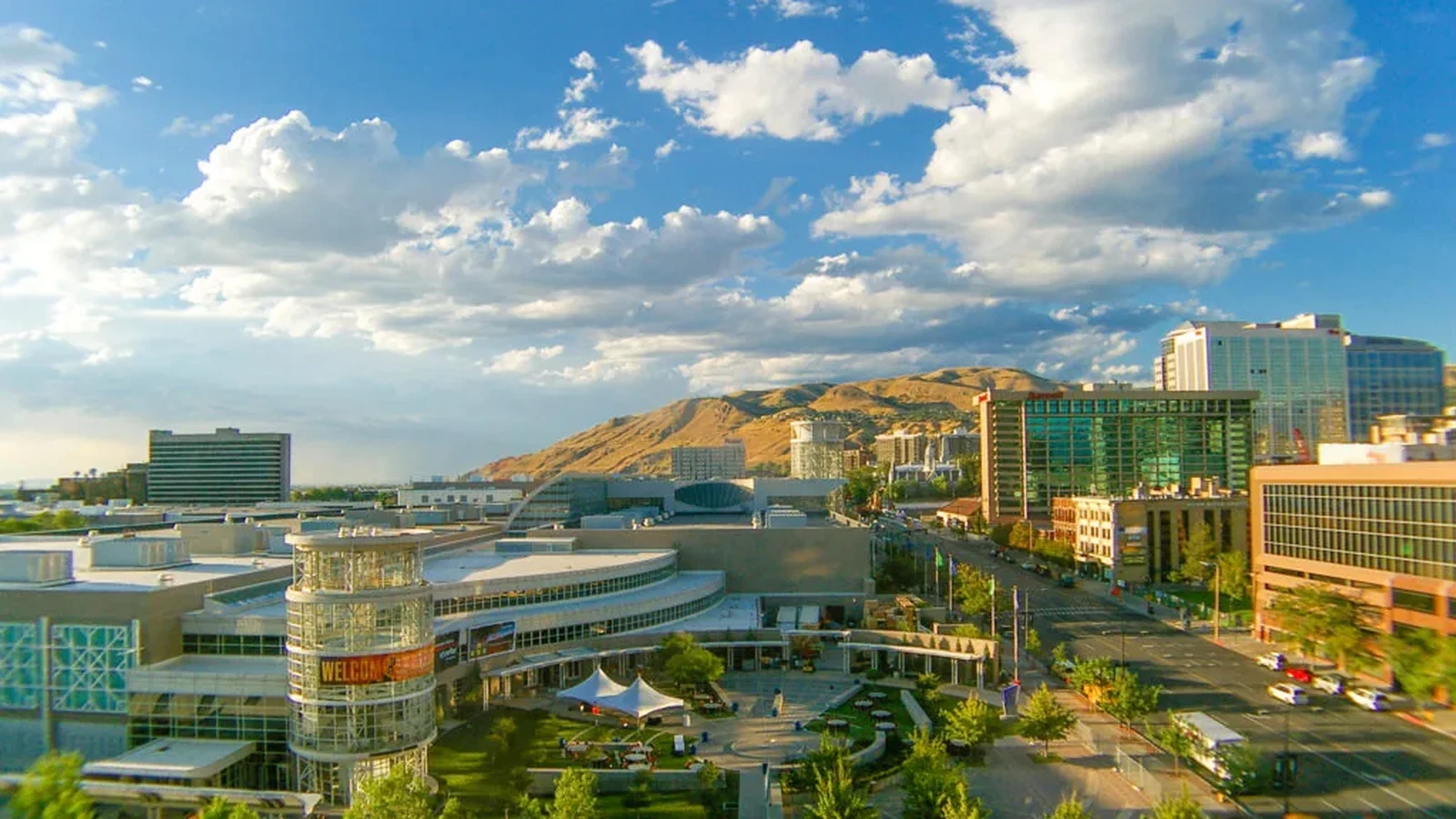
West Valley City’s 3500 South corridor is a major arterial and includes selected mixed commercial and residential designations. That setting makes access planning relevant for properties near the corridor, but each store’s actual loading area controls the job. We confirm delivery hours, lift reach, and emergency lanes at the building. A 3500 South corridor location plan can help frame the area, while the site walk determines where roofing materials can safely move. A shopping-center roof plan may need to preserve several tenant entrances, unlike the single-store receiving sequence considered here.

Grocery Store Roofing

Set a workable installation window

Hot membrane surfaces can change adhesive handling and how long a crew can work an exposed area. For July and August, the airport station’s normal daily high is 94.0°F and 91.7°F, respectively. We use the airport readings as broad seasonal context, then check roof surface and substrate conditions at the property. We follow the selected system’s limits and set a dry-in line that the crew can protect before leaving.

Cold periods bring a different check. The same station’s climate normal includes 51.9 inches of annual snowfall, with a January mean of 12.70 inches. We consider that seasonal context while checking drains and edge details. We look for blocked bowls, loose metal, and transitions that may hold water before selecting a repair window.

Compare a local repair with a larger scope

A puncture beside a curb may remain a contained repair when the surrounding membrane is attached and the insulation is dry. Multiple wet cores, recurring seam failure, or weak attachment can move the tear-off limit. We record the condition by roof zone and separate confirmed work from concealed conditions. A commercial roof repair should state what is included, where it ends, and what would trigger additional work.

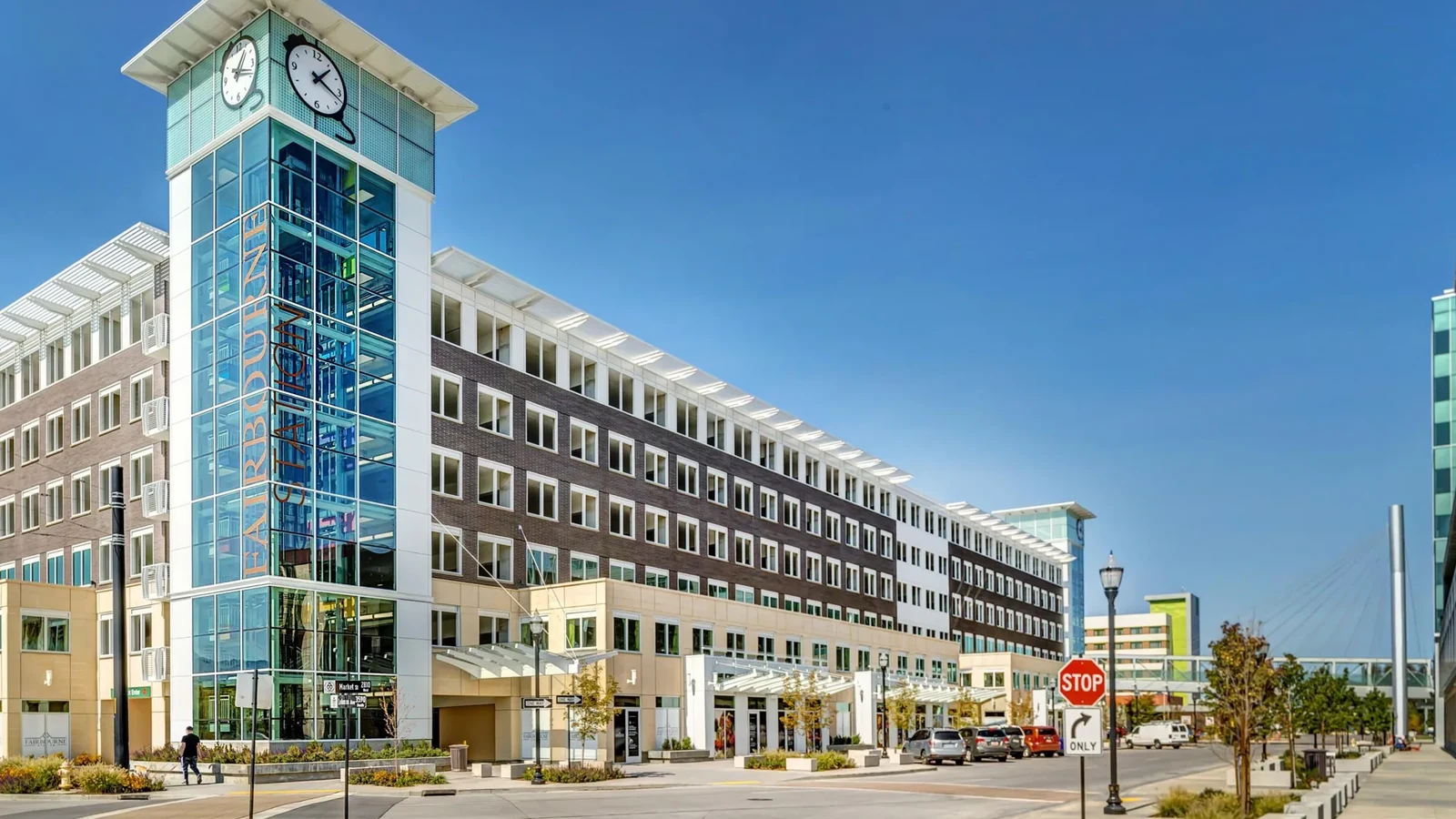
Fairbourne Station’s planned district includes retail, office, hotel, civic, and multifamily uses. Its mix shows why nearby properties can have different access and operating needs; it does not determine the roof system at a grocery store. We base the option on field evidence. If wet insulation extends through several areas, a larger retail reroof scope can show removal, deck review, and new roof work as separate decisions.

Leave a roof record the store can use

At closeout, we list repaired zones, drain conditions, replaced material, and any boundary left outside the work. Photos show the curb corners, seam, drain, and edge before access equipment leaves. That gives the facilities contact a starting point when a future leak appears. A roof condition record can keep those observations organized with the repair areas and follow-up items.

North of the city, the SR-201 corridor serves trucking and distribution businesses, while West Valley City’s arterial network connects employment and commercial activity. Those area facts may help with regional access planning, but the store’s loading plan decides the work window. We confirm the delivery gate, staging point, and emergency route during the site walk. The same check keeps route access and site constraints distinct.

Grocery Store Roofing

Common questions

What should happen when a leak appears beside refrigeration equipment?

Start with the curb base, nearby seams, and the drain path. We compare those roof conditions with the interior report, then open a test area if it will show whether insulation is wet. The repair limit follows the confirmed damage. We also coordinate any unit shutdown before flashing is removed.

Can roof work happen without closing the receiving dock?

A dock can often remain active when lift placement, delivery timing, and debris removal are planned around the truck path. We confirm which door has to stay clear and whether a brief closure is needed for a lift. The store sets its operating window; the crew marks the protected ground and roof zones.

How do you know if a roof drain is causing the leak?

Water marks near a drain are a clue, not a complete diagnosis. We check the bowl, clamping ring, membrane edge, and low area, then look for wet insulation beyond the opening. If the condition extends outward, we expand testing before setting the repair boundary.

What makes a grocery roof repair cost more?

Equipment density, insulation removal, access limits, and the number of active roof zones change labor and material needs. We separate the confirmed patch from lift time, drain correction, and any test cut. Concealed damage stays outside the known scope until it is exposed and recorded.

When is replacement a better decision than another repair?

Repeated leaks across several zones, widespread wet cores, or membrane attachment problems may support a broader project. We compare that evidence with the repair history and the condition of the surrounding field. The estimate identifies removal and dry-in limits so the store can weigh the schedule against continued local work.

Set the grocery roof repair boundary

ServicesRoof SystemsIndustriesProperty TypesService AreasDamage RepairCapabilitiesManufacturersContactAboutRequest a Roof Assessment555-555-5555
Call555-555-5555