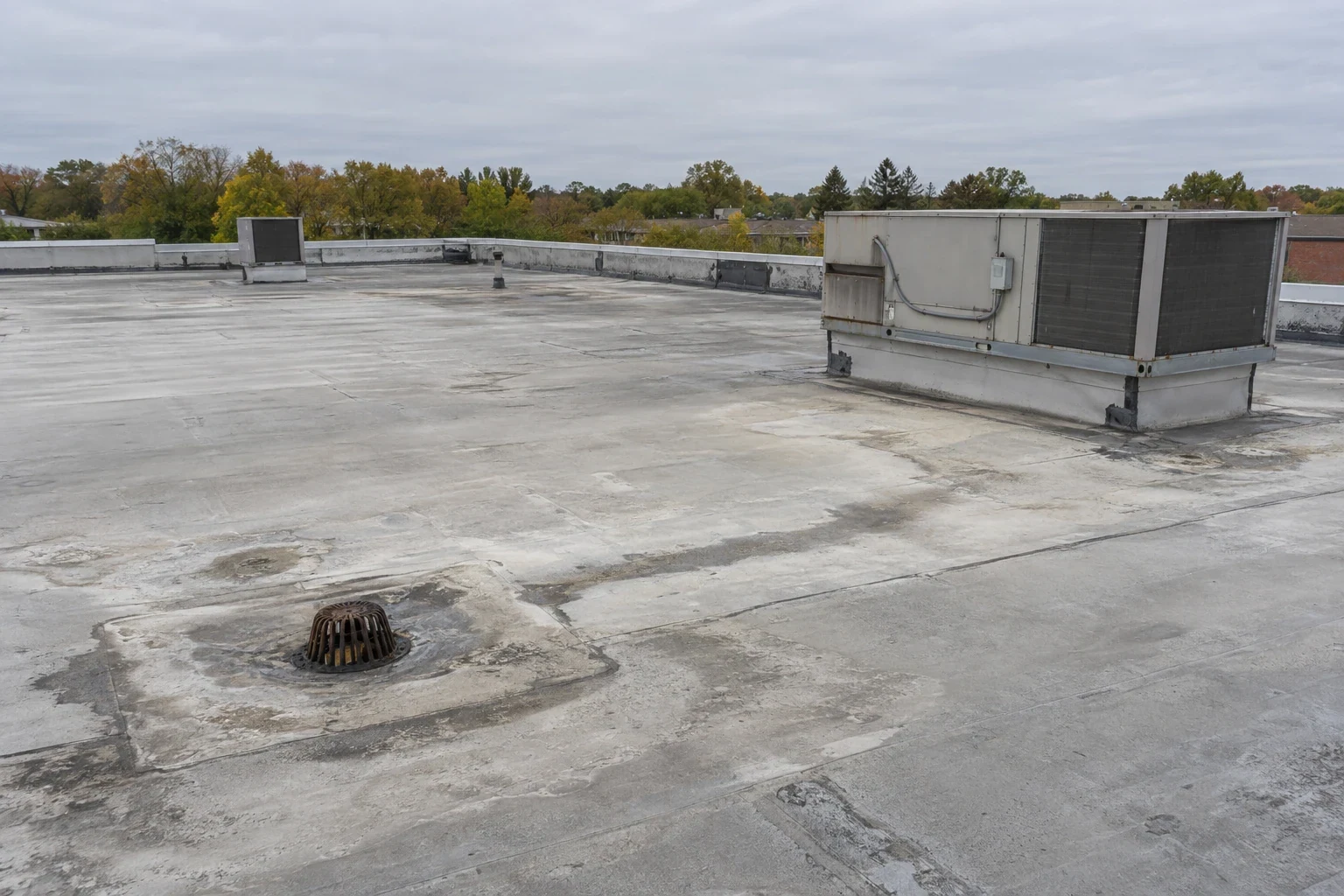
Church Roofing in West Valley City, UT

Repair and maintain church roofs in West Valley City with attention to occupied rooms, worship schedules, drainage, and safe access around the building.

Set a church roof inspection window

A leak above a sanctuary can leave water near lighting, sound equipment, or a finished ceiling before anyone sees the roof opening. We inspect the roof detail over the affected room, trace nearby seams and drains, and set a repair boundary that fits the building schedule. In West Valley City, UT, a congregation near Fairbourne Station may share active pedestrian routes with civic, retail, and residential uses. We plan arrival and staging with the site contact before bringing equipment to an entry.

Church buildings can include worship space, classrooms, kitchens, offices, and fellowship rooms beneath one roof. Each use changes what can remain open during repair. We ask which rooms are occupied, when services or programs take place, and where interior protection is needed. The roof condition then determines whether the work is a local patch, flashing repair, or a larger replacement. If testing finds wet insulation, we document the limit and get approval before opening more area.
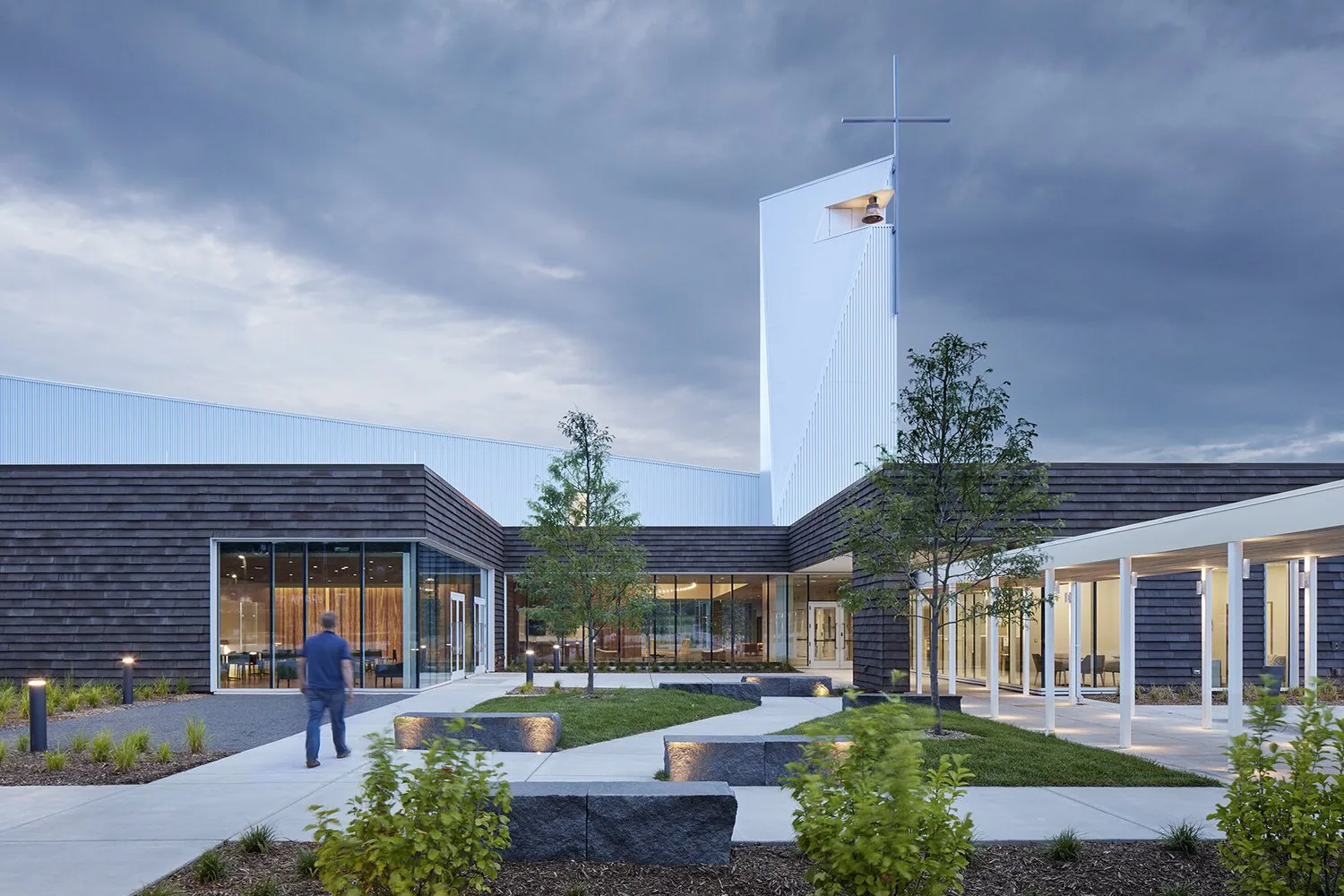
A crane or lift set beside the main doors can interfere with arrival, deliveries, or emergency access. We confirm service times, weekday programs, parking routes, and the door that must stay clear. The roof sequence is divided so removal and dry-in finish before the next occupied period. If a room needs to close temporarily, the church contact decides where that boundary can sit and how it will be communicated.

Some repair work can be scheduled outside peak use, but weather and safe drying limits still control the open section. We identify noisy removal separately from quieter fastening or flashing work. A phased reroof for an occupied building can document these windows before materials arrive. That schedule also accounts for roof access and any interior protection needed below the repair. We update the contact if a hidden condition would change the planned daily closeout.

Church Roofing

Inspect transitions above varied rooms

Church Roofing

A sanctuary roof may meet lower classroom wings, vestibules, or additions at several transitions. We inspect wall flashing, parapets, expansion joints, curbs, and penetrations before choosing a patch. A split at one junction can send water toward a distant ceiling. We trace the path and compare it with any prior repair record. If the membrane is sound outside the detail, the work can remain local rather than replacing an unrelated section.

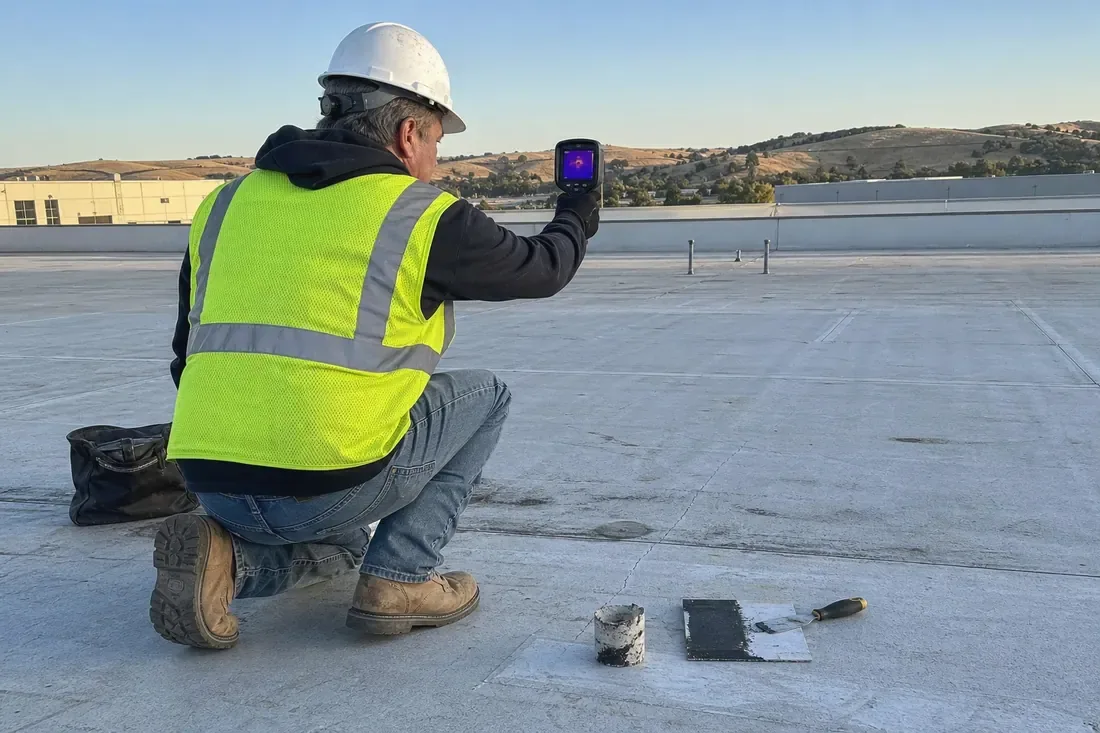
Lighting, HVAC, and sound equipment can create roof openings or interior sensitivity below. We coordinate shutdowns with the facility contact and protect wiring or equipment where the work crosses above it. A penetration flashing repair can address a failed curb or opening after inspection. For broader roof concerns, a hands-on inspection records the field, perimeter, and transitions by section. We identify what is visible and what needs a test cut.

Check the drains before treating the stain

A blocked drain can redirect water toward a wall or low roof junction. We inspect the bowl, scupper, sump, and visible slope, then note debris or standing water. If an outlet sits below a settled area, clearing the bowl may not restore flow. We price drainage correction separately from membrane work so the congregation can see which item changes the water route and which closes the roof opening.

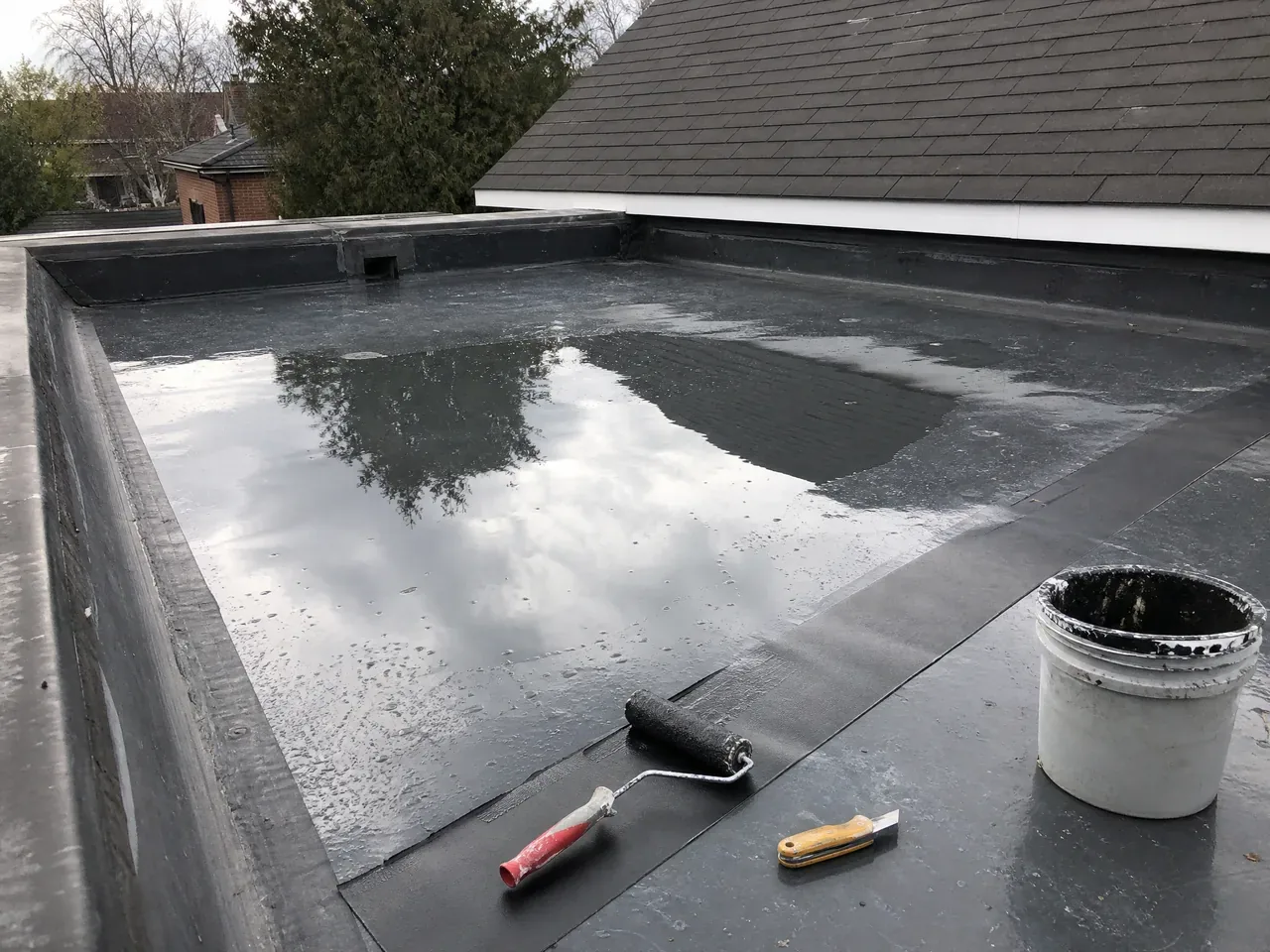
At Salt Lake City International Airport, July’s normal high is 94.0°F and August’s is 91.7°F; normal lows dip below freezing in both January and December. Before repair, we check roof temperature and moisture. Thermal movement and seasonal wetting make sound details important. Drain and scupper work can be paired with a modified-bitumen roof repair when the assembly and approved scope call for it.

Church Roofing

Keep rooms usable while the roof is open

Interior protection starts with the room below the planned roof section. We ask whether furniture, instruments, sound boards, or stored supplies can be moved and where a temporary barrier can stand. If the ceiling has to open, the church contact confirms the affected room and its operating schedule. We keep roof removal within the area that can be dried in safely, then document any change before extending the opening.

The Fairbourne Station plan combines civic, retail, office, hotel, and multifamily uses. For a congregation near that area, shared paths and neighboring entries may affect lift placement, but do not determine the roof scope. We record the agreed route and staging location with the work plan. A visit near Fairbourne Station can be scheduled around the property access limits while the facility team keeps worship and community programs informed.

Compare repair cost with a larger project

A patch price changes with the repair size, flashing count, access equipment, and whether insulation must be removed. Replacement adds tear-off, disposal, substrate work, and a sequence for closing each roof section. We list confirmed work separately from hidden conditions. That keeps the proposal useful when the congregation is planning around a budget approval or a calendar of building use.

Repeated leaks, brittle membrane, or wet layers across several rooms can support a broader scope. A commercial roof replacement comparison should show the tear-off limit and daily dry-in line. If classrooms or offices occupy the same structure, school roof planning may offer useful coordination considerations, while senior living roof work has separate resident-access needs. The estimate stays tied to this building's observed condition.

Leave a record for the next facility lead

The closeout record identifies the roof section, repaired detail, photos, and any limit left outside the work. We note the location above the affected room and any test opening used to confirm moisture. If some area could not be seen, the record says so. That gives the next facilities volunteer or staff member a usable starting point if a stain appears after another weather event.

West Valley City's major-street plan lists Redwood Road and 3500 South among its arterials. That street context can help with delivery planning near a congregation, while the site itself controls roof access. We retain agreed parking or staging limits with the completed scope. The record focuses on what changed, what remains, and which detail deserves another look.

Church Roofing

Common questions

Can a church keep services scheduled during roof repair?

We plan the work area and noisy tasks around the congregation's schedule where conditions allow. The contact identifies services, programs, room restrictions, and clear entries before mobilization. Each roof section is sized to close within a safe dry-in window. If testing expands the opening, we confirm the revised boundary and any room impact before proceeding.

How do you handle a leak above sound or lighting equipment?

First we trace the likely roof entry and identify equipment below the work. The facility contact coordinates any shutdown or protection that the equipment requires. We inspect nearby curbs, penetrations, seams, and drainage before opening the assembly. Photos and test findings tie the repair to the room and roof section.

What if the leak is near an addition or lower roof?

Those junctions need separate checks of wall flashing, terminations, and the way water crosses between roof levels. We inspect each transition and determine whether the defect stops at a detail or continues into the field. The proposal shows the repair boundary and identifies any test cut needed to confirm hidden material.

Can roof work be scheduled outside worship hours?

We can use quieter windows identified by the church, subject to weather, material conditions, and the time needed to secure an open area. Loud removal can be grouped where feasible. The schedule also accounts for deliveries, parking, and access to rooms below. We agree on each day's stopping point before opening the roof.

What makes a larger replacement scope necessary?

Widespread wet insulation, repeated open seams, brittle material, or weak attachment can make isolated patches unreliable. We use inspection findings and test cuts to see whether defects remain local. The estimate compares a contained repair with removal to the confirmed boundary. Concealed work is added only after it is exposed and approved.

Set a church roof inspection window

ServicesRoof SystemsIndustriesProperty TypesService AreasDamage RepairCapabilitiesManufacturersContactAboutRequest a Roof Assessment555-555-5555
Call555-555-5555