Hotel Roofing in West Valley City, UT

Plan hotel roof repair in West Valley City around guest access, rooftop equipment, drains, and phased work. Get a field-based scope and schedule.

Set the hotel roof access window

A lifted corner at a rooftop unit can send water toward a guest-room ceiling while the source stays hidden under the membrane. We check the curb, nearby seam, and insulation before choosing a repair limit. In West Valley City, UT, hotel work also has to preserve guest routes and service access. We map the roof opening, the dry-in line, and the ground path before setting the work window.

Hotels combine guest rooms with kitchens, meeting areas, mechanical spaces, and service operations. Their roofs can have multiple equipment zones and drain paths, but the condition varies by building. We compare reported leaks with membrane, flashing, and deck observations. A commercial roof inspection creates a usable record for deciding whether a local repair can hold or a broader scope needs review.
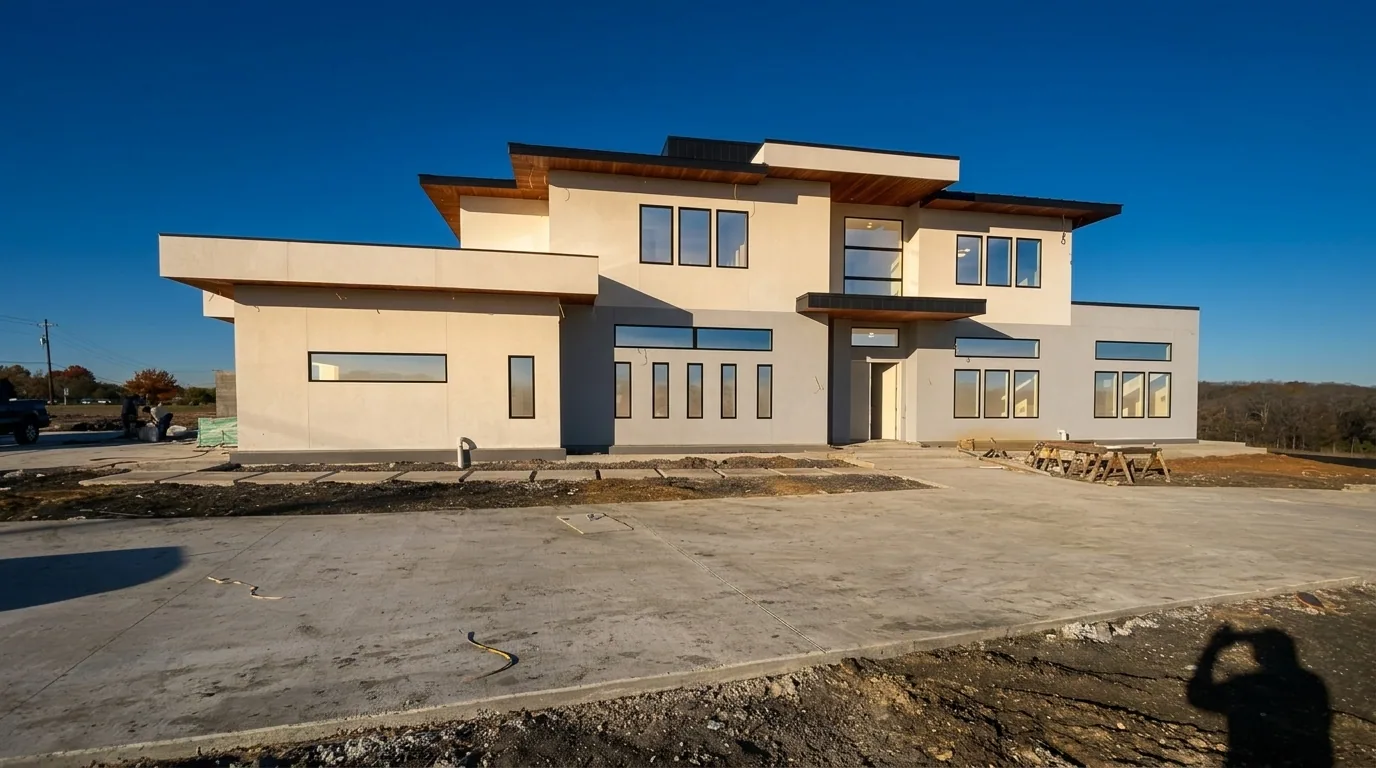
A material lift beside the lobby entrance can conflict with arrivals, luggage carts, or an accessible route. We identify those paths before setting a staging area. If a service entrance offers a safer route, we confirm it with hotel management and mark when deliveries can use it. Barriers remain clear of exits and fire access. The roof crew keeps debris removal inside the same approved sequence.

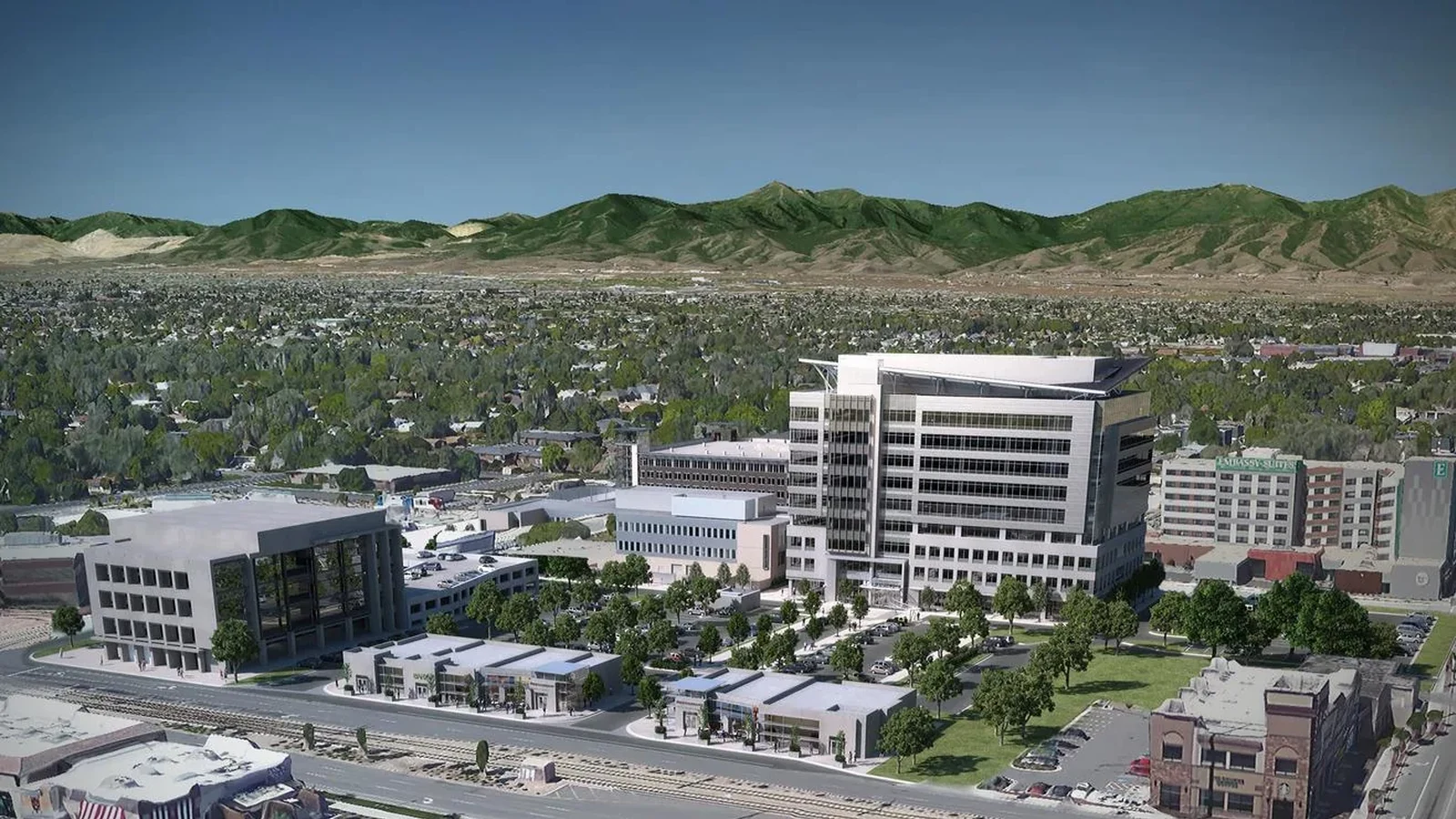
Fairbourne Station is a planned transit-oriented district that includes civic, retail, office, hotel, and multifamily development. Its mix shows why ground access may serve several uses, but it does not establish a particular hotel’s operating plan. We confirm the actual building entrances, loading point, and lift reach. A Fairbourne Station area work plan can be coordinated with a building walk when the property is nearby.

Hotel Roofing

Inspect curbs before opening the field

Hotel Roofing

Rooftop units, exhaust fans, pipes, and antenna supports break the roof surface. We inspect each curb base, penetration, fastener, and membrane transition around the reported leak. A loose corner or open lap may be the entry point, while water travels under the sheet before appearing inside. We record the nearby condition and test insulation when it will change how much roof must come out.

Hotel mechanical equipment may need to remain active through a repair shift. We identify which units can pause and which require coordination with maintenance staff. A roof curb and support repair can include flashing work, while equipment disconnection remains assigned to the mechanical trade. We protect every opening with a defined dry-in line and log the area left for the next shift. A property with food service may also need the equipment coordination used in a restaurant roof plan.

Separate drain trouble from membrane failure

A drain bowl may be loose, obstructed, or surrounded by a soft low area. We check the clamping ring, membrane termination, and insulation below the nearest ponding marks. A blocked outlet and a failed seam can create similar interior symptoms, so we identify the actual defect before repairing. If a test cut shows a broader wet zone, we move the boundary to sound substrate rather than stopping at a surface stain.

The city’s transportation plan calls 3500 South a major arterial and links transit service to employment and activity centers. That corridor context can affect material delivery and service access, while the hotel’s own loading arrangement sets the lift plan. We verify truck access and disposal timing on site. A drain and scupper repair addresses the outlet; the membrane scope covers the surrounding roof only where evidence supports it.

Hotel Roofing

Phase work around occupied rooms

Phasing can keep one entrance or service zone operating while another roof area is open. We map each work zone, daily dry-in limit, and the route used to reach it. Management can flag sensitive rooms, scheduled events, or deliveries that affect the sequence. If removal reveals deck damage, the hold point is documented before the next area opens. The schedule follows what can be secured each shift.

Airport normals show a 94.0°F July high and a 91.7°F August high for Salt Lake City. Those readings frame the season; the roof surface and substrate decide whether materials can be applied that day. January snowfall averages 12.70 inches at the station, within its annual 51.9-inch normal. We use the seasonal pattern when planning drain checks and dry-in protection, then inspect the hotel roof directly.

Compare the repair limit with reroofing

A contained leak at one curb may support a bounded repair if the insulation is dry and adjacent seams remain attached. Repeated leaks, moisture across several zones, or widespread membrane separation can change that choice. We mark the affected area and state which conditions remain concealed. A commercial roof repair estimate should separate confirmed work from potential removal discovered after opening.

Fairbourne’s plan sets out a mix of lodging, offices, homes, a medical office, plaza, and park. Those uses create different access and maintenance needs, not a roof diagnosis. For hotel owners comparing a repair with a broader project, a commercial reroof scope can show removal, deck review, and phased protection. Nearby multifamily roof planning may share access coordination, while guest circulation adds hotel-specific timing.

Leave maintenance a marked record

Closeout should identify repaired zones, drain findings, material changes, and deferred conditions. Photos show the curb, seam, and drain after work, with a clear reference to the roof plan. We also record any access restriction that remains. A roof condition report can give ownership and maintenance staff a consistent reference when they budget future repairs or compare a new water report.

For a hotel with food service or multiple mechanical areas, the handoff should name the equipment and drain locations that received attention. We provide the repair boundary, the dry-in line used, and any follow-up inspection need. If another trade must return, that dependency appears in the closeout notes. It is easier to plan the next access window when the last work area and its condition are clearly recorded.

Hotel Roofing

Common questions

Can a hotel keep rooms occupied while roof repairs are underway?

Many repairs can be sequenced by roof zone, but the access route, noise, equipment shutdown, and room location affect the plan. We coordinate the work area and daily dry-in limit with management. If a room or service area needs a temporary restriction, the affected period is identified before the crew opens the roof.

How do you trace a leak that appears far from a rooftop unit?

We compare the ceiling location with the curb, seams, drains, and membrane slope above it. Water can travel beneath the sheet before it reaches an interior finish. A test cut can confirm whether insulation is wet and show how far the repair should extend.

What should be coordinated before moving a hotel rooftop unit?

The mechanical trade should confirm disconnection, lift points, and restart responsibility. We coordinate the roof opening and flashing removal so the unit is not set back over an unfinished transition. The work plan also identifies the dry-in line and who accepts the equipment after it is secured.

How do you reduce disruption during a hotel reroof?

A phased sequence can keep work away from the busiest entrance or service area at key times. We map lift access, debris handling, and the exposed area each shift. Management provides event and delivery windows; the crew plans daily boundaries that can be protected if conditions change.

What belongs in the final roof record?

Keep the work zones, installed materials, drain and curb conditions, photos, and deferred items together. We note where the repair ended and what would require another visit. That baseline helps maintenance staff assess a later leak without assuming the entire roof has the same condition.

Set the hotel roof access window

ServicesRoof SystemsIndustriesProperty TypesService AreasDamage RepairCapabilitiesManufacturersContactAboutRequest a Roof Assessment555-555-5555
Call555-555-5555