Commercial Roofing in North Salt Lake, UT

Commercial roofing in North Salt Lake begins with an on-roof check of flashing, seams, drainage, access, and the repair limit for each property.

Set a North Salt Lake roof review

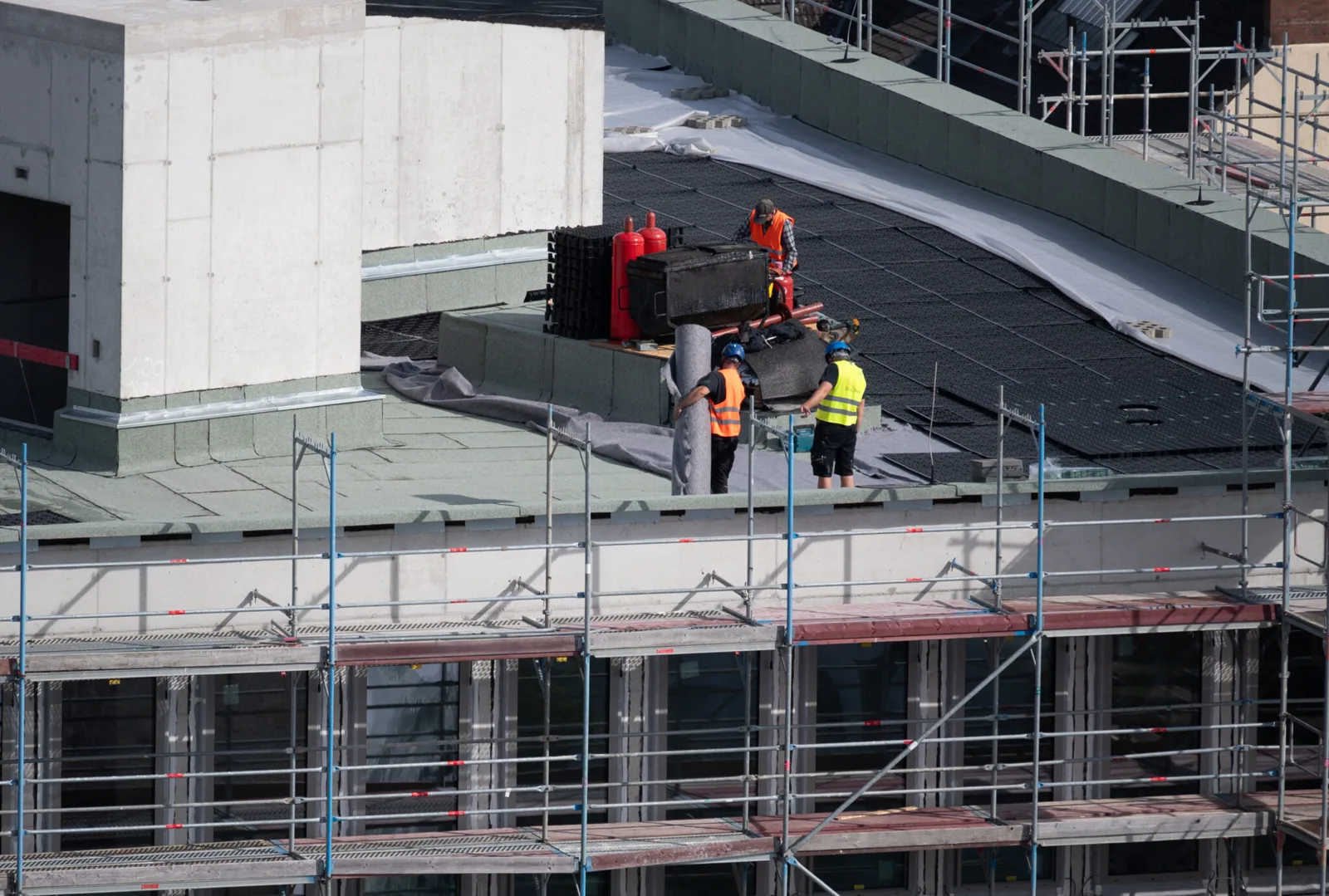
North Salt Lake administers Community Development Areas for Highway 89 and Redwood Road; Eaglewood Village is another redevelopment area. We begin roof work by tracing reported water entry and checking the edge, flashing, substrate, and access at the property named in the work order.

Redevelopment areas can involve planning and property work, but they do not identify a particular building's roof type or condition. We confirm the address with the owner, then locate the reported leak and inspect nearby seams, drains, curbs, and metal. If another trade or project controls a roof edge, we verify the release point before removal. The repair limit follows what we can see and test at that property.
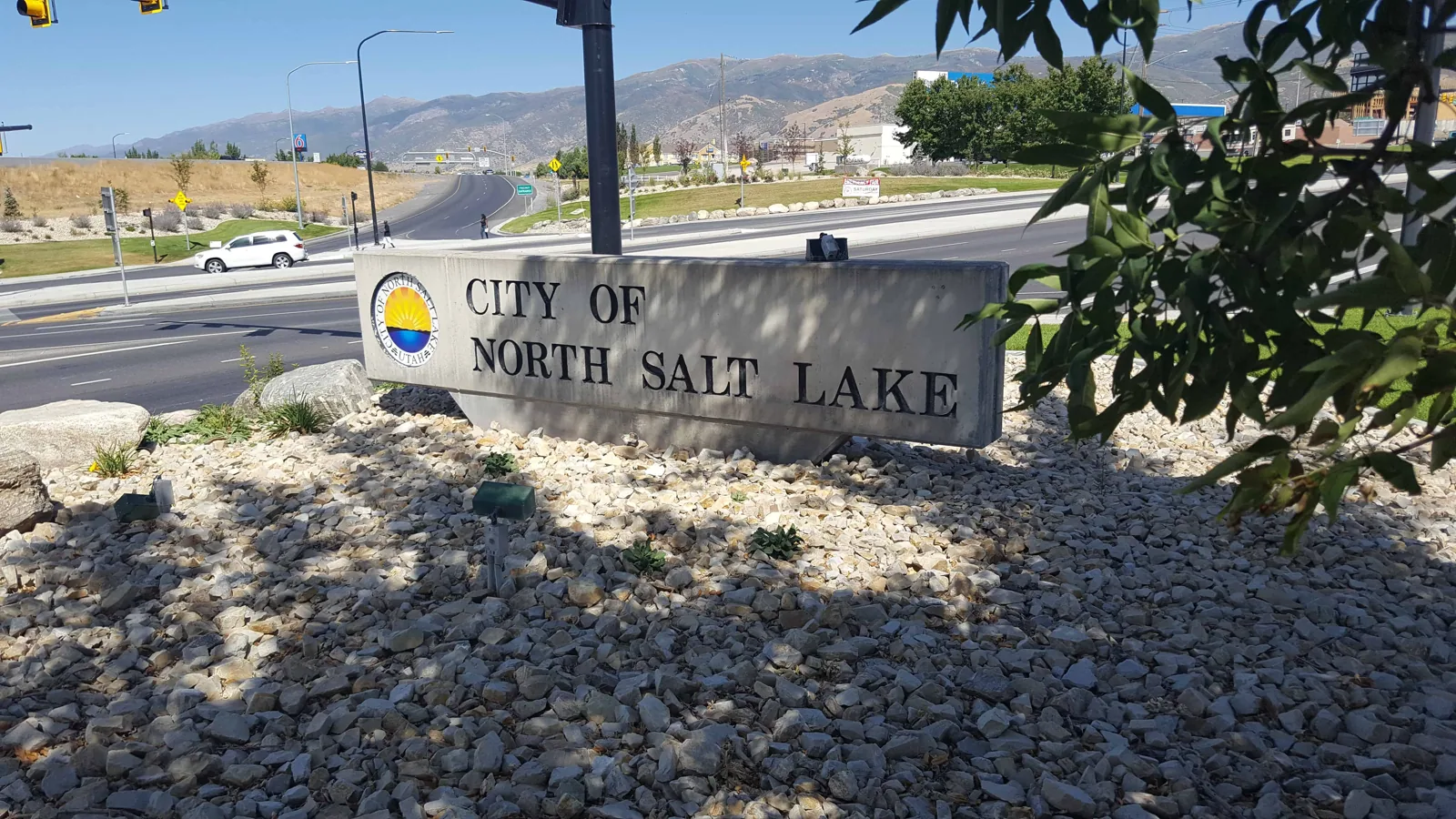
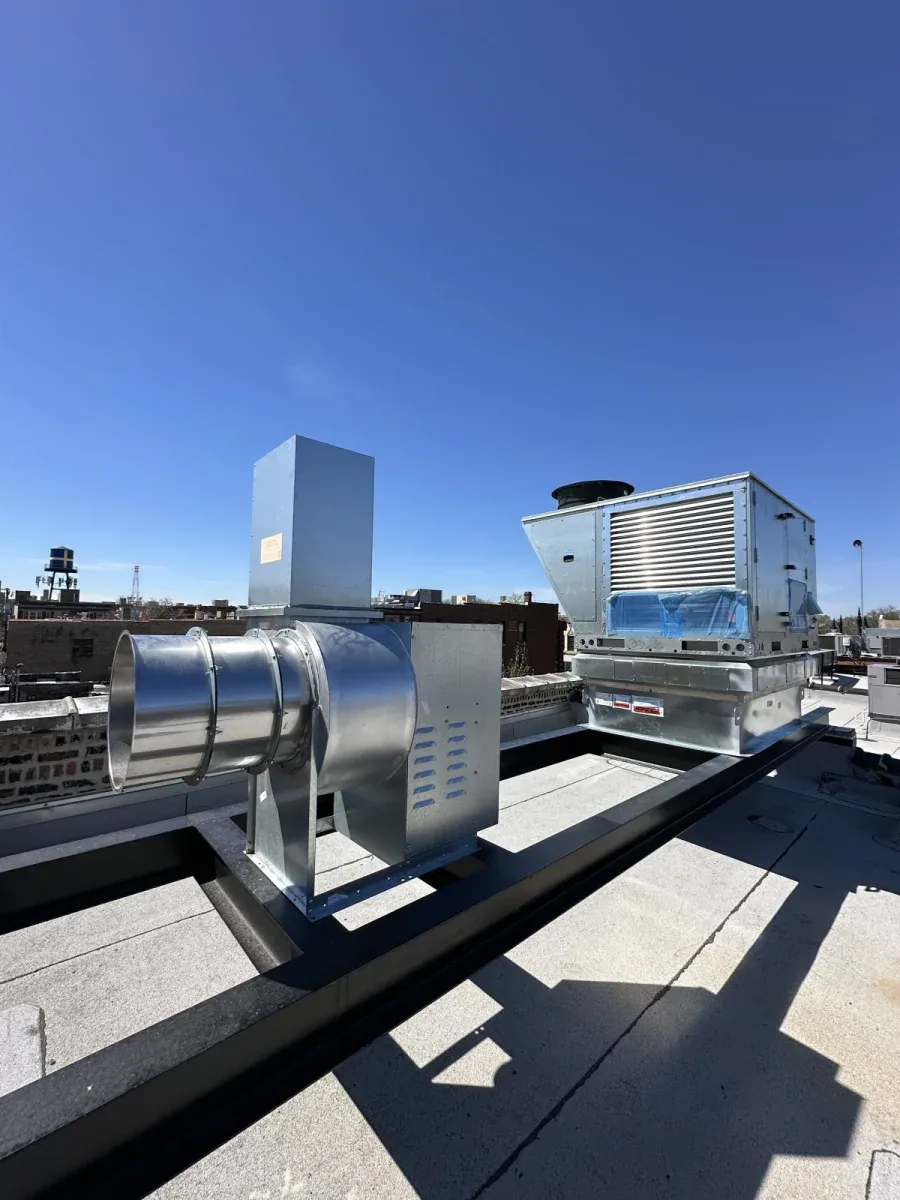
North Salt Lake has Community Development Areas for Highway 89 and Redwood Road, plus Eaglewood Village. At a property in these districts, we confirm the building, roof hatch, staging point, and work limits with the site contact before setting a schedule.

We record roof zones, drainage, and prior repairs for the building under review. For broader owner coverage, South Salt Lake and Magna remain separate service locations with their own access and roof records. Within North Salt Lake, a mapped community area helps identify the district while the structure determines the roofing scope.

North Salt Lake

Inspect the detail before pricing a repair

North Salt Lake

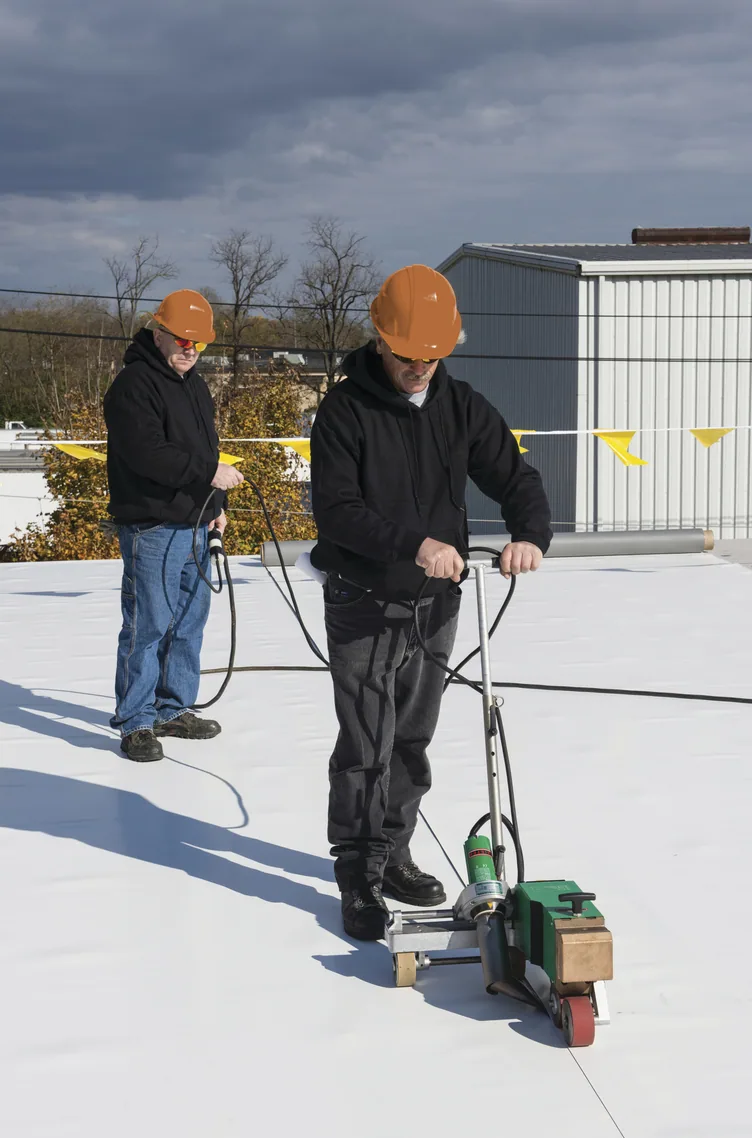
A leak report is a starting location, not a complete repair boundary. We check the roof above the interior evidence and inspect the closest seam, curb, pipe flashing, and drain. A small open lap may stay local if the adjacent membrane remains bonded and the insulation is firm. A lifted termination or soft core can move the work past the visible stain. We mark each observation and identify whether a test cut will change the scope.

At an edge, we inspect metal joints, fasteners, corners, and the substrate supporting the termination. A short bead of sealant cannot stabilize a moving bar or replace loose flashing. We carry the repair to a sound connection. Flashing repair can address the wall transition; edge-metal work may be needed where the metal itself has shifted. We list each component so the estimate shows what actually corrects the entry point.

Along a parapet or roof edge, we check the counterflashing, termination bar, fasteners, and metal joints as one connection. A loose cleat or open corner can let water behind an otherwise sound membrane. If the metal must come off to inspect the nailer, we mark that step and keep exposed layers within the day’s dry-in limit. The estimate separates visible repair from substrate replacement that can only be confirmed after removal.

Check drainage from bowl to discharge

We inspect the drain bowl, clamping ring, strainer, and surrounding sump before attributing a leak to the membrane field. A clear bowl can still have a loose connection. A low point can keep water against a seam even after debris is removed. We look for settled insulation and soft support, then decide whether the repair stays at the outlet or needs a wider test area. Drain work and slope work receive separate quantities.

A scupper or overflow also has to remain open while repairs are staged. We protect the path and confirm where water should leave the roof before applying new material. A drain and scupper repair can address a failed connection; ponding-area work checks a broader depression. If the roof continues to hold water because the base has shifted, a surface patch alone will not correct the cause.

North Salt Lake

Plan around the conditions on the roof

Freezing-or-colder minimums occur on 20.6 January days and 7.9 December days in the Salt Lake City International Airport station's 1991-2020 normals. Before applying adhesive or flashing, we check roof-surface temperature, moisture, and material instructions. If ice or dampness prevents preparation, we keep the roof secured and schedule the repair for a workable window.

Before mobilization, we confirm which roof area is released, where materials can be staged, and who coordinates any tie-in. The daily open section stays within the crew's dry-in capacity. If the roof is occupied below, phased work can define where the crew stops and what protection stays in place. The access plan is based on the property, not the name of the district.

Test the layers when surface evidence is incomplete

A membrane may cover wet insulation or a weak deck, especially near a drain or previous repair. We inspect for deflection, soft spots, open seams, and movement around penetrations. If those checks cannot establish the core condition, we choose a test cut that answers whether material can stay or needs removal. We label the opening, record the layers, and restore it within the approved work.

When a core is dry and the base remains sound, a compatible patch can remain the smaller option. If wet board spreads beyond the first cut, we define the new tear-off limit and request approval before expanding the work. Repeated failures may warrant replacement comparison after attachment, drainage, and edge details are reviewed. A roof condition report can keep photos and open items together for budgeting.

Price a scope that can be checked later

Repair pricing depends on membrane type, seam length, flashing count, removal depth, staging, and how the crew can access the roof. We list each confirmed area and separate test work from concealed damage. If the test changes the boundary, the owner sees the added quantity and approves it before removal continues. That keeps material, disposal, and dry-in limits tied to verified conditions.

Closeout photos show the repaired edge, seam, drain, or penetration. We note material replaced, test openings, and any area that could not be inspected. If a project includes more than one North Salt Lake property, each building receives its own record. For a related roof in Murray Central, we inspect and document that district separately. The final file identifies the work completed and what remains open for a future decision.

North Salt Lake

Common questions

What do you confirm at a roof inside one of these areas?

We confirm the building, roof assembly, access, drainage, and reported defect with the property contact, then inspect the seams and details before recommending work.

Can an existing roof be repaired during a redevelopment project?

It can when the work area is released, the tie-in is clear, and the roof can be closed within the agreed dry-in limit. We coordinate with the property contact and any trade controlling the transition. If access or backing is not ready, we hold the detail rather than cover an unfinished connection.

When is a test cut needed near an edge or drain?

A cut helps when movement, soft support, or repeat leakage leaves the insulation condition uncertain. We choose a point that can establish whether the material is dry and where removal should stop. The opening is photographed and restored as approved. Additional removal is priced only after its extent is confirmed.

How do you keep drainage open while roof work proceeds?

We identify drain bowls, scuppers, and overflow paths before staging. The sequence keeps a working route for water and separates outlet work from slope correction. If a drain must be opened, we plan how to protect the roof during that interval and close the connection before leaving the section.

What changes the cost of a North Salt Lake roof repair?

Seam length, edge-metal work, removal depth, access equipment, insulation condition, and protection below affect the estimate. A test cut may reveal wet material beyond the visible defect. We show the resulting quantity and scope change before proceeding, rather than treating hidden conditions as known work.

Set a North Salt Lake roof review

ServicesRoof SystemsIndustriesProperty TypesService AreasDamage RepairCapabilitiesManufacturersContactAboutRequest a Roof Assessment555-555-5555
Call555-555-5555