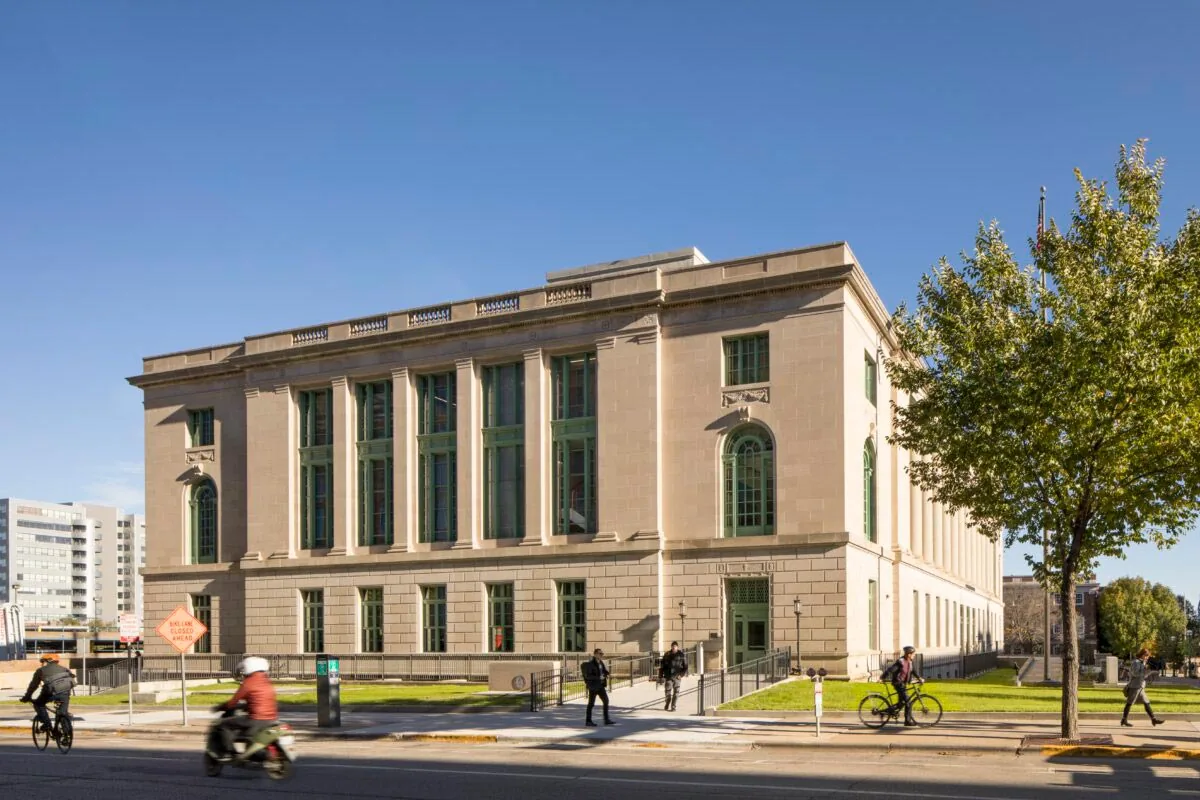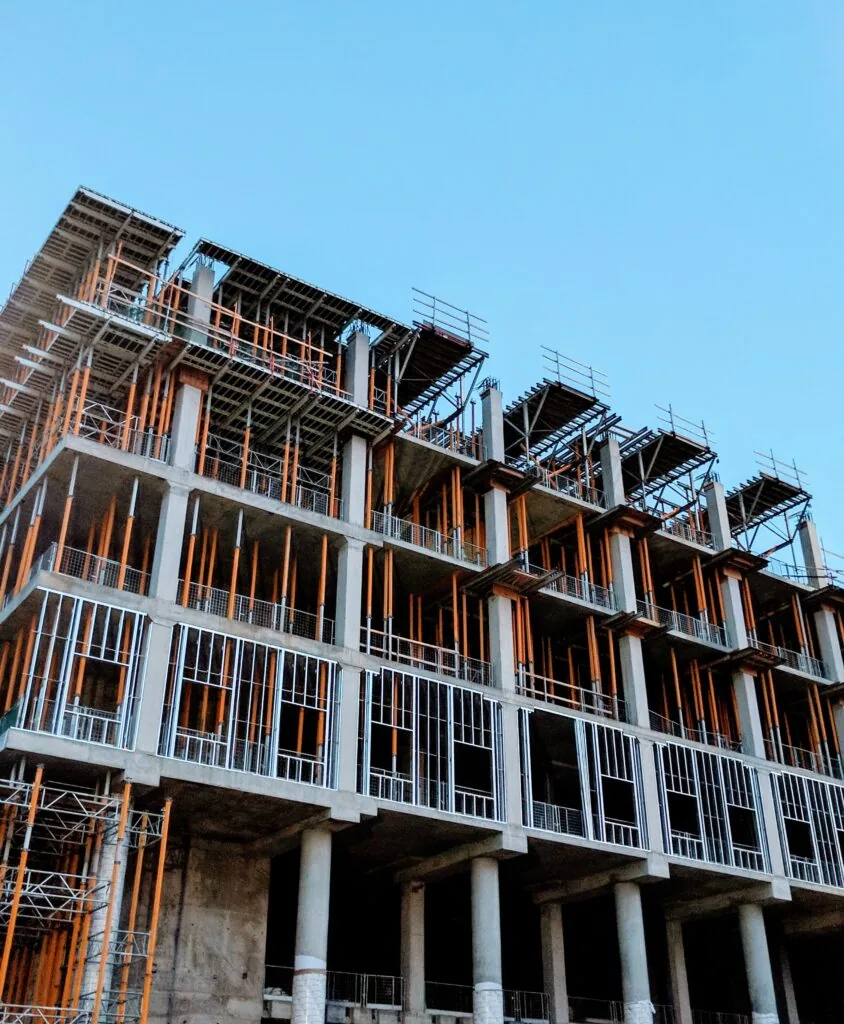
Commercial Roofing in North Temple Corridor, Salt Lake City, UT

Inspect and repair commercial roofs along Salt Lake City's North Temple Corridor. Trace leaks, check access, and separate confirmed work from testing.

Arrange a North Temple roof review

A roof curb with a loose corner can send water along the deck before a leak reaches the room below. We check the curb, nearby seams, and the slope to the nearest drain before setting a repair limit. North Temple has industrial, commercial, and other urban uses, and connects with Salt Lake City’s airport and transit network. We confirm roof access and work timing with the property contact.

North Temple is a distinct Salt Lake City corridor. We start with the property named in the work order, map its roof zones, and confirm active entrances, delivery windows, equipment, and interior protection with the contact. Photos and test locations keep a narrow repair distinct from a larger area that has not been opened.
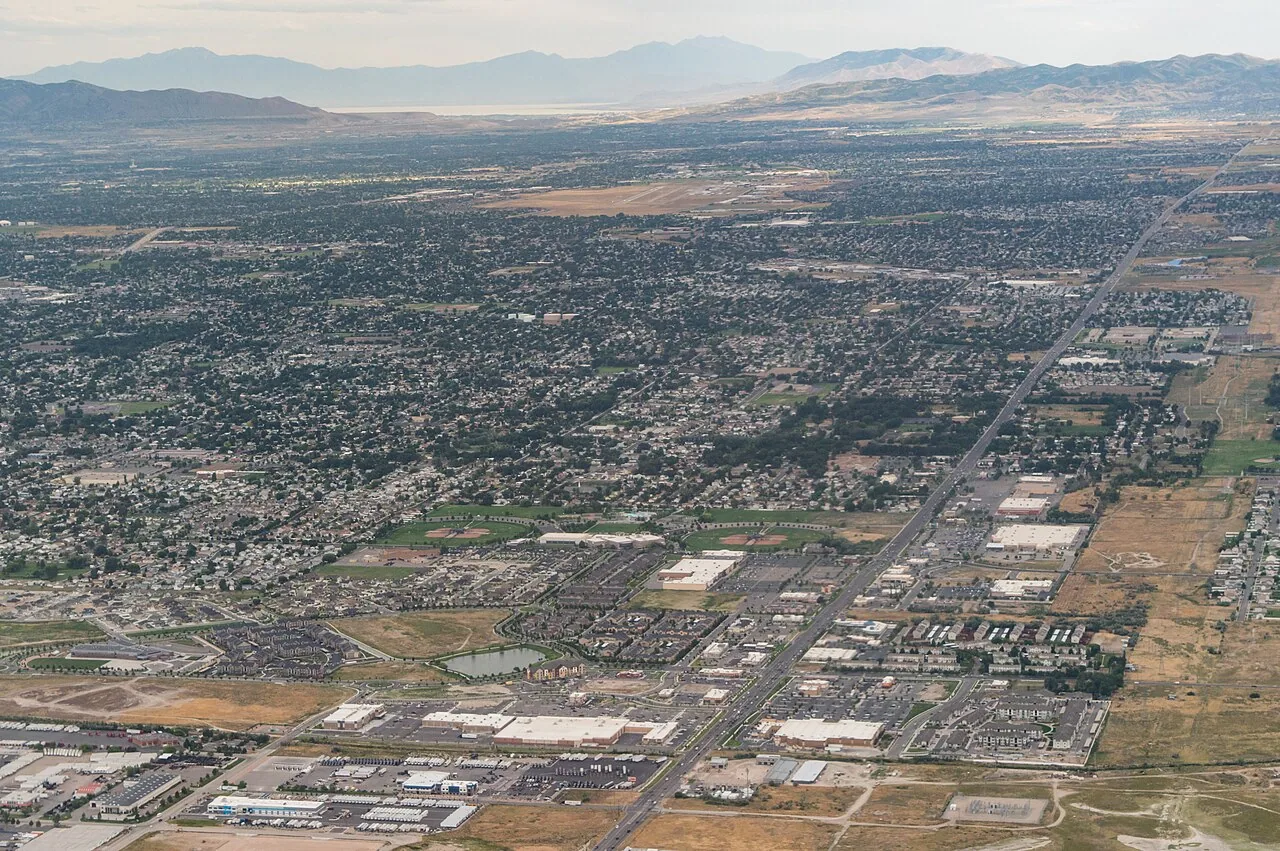
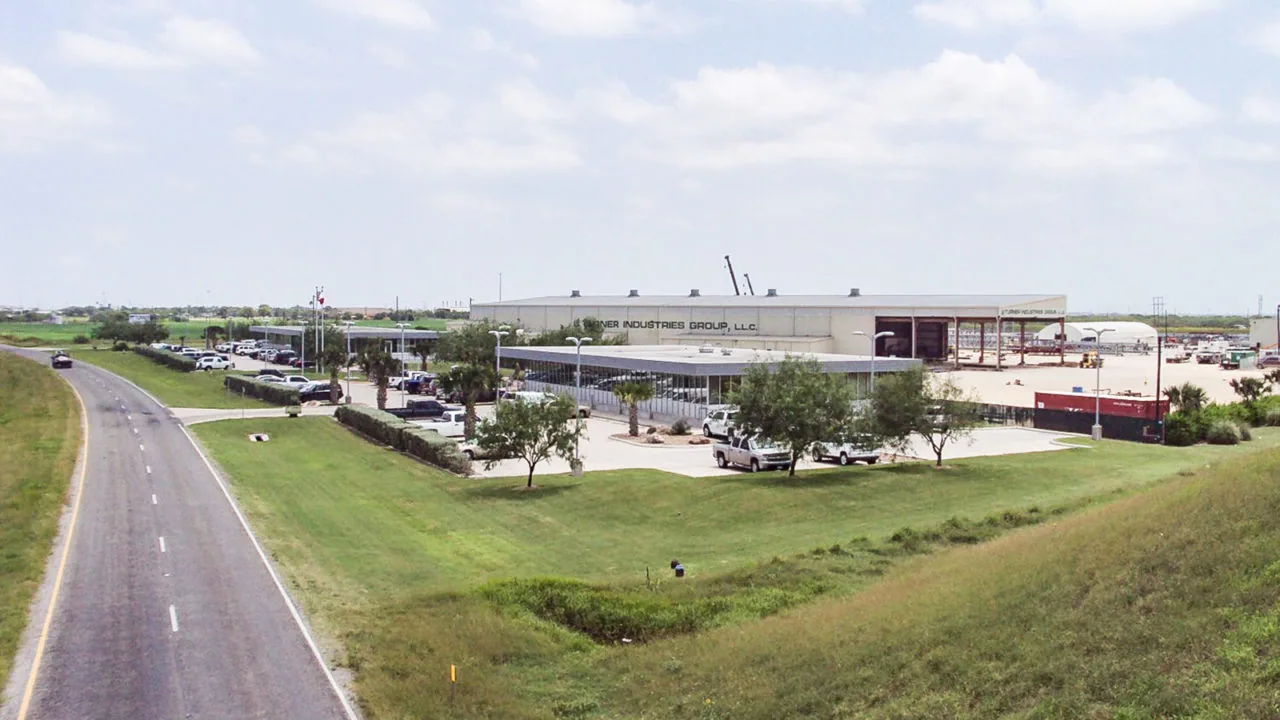
An access plan starts below the ladder. Before a lift arrives, we confirm overhead clearance, vehicle turning space, and whether staging can remain outside the property’s active entrance. We identify where a crew can park, unload, and move tools without blocking the property's approved route. If another trade controls a rooftop unit, electrical disconnect, or service path, that team releases the work area first. North Temple connects with the airport and transit network. The property contact confirms the gate, loading point, and work hours for a roof visit.

At the roof hatch, we confirm safe access, tie-off points, and the section named by the contact. A commercial roof inspection can document visible seams, drains, edge metal, and penetrations before a repair is priced. For a property in another municipality, Sandy roof work starts with its own access instructions rather than a schedule borrowed from North Temple.

North Temple Corridor, Salt Lake City

Follow water at curbs and wall transitions

North Temple Corridor, Salt Lake City

A stain near a wall may trace back to a loose counterflashing edge or a curb corner where membrane has split. We check the termination, fasteners, sealant, and adjacent sheet for movement. If water has reached insulation, a surface bead of sealant may hide the opening without correcting the wet layer. We mark what is exposed and explain whether removal or a test cut is needed to reach sound material.

North Temple includes industrial and commercial uses. We inspect the structure named in the work order before setting the roof scope. Rooftop equipment curb repair can address a failed connection when the base remains sound. A damaged membrane lap may need seam failure repair after preparation. We include the detail, the tie-in width, and any substrate replacement in the written scope so the owner can see what is included.

Check the drain path before clearing the symptom

Water near a roof penetration can remain after a storm because an outlet is blocked, the bowl has shifted, or the surface falls toward a low spot. We inspect the drain bowl, strainer, overflow path, and membrane connection. If the bowl is clear but the area still holds water, we look for compressed insulation or a deck depression. A repair boundary should include the cause that is visible, not just the puddle's edge.

Salt Lake City International Airport's station normal for 1991-2020 is 15.52 inches of annual precipitation. The Salt Lake City International Airport station records this 1991-2020 normal. After rain, we check the building’s drainage and roof surface directly. Drain and scupper repair may address a failed outlet. If water remains after the outlet is open, ponding water repair can assess the low area and nearby insulation.

North Temple Corridor, Salt Lake City

Match the repair material to the exposed assembly

A patch needs a clean, compatible landing zone. We identify the membrane or metal at the work area, test adhesion where appropriate, and remove loose material until the substrate can support the repair. A coating is not a substitute for securing a loose sheet or replacing saturated insulation. If the assembly changes between additions, we note each transition and keep the repair detail appropriate to that roof section.

The airport station has a normal July daily high of 94.0°F and a normal minimum below freezing in January and December. We check roof temperature and moisture before selecting an adhesive, sealant, or coating and scheduling work that needs a dry substrate. If the repair is part of a broader survey, infrared moisture scanning can help identify areas for direct follow-up, with findings confirmed at the roof.

Keep the scope tied to confirmed conditions

Labor and material change with repair length, access height, flashing geometry, tear-off depth, protection below, and debris handling. A restricted access window can also affect mobilization and the amount of roof that can be opened at once. We state the area included and describe the approval step if removal exposes wet insulation or damaged deck. That gives the owner a defined repair and a clear way to review added work.

A single curb failure may support a focused repair if the membrane around it is dry and attached. Several separated wet areas can point toward a larger replacement zone. We compare those options using inspected conditions, not assumptions about neighboring addresses. Commercial roof replacement can be divided by roof section when the building needs broader work. For active properties, a phased reroof sequence can be planned after the contact confirms protection and access requirements.

Leave clear photos and a next inspection point

Closeout should show the original curb or drain condition, preparation, new connection, and the boundary with existing roof material. We identify the roof zone and test locations, then list any inaccessible area or unresolved condition. If work paused for a trade release or weather window, the record states which section was dried in and what remains. The property team can use those notes without guessing which building or detail was repaired.

We keep maintenance observations at building level and can organize priorities and photos into a roof condition report for budgeting. For a separate plan area in Tooele, Downtown and Broadway needs its own roof review. Send the prior repair record and current leak location so the next visit can focus on the detail most likely to change the scope.

North Temple Corridor, Salt Lake City

Common questions

What access details should the property contact confirm?

The property contact confirms unloading, roof entry, restricted paths, and equipment release. North Temple connects with the airport and transit network, so we coordinate the actual delivery route before the visit.

Can a leak near a rooftop unit be repaired at the curb only?

The curb may be the source, but the membrane and insulation around it need inspection. If the surrounding sheet is attached and dry, a detail repair may fit. Wet layers or a failed seam can extend the repair boundary.

How do you decide between drain repair and ponding correction?

We first confirm that the drain and overflow path are open and properly connected. If water remains in a low area, we inspect slope, insulation, and nearby seams. The proposal identifies whether it addresses the outlet, the depression, or both.

What if roof work is limited to a short access window?

We plan the removal limit around what can be secured and dried in during that window. The contact confirms any required escort, delivery, or noise period. If more roof must be opened than can be closed safely, the work is divided into another approved shift.

Which information should be in the repair closeout?

Photos, roof-zone identification, repair materials, test openings, and areas not included make the record useful. We also note any trade or weather hold that affected completion. This helps the next review tie a leak report to the right roof detail.

Arrange a North Temple roof review

ServicesRoof SystemsIndustriesProperty TypesService AreasDamage RepairCapabilitiesManufacturersContactAboutRequest a Roof Assessment555-555-5555
Call555-555-5555