Commercial Roofing in Sandy, UT

Commercial roof repair and replacement in Sandy, UT. We inspect each assembly, trace drainage, and price work around access, weather, and operations.

Set a commercial roof inspection in Sandy

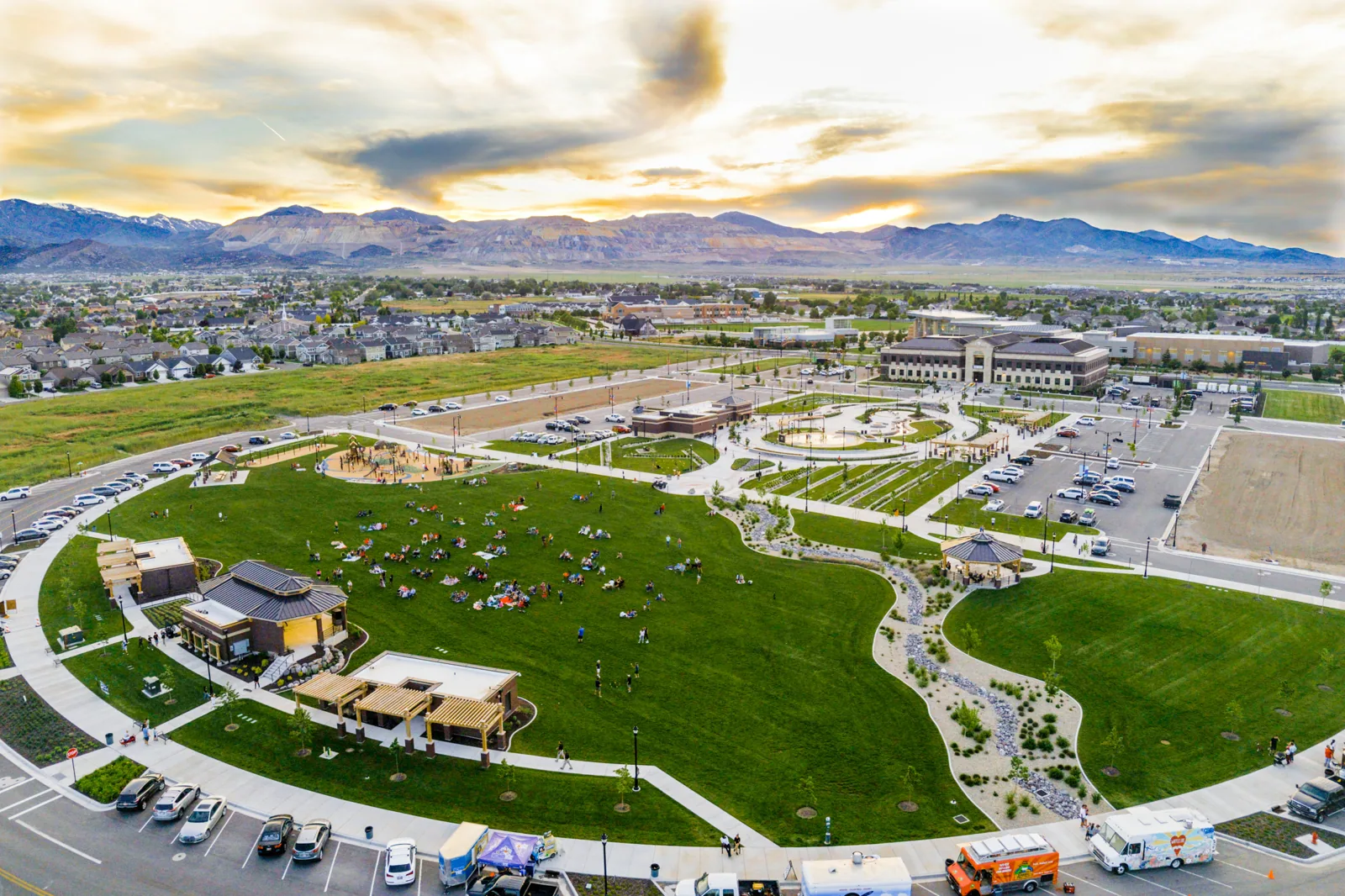
A lifted membrane edge at a parapet can pull water behind flashing and spread damage beyond the visible split. We inspect the termination, wall, and insulation before setting the repair limit. Sandy maintains area plans for the 90th South Gateway, Downtown, and Sandy Corners near 700 East and 9400 South. These plans identify commercial areas across Sandy. For a roof project there, we map the building's membrane, drainage, access, and affected sections before setting scope.

We map the structure named in the work order and label each roof section before setting the crew sequence. The first walk records membrane or metal, drains, curbs, edges, interior leak points, and any area that cannot be accessed. Then we separate the repair that can be priced from concealed conditions that need a test cut. That gives the owner a defined option and a clear decision point if removal exposes wet insulation or damaged deck.
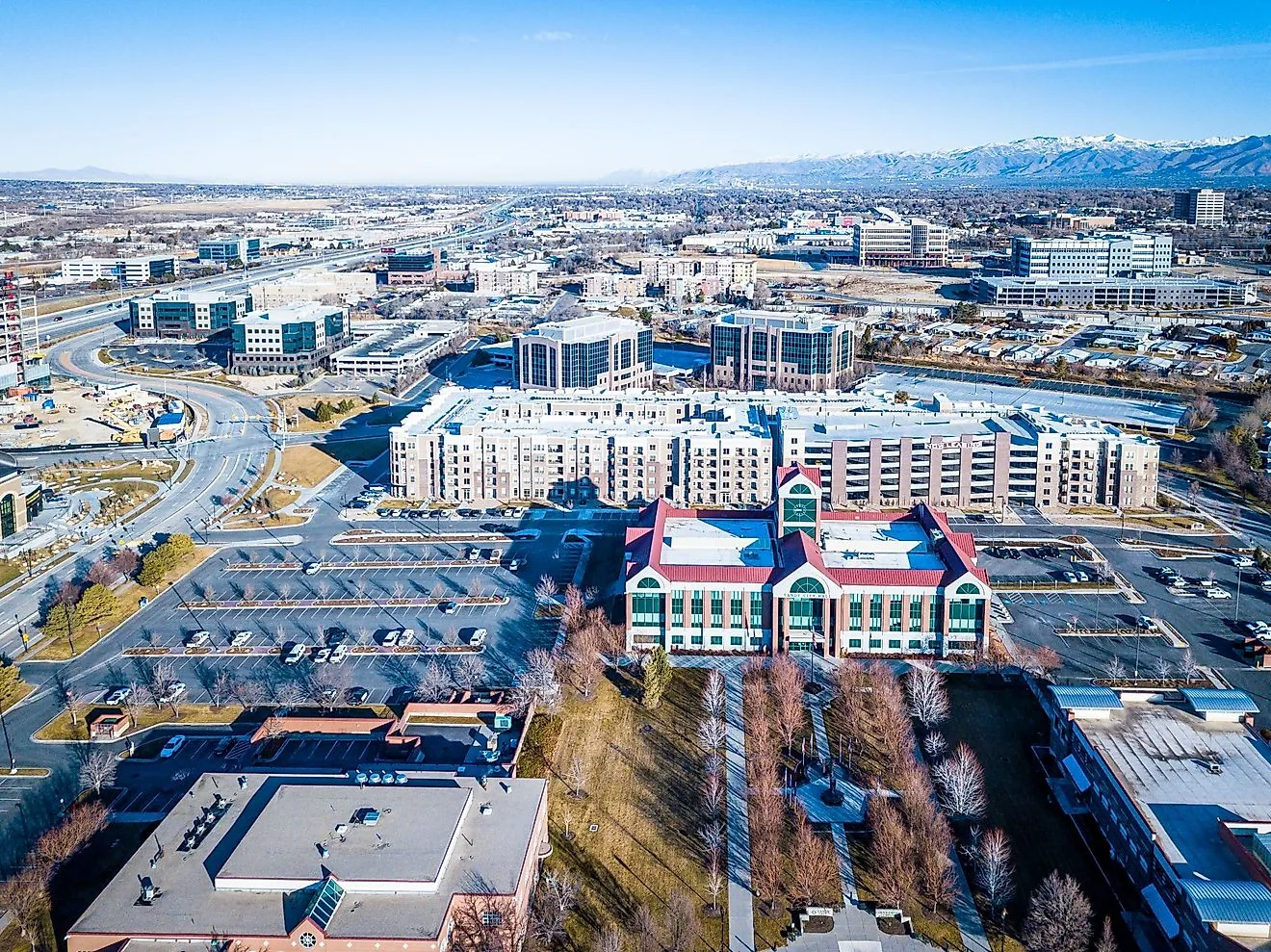
The city has a 90th South Gateway plan for northwest Sandy, a Downtown master plan for its central business and commercial district, and a Sandy Corners revitalization focus near 700 East and 9400 South. Those locations give owners a geographic reference for service. Before inspection, the owner identifies the building, access gate, affected roof section, and tenant coordination needed.

If the property spans more than one structure, we label each roof separately in the photo record. Seams and drainage can vary even between connected additions. A commercial roof inspection can document what is visible before repair quantities are developed. On a separate roof visit along the North Temple corridor, we set the dry-in boundary and work window from that property's roof and access limits.

Sandy

Trace the leak before cutting a repair patch

Sandy

A ceiling stain marks where water arrived, not necessarily where it entered. We compare the interior report with roof slope, open laps, curb corners, pipe boots, and wall flashings. A loose termination or cracked seal can guide water under the membrane. If the surface is firm and dry beyond the defect, the repair may stay local. Soft cover board or wet insulation moves the cutback to a sound boundary.

We photograph the suspected path and explain what evidence would change the scope. A split at a lap can be evaluated through seam failure repair when surrounding material is stable. At a pipe, curb, or skylight, penetration flashing work addresses the transition after the substrate is checked. We do not price a surface seal as a complete repair if water has reached the layer below.

Check low areas after rain and snowmelt

A drain can be open and still leave a depression wet. We inspect the bowl, strainer, overflow, and membrane connection, then compare the low spot to the surrounding slope. A blocked outlet calls for cleaning or component repair. A persistent pool may require a review of insulation thickness or deck elevation. We record the dimensions and nearby details rather than treating every wet mark as a structural problem.

The Salt Lake City International Airport station’s annual precipitation normal is 15.52 inches, calculated across 1991-2020. Its January average includes 20.6 days with minimums at or below 32°F. After rain or a freeze, we check actual drainage at the property, including the bowl, overflow, membrane connection, and low spot. Drain and scupper repair can address a defective outlet; ponding water repair can investigate an open drain with a continuing low spot.

Sandy

Compare a repair with a section replacement

A repair is easier to defend when the failure has a clear edge and the adjacent roof remains bonded and dry. If test results show moisture beneath several seams, a replacement section may limit repeat openings. We map the affected zones and note which locations were not opened. The owner can compare a narrow repair with a broader option using the same observed conditions.

Price is affected by tear-off depth, material, roof height, perimeter work, interior protection, disposal, and how many days the surface must remain weather-tight. Work also depends on actual substrate temperature and dryness. In the airport station’s normals, July’s daily maximum is 94.0°F; January and December minimums fall below freezing at Salt Lake City International Airport. Before scheduling, we check roof temperature, substrate moisture, and the selected material’s application limits. Commercial roof replacement can be divided into sections when the assembly requires broader work. If only a drain or seam has failed, a focused commercial roof repair may fit.

Set the work path around occupants and equipment

Before removal starts, we confirm roof access, delivery timing, lift placement, and the rooms or equipment below that need protection. The property contact identifies operating hours and restricted areas. Mechanical contractors control shutdowns or equipment releases; roofing proceeds when those interfaces are clear. If a public entrance or pedestrian path needs to remain open, we place the work zone and debris route around the approved path.

The work plan also states how much roof can be opened in one shift and where the dry-in line will end. A phased approach can reduce exposure when the building must remain in use, but only if the weather window and protection setup support it. Occupied-building reroofing can be planned by zone. For a different broad property district, Tooele City Business Park has separate access and roof conditions that need direct review.

Record repairs for the next budget review

Closeout photos should show the original defect, prepared surface, completed detail, and any test opening. We list the roof zone and the exact area excluded from the work. If removal uncovered wet insulation or a weak deck, the record describes the measured extent and the approved response. The facilities contact can then connect future leak reports to a known repair history.

A condition record also supports capital decisions. We can organize photos, near-term repairs, and longer-range observations by building for a roof capital plan. It should state what was observed and what stayed inaccessible. If Sandy has several properties under one owner, each roof still receives its own findings. We also record parapet, curb, drain, and seam locations beside each photo so the next visit can find the same details quickly. Send prior inspection notes and active leak locations so the next visit can focus on what may change cost or timing.

Sandy

Common questions

Do Sandy's area plans identify roof types for commercial buildings?

No. They name the 90th South Gateway, Downtown, and Sandy Corners as planning areas. We inspect the building in the work order to identify its roof material, drainage, flashing, and repair history before recommending work.

Can you repair a parapet leak without replacing a larger area?

A local repair may fit when the membrane and insulation around the edge are dry and attached. We check the wall transition and substrate. If moisture extends past the opening, the repair limit moves to sound material and may require more removal.

What does a test cut tell the owner?

It exposes the layers at one approved location. We photograph membrane, cover board, insulation, and deck conditions, then compare the result with the visible roof symptoms. The owner sees whether the finding supports a patch, a larger section, or additional investigation.

How do you schedule work around occupied space?

The property contact sets access, protected rooms, equipment restrictions, and operating hours. We size each daily removal area to the approved dry-in window. Shutdowns or equipment moves are coordinated with the responsible trade before roofing opens that section.

How do seasonal conditions affect a repair schedule in Sandy?

The 1991-2020 normals for the Salt Lake City International Airport station frame seasonal planning. At the property, we check roof temperature, moisture, snow, drainage, and material limits before setting the work window.

Set a commercial roof inspection in Sandy

ServicesRoof SystemsIndustriesProperty TypesService AreasDamage RepairCapabilitiesManufacturersContactAboutRequest a Roof Assessment555-555-5555
Call555-555-5555