Commercial Roofing for Insurance Restoration in West Valley City, UT

Document commercial roof damage in West Valley City with dated photos, marked repair limits, test results, and a scope tied to observed conditions.

Document the roof before the next repair step

A bare drain flange can decide whether a claim scope stays local or reaches adjacent membrane. We photograph the condition, mark the roof zone, and check whether insulation or deck damage extends beyond the visible opening. In West Valley City, UT, restoration work may involve occupied offices, industrial properties, or public facilities. The field record should describe what is present without assigning a coverage decision.

We document roof conditions for the owner, adjuster, and restoration team to review. That includes test locations, photos, material transitions, and a separate scope for confirmed repairs. A commercial roof claim inspection can provide evidence for the review while leaving coverage determinations with the insurer.
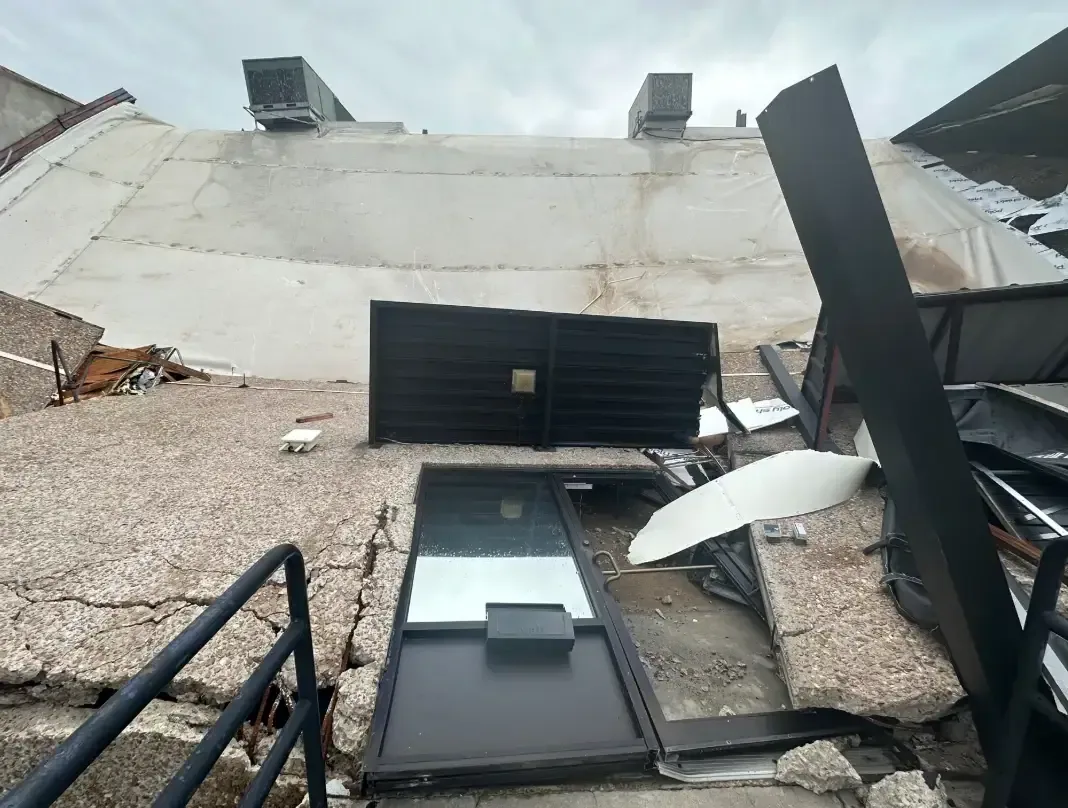
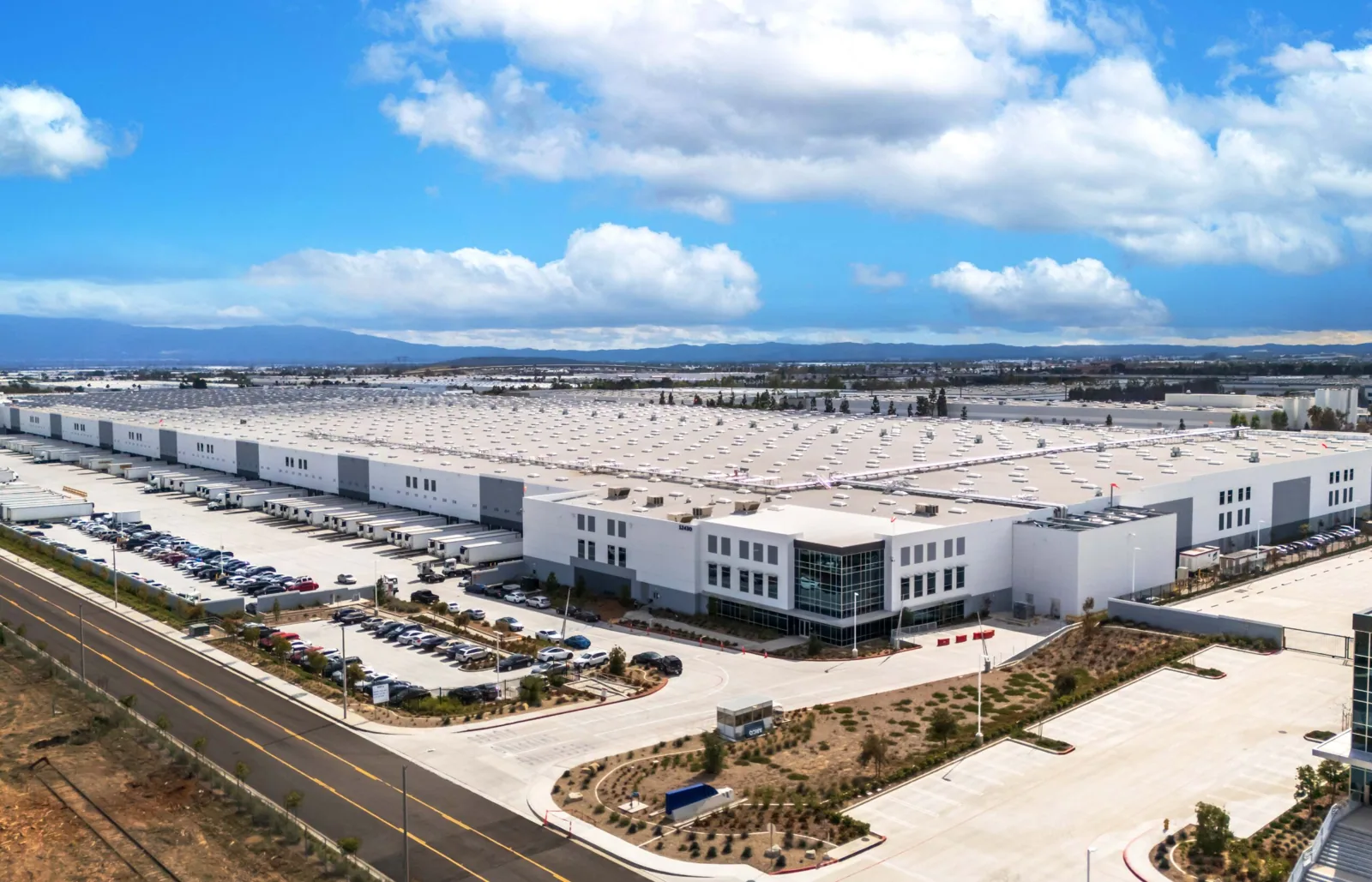
Before moving material, we capture the reported damage and surrounding roof details. Photos show seams, flashing, drains, curbs, edges, and any temporary protection already in place. We mark the location against a roof plan and note interior reports separately. That gives each reviewer a common reference and helps distinguish the damaged area from pre-existing repairs or nearby maintenance concerns.

West Valley City’s general plan identifies the northern SR-201 corridor for trucking and distribution businesses, with light-industrial development extending toward 2700 South. A property near that corridor may have active loading routes during inspection. We coordinate access with the site contact and record any restriction that affects the inspection area. A North SR-201 roof visit still needs a property-specific access plan and location map.

Insurance Restoration

Trace damage through the roof assembly

Insurance Restoration

A torn membrane may be visible while the extent of wet insulation remains hidden. We inspect the surface, seams, penetrations, drain connections, and substrate before recommending removal. A test cut can show whether moisture is local or continues beyond the opening. We label the sample and photo locations. The report separates direct observations from conditions that require additional exposure to confirm.

Wind or impact damage can affect flashings, edge metal, and the field membrane differently. We inspect fasteners, terminations, curb corners, and nearby areas for movement or puncture. If the source is not evident, we do not extend a damage description beyond what the roof supports. A wind-damage roof inspection can document observed conditions and the repair boundary. The reviewer can compare those findings with the reported event and policy terms.

Separate emergency protection from repair

Temporary dry-in may be needed before a permanent repair can be selected. We record the cover installed, the area protected, and what remains open for testing. Emergency work is described separately from permanent membrane replacement, insulation removal, or deck repair. That distinction helps the owner track what has been secured and which parts of the assembly still require approval or additional evidence.

Fairbourne Station is the city’s West Valley Central light-rail station area and an opportunity area for planned change. Its station-area mix includes hotel, office, multifamily, medical office, plaza, and park uses. For a building in the district, we photograph the affected roof zone and document the damage supported by inspection. A Fairbourne Station area inspection can orient a visit, while the photographed roof zone defines the affected work.

Insurance Restoration

Price confirmed work by roof zone

A useful estimate identifies labor and material by affected section, then states assumptions about insulation, decking, access, and equipment. We price what is visible and separate removal that depends on a test cut or tear-off. If the exposed deck differs from the condition shown, the report records the change before additional work. This keeps the claim file and construction scope tied to the same roof locations.

Selected 3500 South parcels have mixed commercial and residential designations, and the route is listed as a major arterial. That local route context can affect delivery timing, but the property’s loading and lift access set mobilization. We check the actual route with the site contact. A storm-damage roof repair scope can list protection, removal, flashing, and membrane work separately so the owner can compare the estimate with the documented condition.

Keep reviewers on the same repair boundary

Adjusters and restoration contractors may need photos, measurements, test results, and a marked roof plan. We label each finding and connect it to the estimate line that addresses it. If another trade must move equipment, the roofing scope states the transition and handoff. A disagreement about cause or coverage remains for the appropriate reviewer; our record stays focused on visible damage and necessary roof work.

On July 1, 2026, Utah’s statewide code adoption moves to the 2024 IBC and IECC under section 15A-2-103; state and local amendments remain applicable. For a permitted repair or replacement, we review applicable requirements with the project team. A general-contractor roof coordination plan can track construction sequence and inspection holds. The claim record still distinguishes code-related scope from event-related damage.

Plan protection around local weather

For the Salt Lake City International Airport station, the normal July daily high is 94.0 degrees Fahrenheit; August's is 91.7. We measure roof surface and substrate conditions before setting an application window, using the building's actual readings to plan placement. The report notes any weather limit that delayed material placement or changed the day’s dry-in boundary.

The station also records a normal 51.9 inches of annual snowfall and a January mean of 12.70 inches. These figures can inform seasonal roof checks, while the individual property determines whether drains or edges were affected. We photograph the actual bowl, low area, and perimeter detail. A roof condition report can retain those observations with repair history and follow-up needs.

Insurance Restoration

Common questions

Will a roof inspection determine whether insurance covers the damage?

No. We document the roof condition, repair needs, and evidence from the inspection. The insurer and policy terms determine coverage. We keep observations separate from that decision and provide photos, test locations, and a scope that the owner can submit for review.

What should be photographed before emergency roof work?

Capture the leak area, membrane, seams, drains, curbs, edges, interior reports, and any temporary cover. We mark each image to a roof location and record what was changed during protection. This helps the reviewer compare the condition before and after the opening.

How do you document wet insulation found during removal?

We record the exposed layers, test location, moisture extent, and surrounding sound material. If removal needs to grow beyond the approved area, we secure the opening and present the added boundary for review. The original scope stays distinguishable from work approved after exposure.

Can temporary protection be billed separately from permanent repair?

We identify the temporary cover, labor, and protected roof area separately from permanent membrane and insulation work. The closeout states what remains in place and what was removed. The owner can then submit the emergency action and permanent scope as separate documented work items.

What if the adjuster and roofer see different repair limits?

We provide the marked roof plan, photos, test results, and the condition that supports the proposed boundary. If more of the assembly needs testing, we identify that next step rather than extending the documented damage without evidence. The insurer or owner can then review the information and decide how to proceed.

Document the roof before the next repair step

ServicesRoof SystemsIndustriesProperty TypesService AreasDamage RepairCapabilitiesManufacturersContactAboutRequest a Roof Assessment555-555-5555
Call555-555-5555