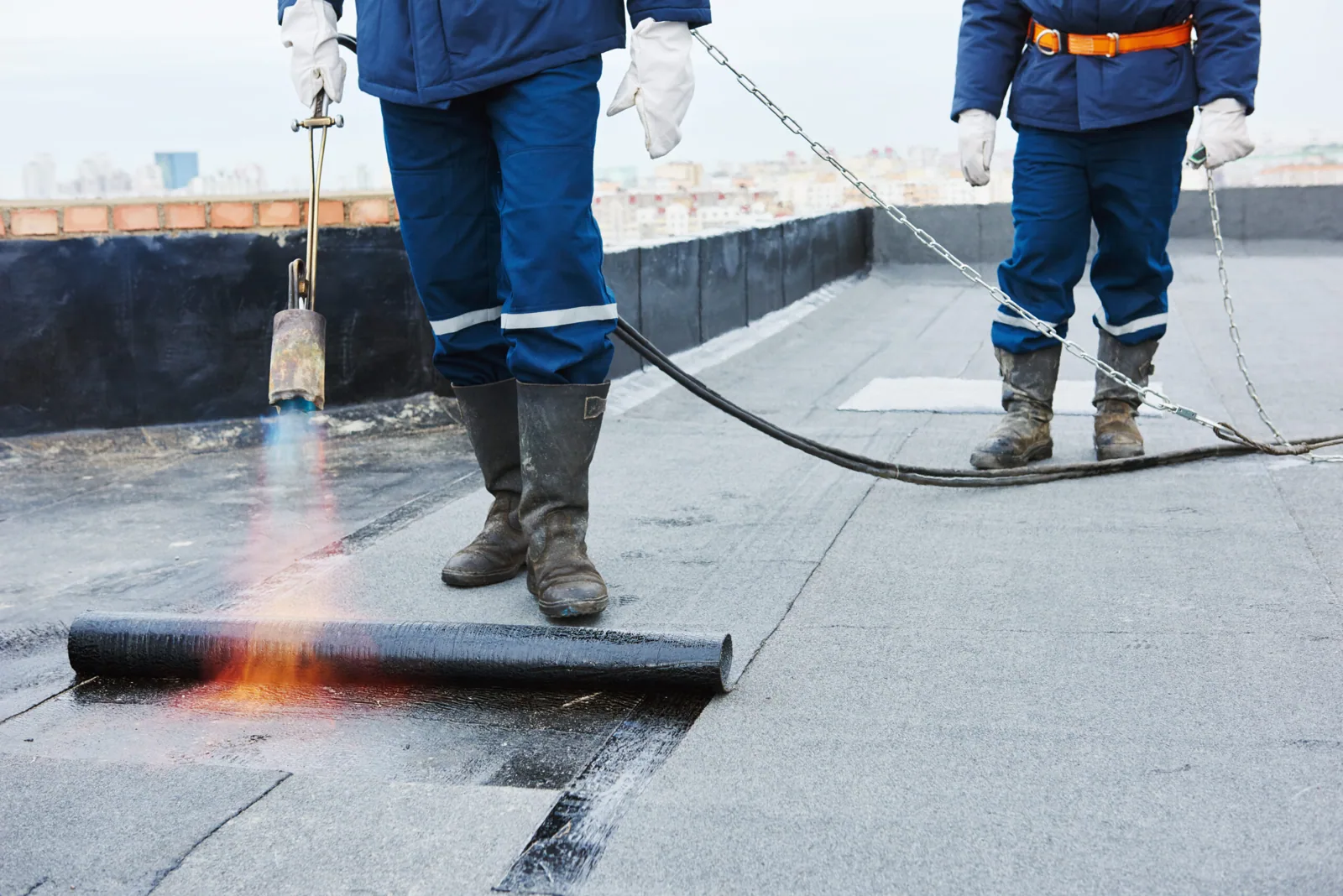
Aircraft Hangar Roofing in West Valley City, UT

Inspect hangar roofs in West Valley City for seam, door, equipment, and drainage failures, with access and dry-in limits planned around aircraft operations.

Set a hangar roof access plan

A drop at the edge of a wide hangar door can expose aircraft or equipment before the leak reaches a floor drain. We inspect the roof above the opening, trace nearby seams and curbs, and confirm the interior protection plan before the first cut. In West Valley City, UT, the northern SR-201 corridor supports trucking and distribution. Site access rules and the roof assembly set the sequence.

Hangar roofs can span large clear areas with few interior columns, but their details are concentrated at doors, equipment openings, skylights, drains, and perimeter transitions. A leak above one bay may travel before appearing below. We map the reported location to the roof, check attachment and insulation, and set a repair boundary that can be secured within the approved window. Testing determines whether the defect remains local or needs a wider removal limit.
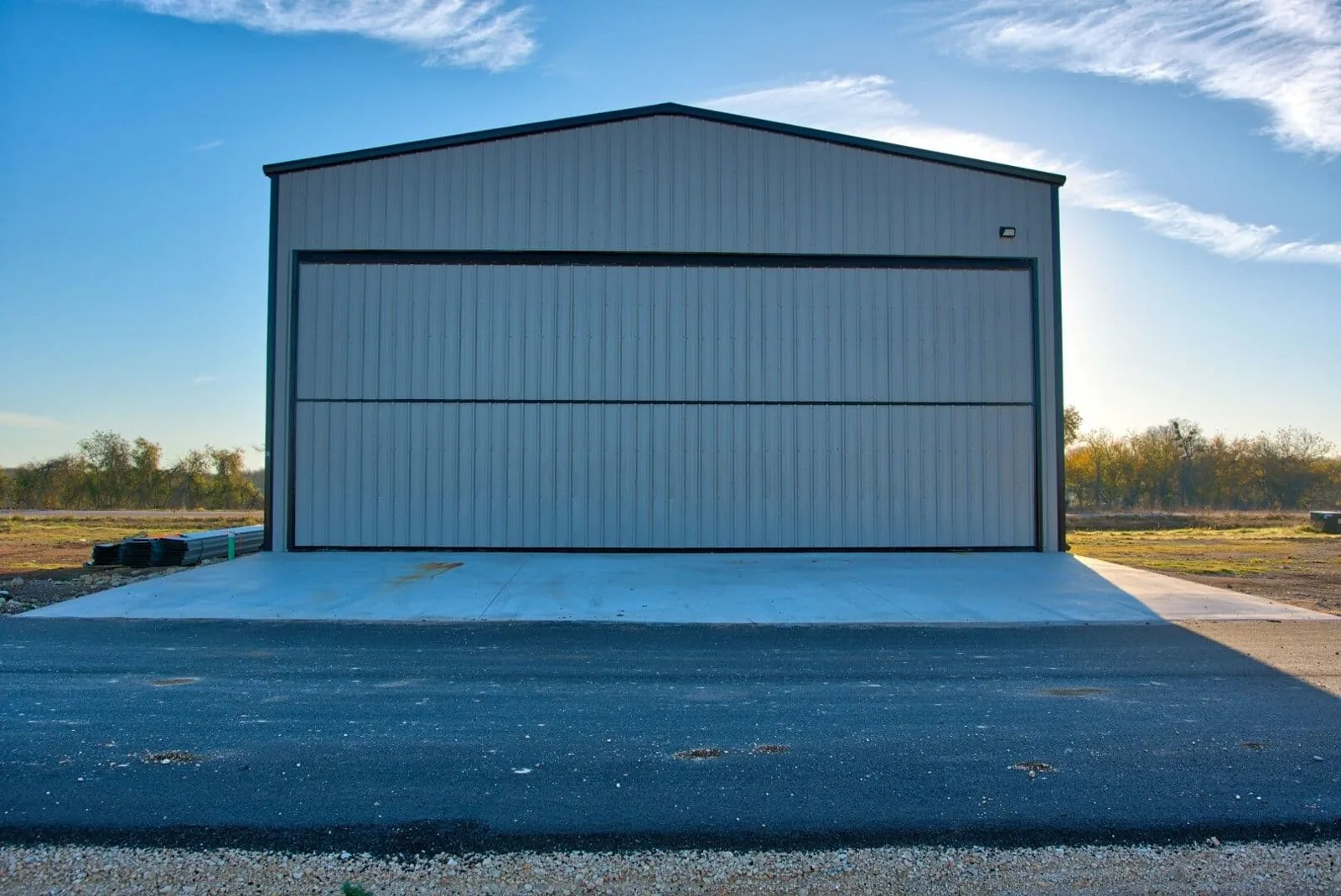
A large door opening leaves a long perimeter where roof, wall, and operating hardware meet. We inspect the head flashing, adjacent sheet metal, fasteners, and the roof membrane above the opening. Door movement can shake nearby trim, but we verify the connection instead of assuming vibration caused the leak. Water marks on the jamb or track help locate the path; the repair still needs confirmation at the exterior detail.

Door operation may need to stop while a lift or protection zone is in place. The operator confirms when the opening can be restricted and what clearance the aircraft needs. We keep tools, debris, and temporary materials clear of the door path. If the defect reaches the wall assembly, we identify that limit separately from membrane work. A roof edge and coping repair can address a failed metal transition when it is part of the confirmed water path.

Aircraft Hangar Roofing

Follow water across the roof span

Aircraft Hangar Roofing

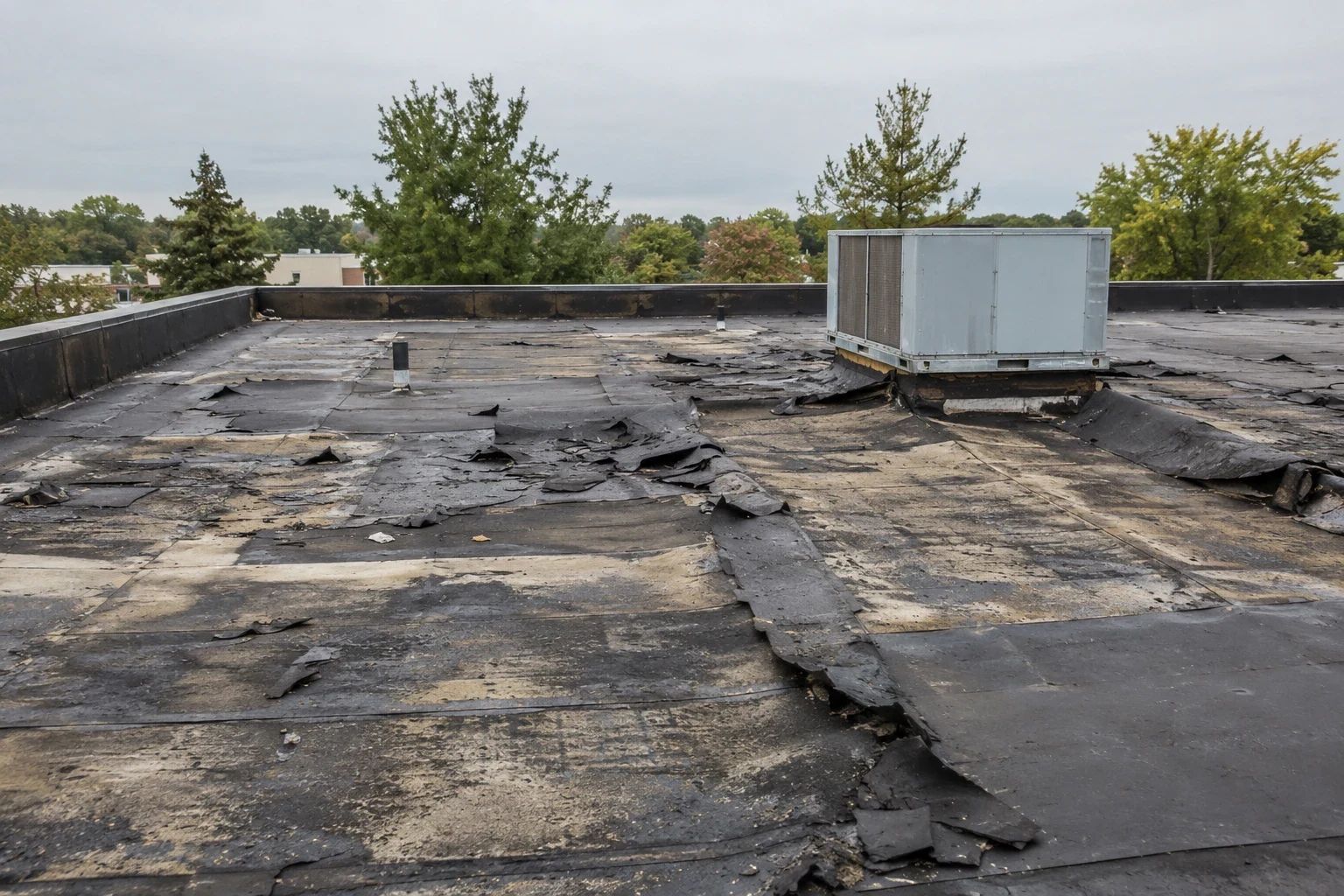
Water can travel along a deck or insulation layer before it appears at a low point. We inspect seams, valleys, drains, scuppers, and changes in slope along the reported path. A ponded area may reflect a blocked outlet, a depressed deck, or compressed insulation. We document what can be observed and choose test locations that will show whether the substrate is dry and firm. The repair line follows the material that can hold a new detail.

Snow can cover outlets and make access unsafe. At Salt Lake City International Airport, the January snowfall mean is twelve point seven inches; the annual normal is fifty-one point nine. Before reaching a hangar roof, we check footing, drain access, and the manufacturer's requirements. A drain and scupper repair can correct a confirmed outlet issue, while a snow and ice damage assessment can document a weather-related condition.

Check curbs and service penetrations

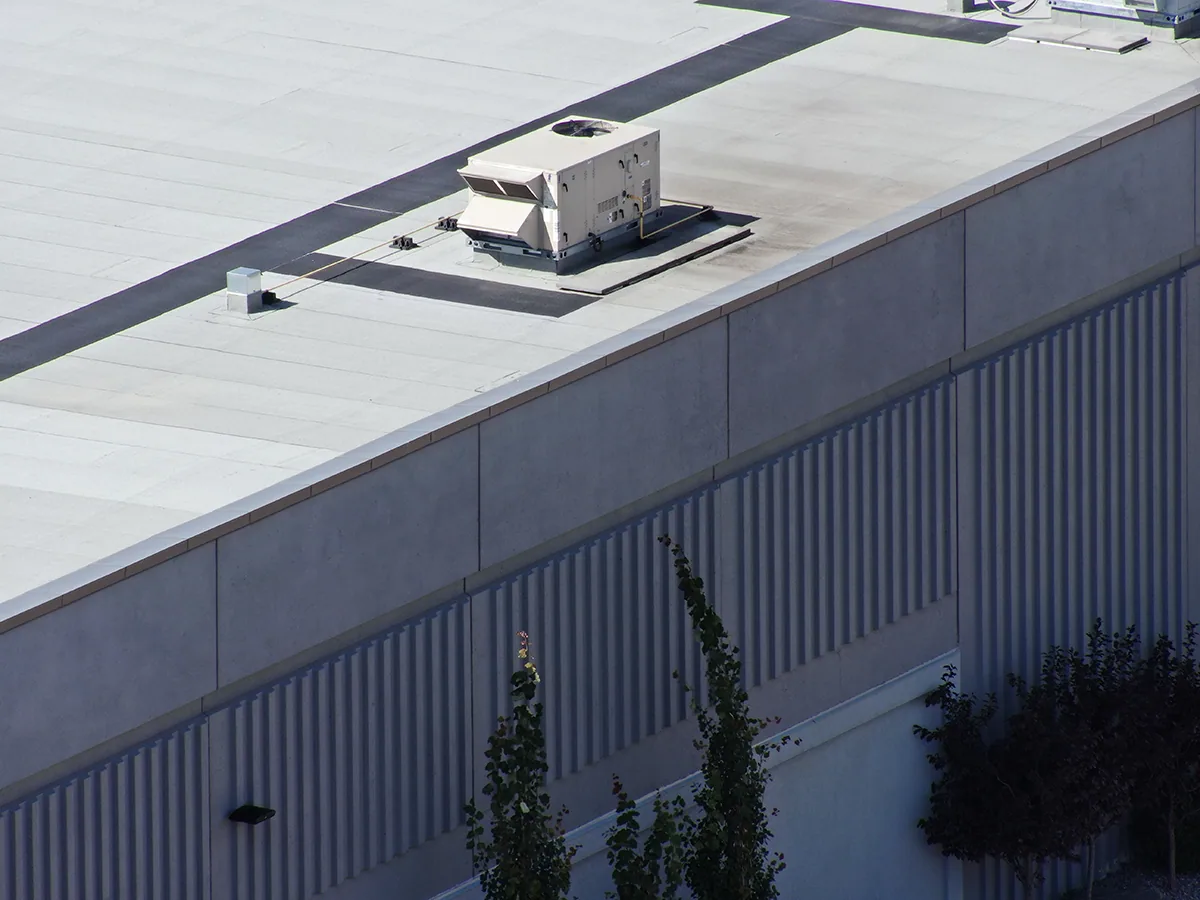
Roof-mounted units, exhausts, antennas, and lighting equipment interrupt the field membrane. We inspect curb height, flashing attachment, pitch pockets, and sealant where present. A later equipment change may leave a curb too low or a patch incompatible with the surrounding system. We compare drawings or service details when available, then verify the actual condition before removing material. The scope identifies which trade must disconnect or support equipment.

A hangar may need aircraft, vehicles, and maintenance carts kept outside the area below. The facility contact identifies a safe protection zone and approves any equipment shutdown. If a rooftop unit cannot be isolated, the work sequence changes before the membrane is cut. A curb and support repair can restore the roof transition, and a skylight or penetration flashing repair can address other openings after the assembly is identified.

Aircraft Hangar Roofing

Keep access rules in the work sequence

The Ogden Air Logistics Complex is headquartered at Hill Air Force Base and performs aircraft logistics, maintenance, distribution, and engineering work. The Air Force also describes depot-level repair and maintenance for multiple aircraft types at that complex. We obtain the specific hangar's site rules, escort needs, and access limits before scheduling a roof opening.

Near West Valley City's North SR-201 industrial corridor, truck routes and frontage access shape material arrival. The city plan also lists Bangerter Highway and I-215 as industrial-area access routes. We verify the delivery gate, turning space, crane setup, and route that must remain open. The daily plan records aircraft clearance, access authority, and conditions that close the work zone. A North SR-201 access review can frame local staging, while the facility confirms its hangar-specific requirements.

Choose patch, recover, or replacement from evidence

A patch may be appropriate when the membrane is attached, the substrate is dry, and damage stops at a sound seam or flashing. Several open laps, wet insulation, or widespread attachment loss can change the decision. We use test cuts to check layers and mark the confirmed removal boundary. A recover is considered only if the existing assembly, height at curbs, drainage, and attachment can support another roof layer.

Cost also reflects access equipment, protection under the work, disposal, and the amount of roof that can be opened per shift. A commercial roof replacement comparison should show tear-off and dry-in limits. Hangars with adjoining repair shops may share access needs with flex-industrial buildings; larger storage bays can also resemble warehouse roof sections. We price from the tested assembly and its actual operating constraints.

Leave the hangar team a useful roof record

Closeout photos should show the repaired seam, curb, door perimeter, and any test opening. We label each location by roof bay or drawing grid when the facility provides one. The record details material removed, the dry-in point, and areas left outside scope. If the leak report came from a particular aircraft bay, we include that location so staff can compare a later stain with the roof detail that was repaired.

Maintenance teams may coordinate aircraft work and building repairs through different contacts. We list the person who approved access and any shutdown needed for future inspection. That handoff helps the next crew avoid reopening the roof without knowing the previous boundary. We retain the agreed staging route and arrival limits with the record. The roof condition remains distinct from any assumptions about the aircraft operation.

Aircraft Hangar Roofing

Common questions

Can you repair the roof while an aircraft remains inside?

The facility contact sets the aircraft position, protection zone, and permitted work hours. We confirm whether a lift, debris control, or overhead work makes the bay unavailable. Each opening must fit a secure daily dry-in limit. If the aircraft cannot be moved or protected as required, we reschedule that section rather than work over it without approval.

How do you find a leak at a large hangar door?

We inspect the door head, adjacent wall, sheet metal, roof edge, and seams above the reported mark. Water may travel before it reaches the jamb or floor. We trace the likely path and test the assembly where hidden moisture could move the repair boundary. The work record identifies the confirmed entry point separately from symptoms below.

What access information do you need before mobilizing?

We need the approved gate, roof route, lift or crane location, escort rules, aircraft clearance, and any operating period that must stay open. The site contact also identifies equipment shutdowns and who can authorize a change. Those details establish whether the work can be staged and closed safely within the scheduled window.

Can a roof recover add another layer over an existing hangar roof?

Only when the existing assembly, attachment, moisture condition, drainage, and curb heights support it. We inspect and test representative areas before pricing another layer. Wet insulation, loose sheets, or details that become too low can require correction or tear-off instead. The proposal identifies which conditions were confirmed and which remain concealed.

What changes the cost of hangar roof work?

The damaged area, seam and curb count, access equipment, aircraft protection, and dry-in sequence all affect the scope. Removal may add substrate or insulation work if a test cut finds concealed damage. We list confirmed quantities and seek approval before extending into a new bay. The estimate shows how staging limits affect labor and timing.

Set a hangar roof access plan

ServicesRoof SystemsIndustriesProperty TypesService AreasDamage RepairCapabilitiesManufacturersContactAboutRequest a Roof Assessment555-555-5555
Call555-555-5555