Auto Dealership Roofing in West Valley City, UT

Inspect and repair dealership roofs in West Valley City with attention to showroom entries, service bays, customer access, drainage, and roof equipment.

Set a dealership roof access window

A wet ceiling tile above the showroom can distract customers while a separate leak reaches a service bay. We inspect the roof above each report, check drains and penetrations, and keep the repair boundary tied to the assembly. In West Valley City, UT, commercial transportation is a distinctive employment sector. Dealership work can have customer and vehicle routes to protect, so we settle equipment placement and access with the site contact before opening a roof area.

A dealership may join a glass-front showroom to service bays, offices, parts rooms, or a separate canopy. The roof transitions and operating needs can differ across those spaces. We locate the leak, check nearby seams and curbs, and test where hidden moisture could change removal. A contained repair may keep sales and service moving. Repeated failures or wet insulation can require a broader comparison, with each added quantity confirmed before pricing.
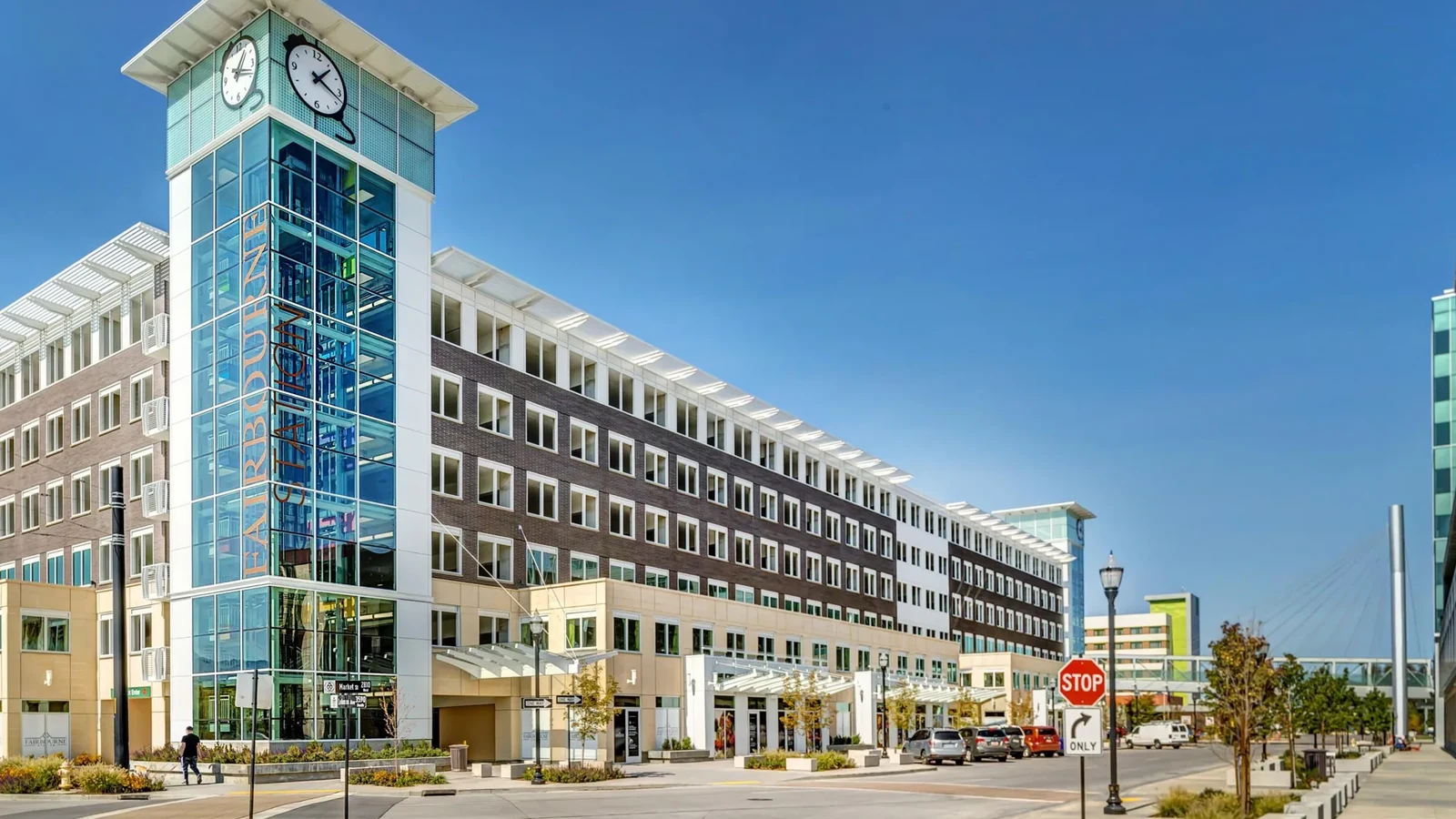
A lift parked across the front door can interrupt arrivals and block the view into a showroom. We walk the customer route, locate accessible parking and fire lanes, and identify where materials can be staged without crossing vehicle circulation. The manager confirms sale hours, delivery periods, and any entry that must remain open. We set barriers and the daily roof limit before equipment is moved into position.

Showroom work can require different protection from a service-bay repair. Glass, lighting, displays, and finished floors below the opening may need covers or temporary relocation. We coordinate that step with staff and avoid opening more area than the crew can secure by shift end. A phased occupied-building reroof can sequence roof sections around those customer-facing activities. If a canopy connects to the main roof, we inspect its transition as a separate detail rather than assuming the same leak path.

Auto Dealership Roofing

Check curbs and exhaust openings at the bays

Auto Dealership Roofing

Service bays often have roof penetrations for ventilation, exhaust, and mechanical equipment. We inspect the curb base, flashing height, fasteners, and membrane around each opening. Vibration or later equipment work can loosen details that looked secure when the roof was installed. If the curb shifts or the flashing has split, a patch to the field membrane alone will not close the path. We identify the component and the repair boundary.

Roof work over an active bay needs a confirmed shutdown or protection plan. The facility contact can identify lifts, vehicle movement, and equipment that cannot be interrupted. We keep debris and tools out of service paths and confirm when the bay can reopen. A curb and equipment support repair can address a failed mounting transition. For new sheet metal edges, we can scope coping and edge metal with the roof membrane rather than leave it as an undefined allowance.

Check heat exposure and outlet performance

Roof temperature changes how the crew handles membrane, adhesive, and exposed flashing. At the Salt Lake City International Airport station, normal daily maximums reach 94.0 degrees Fahrenheit in July and 91.7 in August; normal minimums fall below freezing in January and December. We check the actual surface before selecting a work window or applying materials.

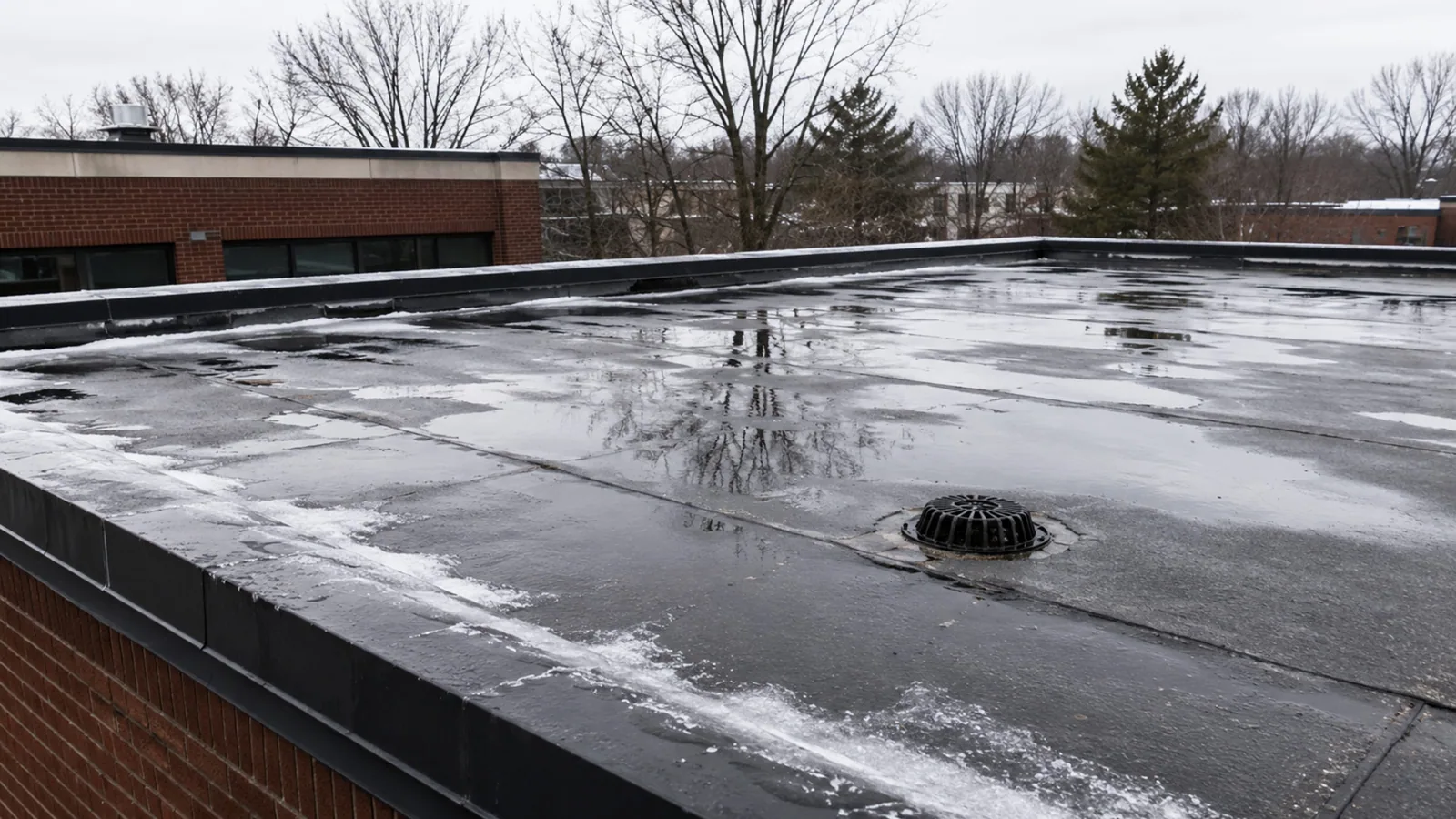
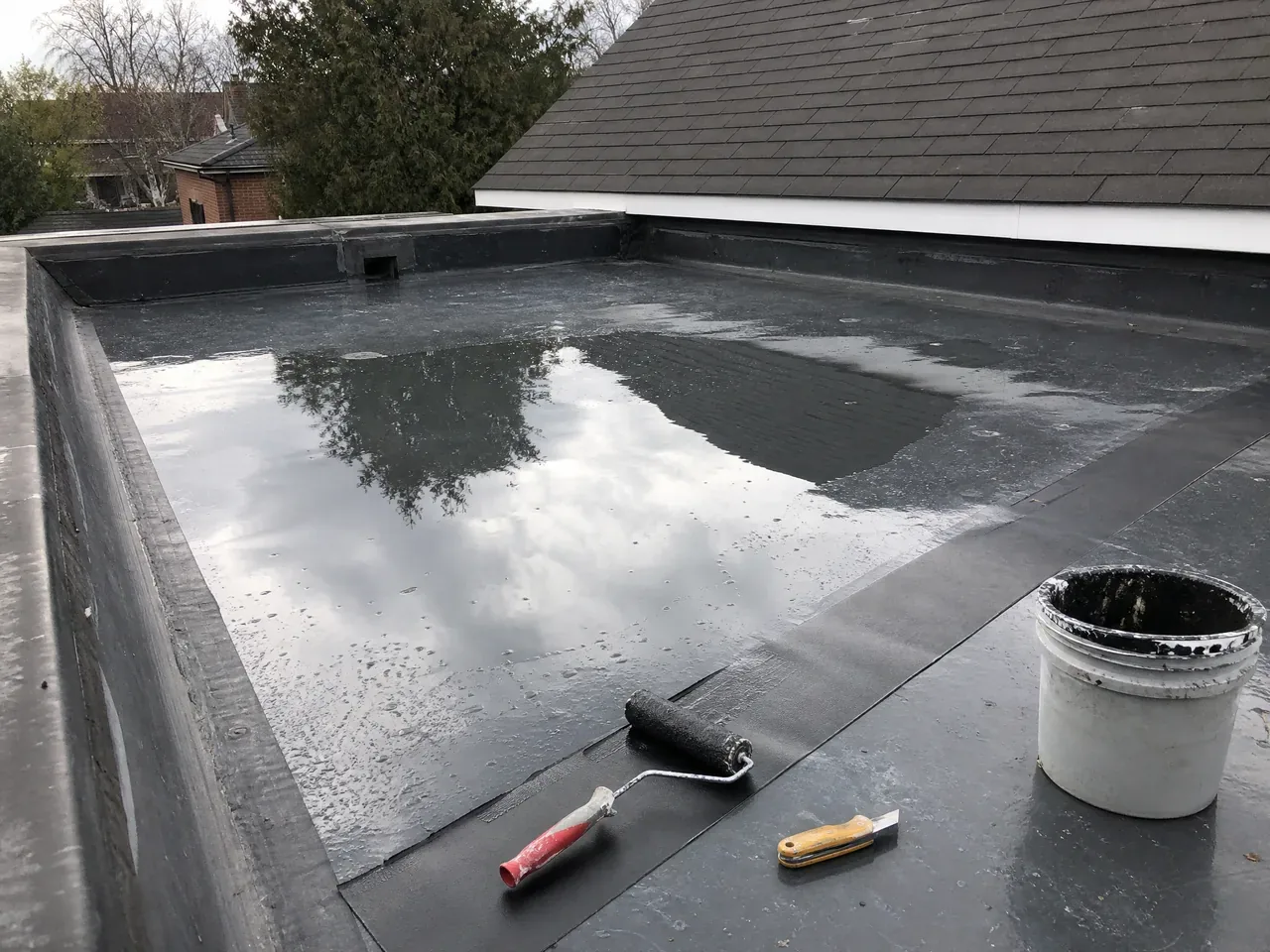
A drain bowl with leaves, grit, or loose flashing can send water toward offices or a service lane. We inspect the strainer, sump, scuppers, and visible slope, then note any low point that needs more than cleaning. A drain and scupper correction may be separate from membrane repair. If the roof material is a single-ply membrane, a TPO repair must use compatible preparation and detail materials at the confirmed failure.

Auto Dealership Roofing

Price the repair around confirmed limits

Repair cost reflects the leak count, curb and flashing details, access equipment, interior protection, and the area of material that must be removed. One failed curb differs from moisture extending across a service bay roof. We map visible findings and mark test locations before adding concealed work. The proposal separates known quantities, an approved allowance, and any section that remains untested.

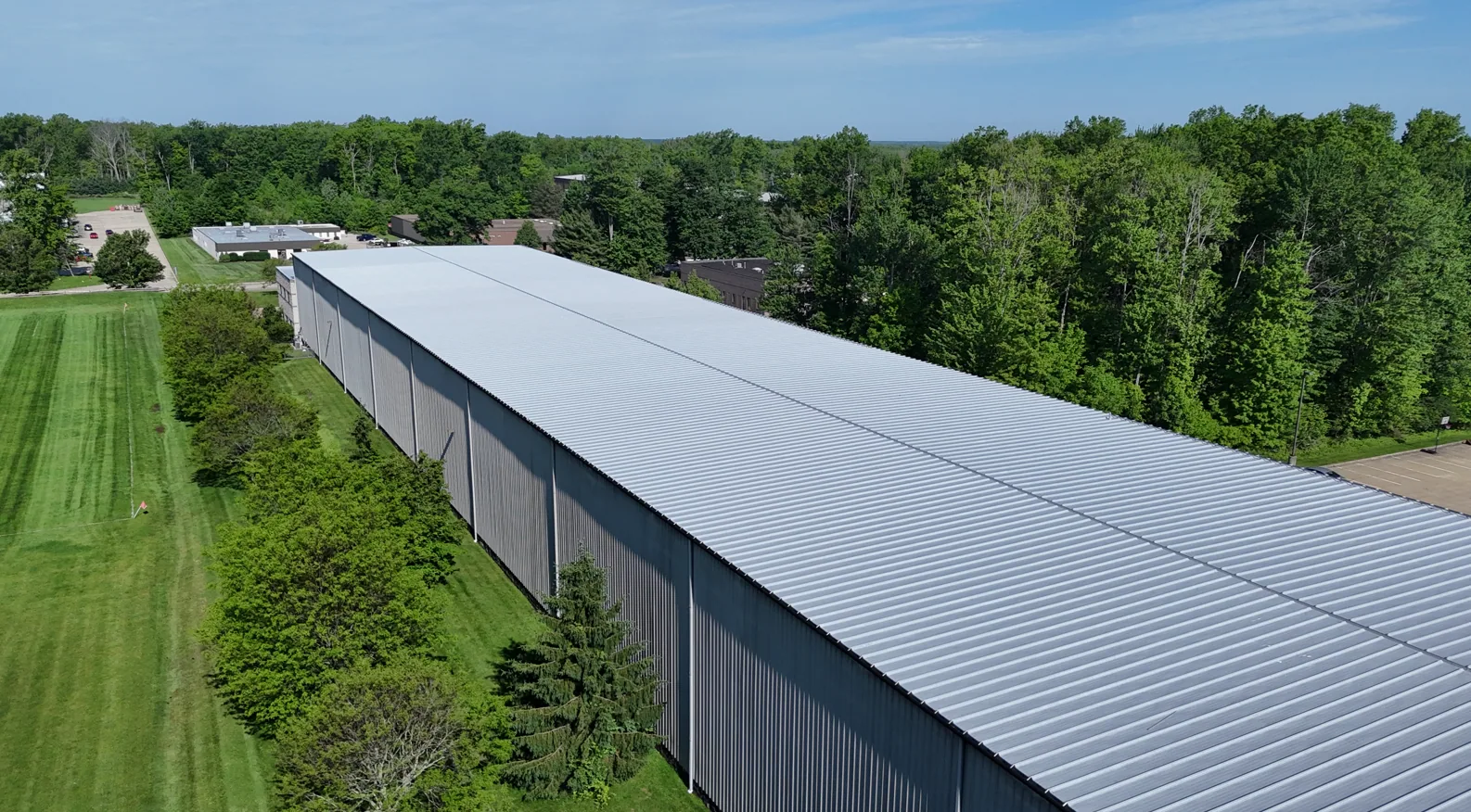
When repairs recur at several transitions, replacement may be more practical than returning to the same area. A commercial replacement comparison should identify the tear-off limit and the daily dry-in point. Dealership properties may include large service areas that need coordinated sequencing, while large-format retail roof work has its own public-access requirements. A flex-industrial roof can also combine office and work areas under one assembly. We price from the inspected assembly, not the building's business label.

Coordinate deliveries with the street approach

The Bangerter Highway corridor and 3500 South are major routes in West Valley City. A delivery or lift approach near either route can affect when equipment reaches a dealership entrance. We confirm the gate, turn path, curb restrictions, and space needed for unloading with the site contact. The route context informs the conversation, while the actual property layout sets the staging plan.

Commercial transportation supports activity in the city, and facilities can have vehicle movements throughout a workday. We separate customer parking from contractor staging and agree on the times when a drive aisle can be narrowed. If equipment is moved between a showroom and bay roof, each setup receives its own access check. The work plan includes a contact for day-of changes, so the roof crew can reset staging before customer or service traffic is affected.

Give the manager a repair map

Closeout photos identify the roof section, curb, drain, or seam that was repaired. We note the affected room or bay, the material installed, and any test opening or insulation replacement. Areas outside the authorization stay marked as exclusions. That record helps a manager compare a later water report with the completed detail and determine whether the problem returned at the same location.

A site near 3500 South may have separate customer and service entrances, so we preserve the agreed access notes with the work record. Since 3500 South is a major arterial, we still confirm the property's circulation with its building contact. A roof condition report can keep inspection findings and photos together for planning. We list the next check by roof section and identify what evidence would change the future scope.

Auto Dealership Roofing

Common questions

Can you repair the showroom roof without closing sales?

We plan lift placement, customer routes, and interior protection with the manager before opening the roof. Work can be divided by section when each area can be dried in safely. If an entrance, display, or ceiling needs temporary protection, staff approves that condition first. The daily schedule includes a closeout point before the next customer period.

What do you inspect above a service bay?

We check curbs, exhaust openings, penetrations, membrane seams, drains, and nearby flashing. Equipment vibration or access can affect a detail, so we review the base and attachment. The facility identifies any shutdown or vehicle restriction needed below. Findings are mapped to the bay and roof section before repair quantities are set.

Can the service department remain open during repairs?

We coordinate bay access, vehicle movement, equipment status, and overhead protection with the service manager. The roof section must fit a safe daily opening and dry-in limit. If a lift or debris path crosses an active bay, the sequence changes before work starts. Any shutdown is approved by dealership staff.

How do you handle a leak above a canopy or addition?

We inspect the transition between the canopy and the main roof, including flashing, laps, and the path water follows. A separate canopy defect may not require work on the adjoining field. We record the point where the repair can stop at sound material and test further only if hidden moisture could widen that boundary.

What moves a dealership repair into replacement?

Repeated leaks, wet insulation across several sections, loose attachment, or widespread deterioration can support replacement. We check representative areas and document what confirms that scope. The comparison shows tear-off quantities, daily dry-in, and access needs around sales and service operations. Concealed damage is not counted as known work until it is exposed.

Set a dealership roof access window

ServicesRoof SystemsIndustriesProperty TypesService AreasDamage RepairCapabilitiesManufacturersContactAboutRequest a Roof Assessment555-555-5555
Call555-555-5555