Fitness Center Roofing in West Valley City, UT

Repair fitness-center roofs in West Valley City around member schedules, mechanical openings, drainage, and protected entrances with a clear daily dry-in limit.

Plan roof work around member access

A drip above a workout room can reach flooring or electrical equipment before the manager sees a roof problem. We inspect the likely entry point, check seams, curbs, and drains, then define which part of the facility sits below the repair. In West Valley City, UT, major streets such as 3500 South and Redwood Road serve commercial activity. A fitness center near those routes may need delivery timing coordinated with member arrival, but the roof condition sets the repair plan.

Gyms and recreation buildings can include workout floors, locker rooms, offices, courts, and, in some facilities, aquatic areas. Each space can have a different access and protection need. We ask which hours are busiest and whether equipment below must stay covered or shut down. The roof inspection then determines whether the work is a seam repair, curb detail, drain correction, or larger replacement. We keep the daily opening within a dry-in limit the staff can manage.
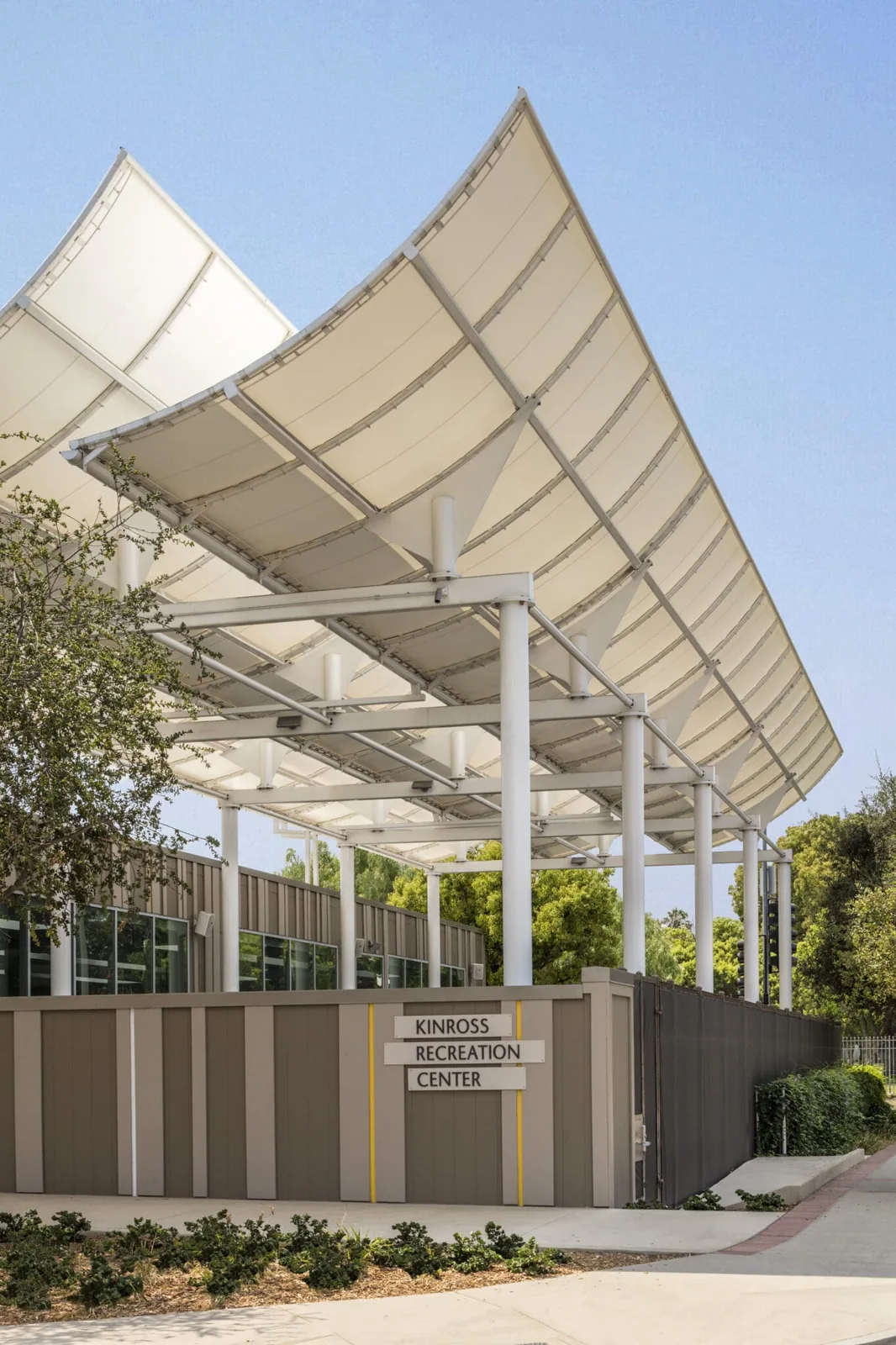
A lift placed across the front door can interrupt check-in, classes, and accessible entry. We walk the arrival route with the facility contact, mark fire access and drop-off space, and select a staging area that does not push members through a work zone. The manager identifies class schedules and any path that must remain available. Those details shape the setup before materials leave the truck.

Roof removal may create noise or falling-debris controls that affect spaces below. We schedule louder tasks around identified class periods where the weather and dry-in sequence allow it. If a room needs to close, facility staff approves the boundary and notice. A phased reroof for an occupied building can show which roof area is opened each day. A school roof schedule can have similar public-route controls, though this facility's member hours remain the deciding factor.

Fitness Center Roofing

Inspect rooftop units above active rooms

Fitness Center Roofing

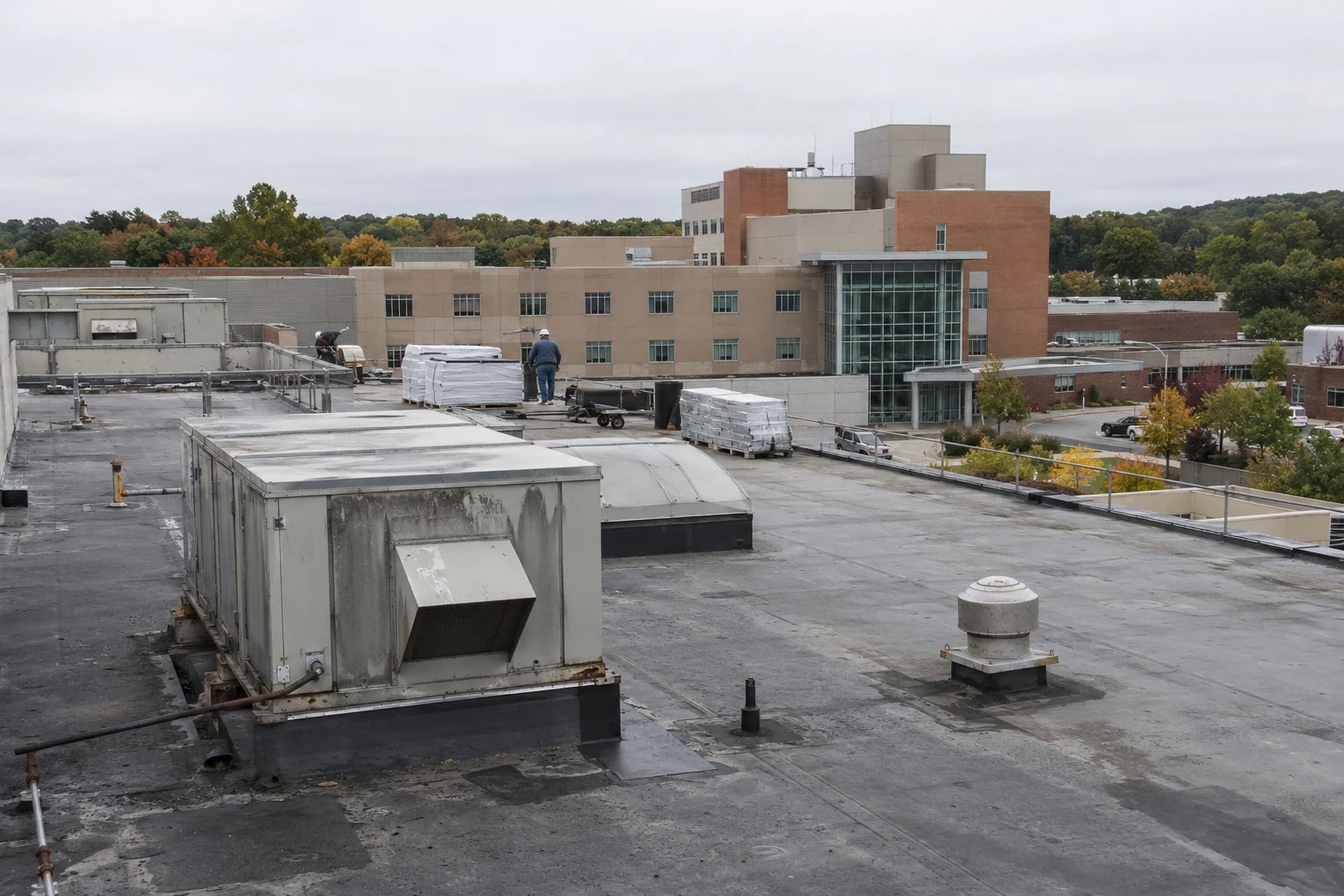
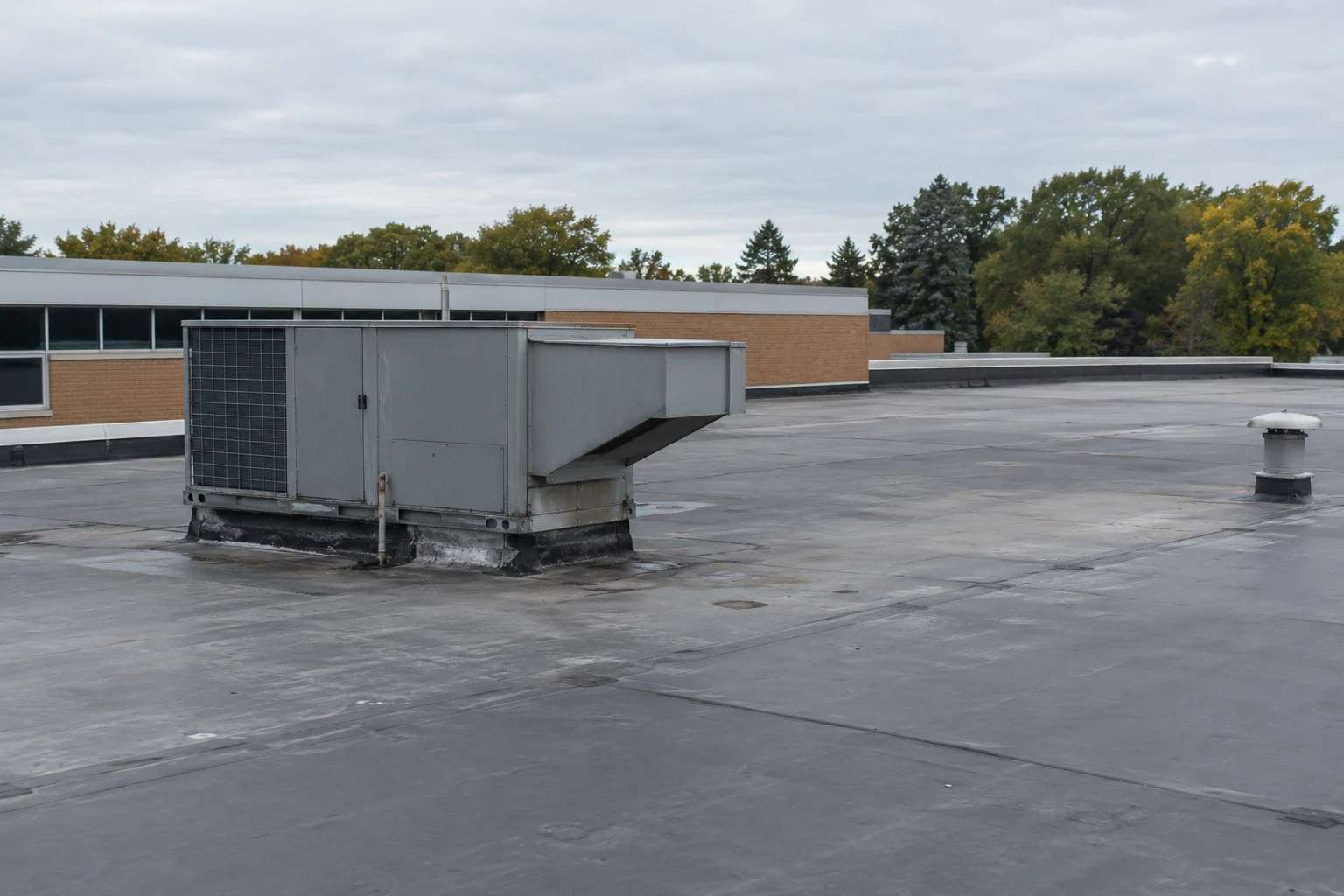
Ventilation and mechanical equipment can concentrate roof openings above workout floors, locker rooms, or studios. We inspect the curb base, flashing height, fasteners, and the membrane around each unit. If the equipment is replaced or serviced, the roof detail may have shifted or been patched with incompatible materials. We identify who controls the unit and whether shutdown is needed before the crew removes material nearby.

Where an aquatic room is present, interior humidity and any roof penetrations need closer review, but we confirm the facility's actual layout before assuming those conditions. We look for air leakage or visible condensation at transitions and compare them with signs of water entering from above. A curb and equipment support repair can address the roof side of a failed mount. A flashing repair at a skylight or penetration can close another confirmed opening.

Check the drain and the ceiling below it

A ceiling spot at a corner of the gym may sit below a drain or seam several feet away. We inspect the roof path, bowl, scupper, sump, and adjacent flashing before cutting the membrane. Water that remains after clearing debris can indicate a low area or a settled substrate. The report identifies whether the fix is cleaning, detail work, or a change to drainage rather than leaving that distinction inside one price.

The airport station’s July normal daily high reaches 94.0°F, with August at 91.7°F. Normal lows in January and December stay below freezing. We use the airport station normals to frame the season, then measure roof and material conditions before repair. A drain and scupper service can address an outlet, while a silicone coating review may fit only after adhesion, moisture, and compatibility are checked.

Fitness Center Roofing

Set a repair boundary before pricing a replacement

A local patch can hold when the surrounding membrane is bonded and the insulation is dry. Repeated seam openings, several wet areas, or failing attachment can justify a broader comparison. We use test cuts when they can answer whether moisture runs beyond the visible damage. Each opening is mapped, photographed, and closed with compatible materials. The owner can see how the confirmed boundary changed the recommended option.

Cost depends on the size of each repair, curb details, access equipment, interior protection, and how much roof can be opened in one shift. A commercial roof replacement estimate should include tear-off, disposal, and daily dry-in limits. Recreation buildings with public programming may share entry needs with shopping-center roof work, while a gym in a mixed-use building may need coordination with other operations. We price the observed assembly and access conditions.

Sequence work around class changes

Class start and end times can create short bursts of traffic at the lobby, parking area, and changing rooms. We identify the quieter windows, where equipment can be staged, and what member paths need protection. The roof crew works in zones small enough to close safely before the facility's next high-traffic period. If weather shortens the shift, we secure the open edge before moving to another area.

West Valley City identifies 3500 South and Redwood Road as major arterials, and both can influence the approach to a nearby job. We confirm the property's gate, delivery turn, and lift position with staff rather than assuming the street determines access. For a site near the Redwood Road corridor, the work plan records arrival and staging limits. The manager has a contact for any day-of change that could affect an entrance or class schedule.

Record what members and staff should watch

Closeout photos show the completed seam, curb, drain, and any repaired interior ceiling location. We identify the roof zone, materials used, and the line between confirmed work and exclusions. If a test cut exposed wet insulation, the record notes the removed area and what remains concealed. Facility staff receives a clear file for the next leak report or maintenance walk.

Near Fairbourne Station, the city plans a mix of civic, retail, office, hotel, and multifamily uses. That district context can affect delivery routes and shared pedestrian access, while the fitness center controls its member schedule. We retain the approved staging and entrance notes with the repair record. A visit near Fairbourne Station can be timed around those site limits. Follow-up focuses on the repaired detail, drain, or area that testing left open.

Fitness Center Roofing

Common questions

Can the gym stay open while roof work is underway?

We plan around member paths, class periods, equipment shutdowns, and a safe daily dry-in limit. A work zone may require a short room closure or a redirected entrance, which the facility approves. If weather prevents secure closeout, we do not open another section. The schedule is set with staff before equipment arrives.

How do you protect workout equipment below a leak?

We locate the roof section above the affected equipment and coordinate a cover, move, or temporary closure with the manager. The roof detail is inspected before removal so the opening can stay controlled. If a test cut finds more wet material, we photograph it and confirm the new boundary before extending overhead work.

What should you inspect around gym ventilation units?

We check the curb, flashing, fasteners, and membrane, then ask whether a service change or shutdown affects the unit. The opening can fail separately from the field. If the building has an aquatic room, we also inspect the reported transition for signs of interior moisture. The scope follows conditions found at this property.

Can roof work happen between fitness classes?

The facility can identify quieter windows, and we can group noisy removal where weather and dry-in limits permit. Lift placement and material delivery may need a separate window from roof application. The daily sequence names when a room or entrance is affected and when it can return to normal use.

What makes a repair more expensive than expected?

Additional curb work, access restrictions, interior protection, wet insulation, or damaged substrate can add scope. We identify test points before starting and measure any confirmed removal. The proposal keeps those possible conditions separate until exposed. A broader comparison is provided if repeated failures or moisture cross the first repair boundary.

Plan roof work around member access

ServicesRoof SystemsIndustriesProperty TypesService AreasDamage RepairCapabilitiesManufacturersContactAboutRequest a Roof Assessment555-555-5555
Call555-555-5555